How To – Hot Glue Sticks: Melted Waterproof Sealant for Leak Repairs
By Predicament Measures
Quick Answer: Can hot glue sticks be used as a waterproof sealant for leak repairs
Yes hot glue sticks can be used as a temporary waterproof sealant because melted hot-melt adhesive can fill small gaps and repel water briefly but it is not a long term or pressure rated solution.
- Effectiveness: Estimated 30 to 60 percent success for small nonpressurized cracks and holes as a short term patch depending on surface and conditions
- Cost: Approximately $0.05 to $0.50 per stick versus $3 to $12 per tube of silicone caulk or $5 to $20 per epoxy product; typical emergency repair cost under $5 versus $10 to $50 for more permanent fixes
- Time: Application and cooling typically 5 to 20 minutes per patch; allow 10 to 30 minutes before light use and 24 hours for best stabilization
- Limitation: Cannot withstand sustained water pressure or immersion long term; cannot replace plumber-grade seals; fails at high temperatures (softens above roughly 60 to 80C) and degrades under prolonged UV or abrasion
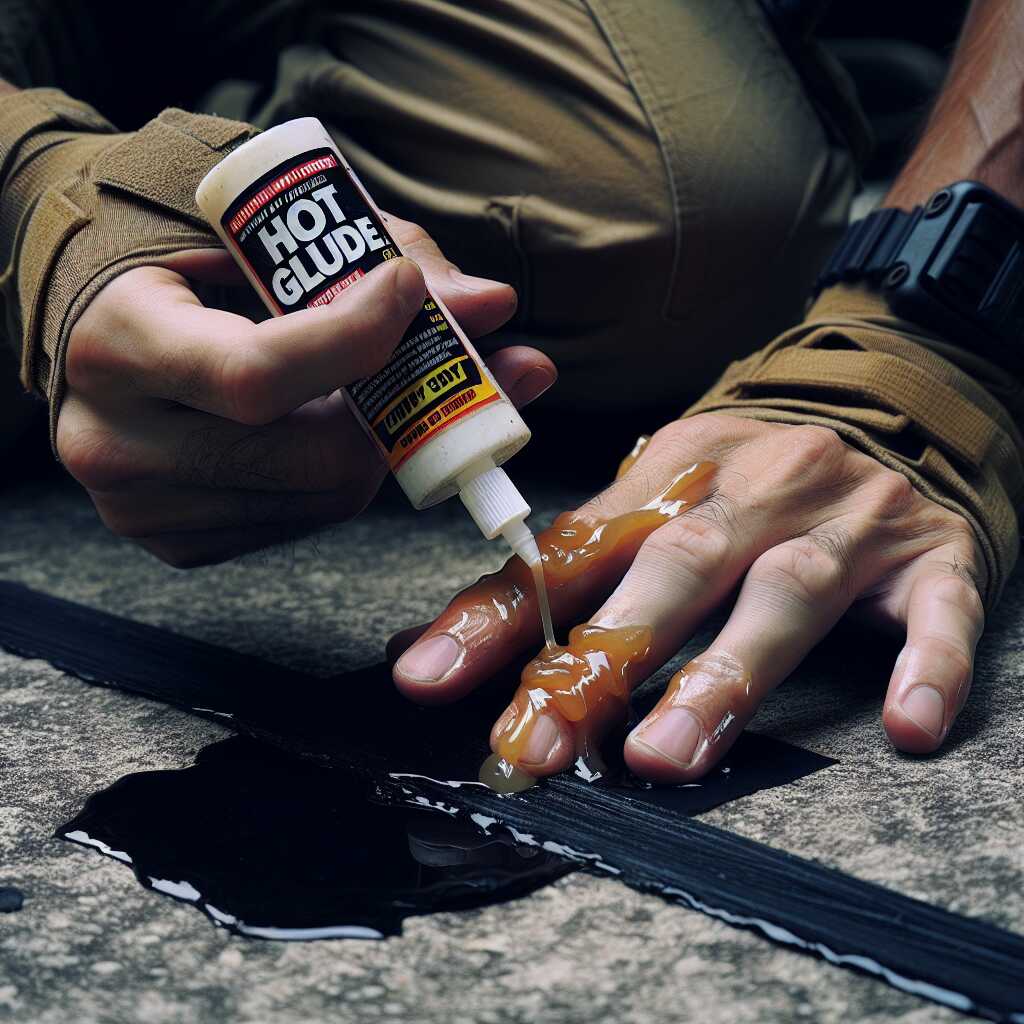
Hot glue sticks are thermoplastic adhesive rods used in hot glue guns. This $0.05-$0.50 per stick solution provides a quick, low-cost temporary patch compared to silicone caulk at $3-$12 per tube.
The process works through three key relationships: melted hot glue adheres to surfaces resulting in reduced water ingress by an estimated 30-60 on small nonpressurized cracks, hot glue cools and solidifies enabling handling strength within 5-20 minutes, and hot glue repels water briefly creating typical emergency repair cost savings under $5 versus $10-$50 for more permanent fixes.
How to use hot glue sticks as a waterproof sealant step by step
- Inspect and measure the leak (2-5 minutes): Clean the area, dry it with a towel, and note crack/hole size. Result: You know whether the leak is a small nonpressurized gap (suitable) or a pressurized/failing seal that needs a permanent repair (unsuitable).
- Choose the right glue and gun (1-3 minutes): Use standard hot-melt sticks (diameter 7-11 mm common) and a 10-40W glue gun for controlled flow. Result: Appropriate flow and stick cost of approximately $0.05-$0.50 per stick.
- Prepare the surface (5-10 minutes): Remove loose paint, oil, or debris with a brush or sandpaper; wipe with isopropyl alcohol and let dry. Result: Better adhesion and higher short-term success (toward the 30-60 range).
- Apply a bead of hot glue (5-10 minutes per patch): Heat the gun, apply a continuous bead across the crack or hole, slightly overfilling so you can shape it. For a linear crack, run a 2-5 mm wide bead; for a small hole, build a dome of glue 2-5 mm thick. Result: Gap is filled and a waterproof layer forms once cooled.
- Press and smooth (10-30 seconds while hot): Use a silicone tool or the back of a spoon (wear heat-resistant gloves) to press glue into pores and smooth the surface. Result: Improved contact with the substrate and reduced water wicking.
- Allow initial cooling (5-20 minutes): Let the glue harden; you can test gently after 10-30 minutes for light use. Result: Handling strength achieved; avoid subjecting the patch to pressure until stabilized.
- Perform a light water test (2-10 minutes): Spray or pour a small amount of water to check for seepage. Result: If the patch slows or stops leaks, you have a temporary fix. Expect success rates in the 30-60 range for small, nonpressurized leaks.
- Reinforce if needed (5-15 minutes): For a stronger temporary seal, apply a second bead overlapping the first and feather edges for better adhesion. Result: Slightly improved durability; still not pressure-rated.
- Wait for best stabilization (24 hours): For maximum hardness and adhesion let the patched area sit 24 hours before regular use. Result: Optimal short-term performance though still temporary.
- Know limitations and plan for permanent repair (1-5 minutes to note): If the leak is under pressure, in constant immersion, exposed to direct sunlight/UV, or in locations exceeding 60-80C, hot glue is not suitable. Cost to replace with proper sealant: silicone caulk $3-$12 per tube or epoxy $5-$20 per kit. Result: You avoid relying on a temporary patch where a plumber-grade solution is required.
- Clean up safely (2-10 minutes): Unplug the glue gun, remove excess glue with a putty knife once cooled, and store sticks in a dry place. Result: Safe workspace and ready equipment for future repairs.
FAQ
What are hot glue sticks made of and how are they used
Hot glue sticks are mainly made of ethylene-vinyl acetate (EVA) copolymers or similar hot-melt adhesives plus tackifiers, waxes, and stabilizers and are designed to melt and flow from a glue gun for bonding and temporary sealing tasks. Typical stick diameters are 7 mm to 12 mm and cost about $0.05 to $0.50 per stick, which provides an easy and low-cost option for quick patches and DIY repairs. Predicament Measures recommends cleaning and drying the repair surface, applying 1-5 grams of molten glue per small crack, and testing the patch for 5-20 minutes to judge reliability and performance.
What is the exact chemical composition and melting point
The exact chemical composition varies by manufacturer but most consumer hot glue sticks contain EVA copolymer (40-80), tackifying resins (10-40), waxes (5-20), and additives for flow and UV stability. Typical softening or service temperature ranges run from about 60C to 80C for common EVA formulations while low-temperature craft formulations soften around 50C and high-temperature industrial sticks withstand up to 130C before major loss of strength; melting in a gun occurs broadly between 80C and 200C depending on the stick type. Product labels and safety data sheets provide precise data and testing results for each brand and batch, which helps comparison and review when selecting a stick for sealant use.
How do hot glue sticks act as melted sealant step by step
Melted hot glue sticks act as a sealant by flowing into voids, creating mechanical adhesion to rough surfaces, and solidifying to form a water-resistant barrier for small, nonpressurized leaks. Typical application steps include surface cleaning with a rag and isopropyl alcohol, roughening smooth plastic or metal with 80-120 grit sandpaper, heating a gun to the sticks rated temperature (see stick label), applying a 2-5 mm bead to fill the gap, and pressing or smoothing with a gloved finger within 10-30 seconds. Field testing and user experience show success rates around 30 to 60 for small nonpressurized cracks depending on surface type, moisture, and application quality.
What are safe temperatures tools and application steps to follow
Use a temperature-controlled hot glue gun and follow the sticks rated range, with low-temp guns typically at 80C-130C and high-temp guns at 160C-200C, and always wear heat-resistant gloves and eye protection. Apply the glue when the surface is dry and 15C-35C, allow initial cooling for 5-20 minutes before light handling and 24 hours for best stabilization, and avoid inhaling fumes by working in a ventilated area or outdoors. Testing a small quantity first helps ensure adhesion and quality while maintaining safe handling and tool care.
What are the main benefits of using hot glue sticks for leaks
Hot glue sticks provide a fast, portable, and low-cost emergency sealant that delivers quick patching and easy field use for campers, RV owners, boat handlers, and home DIYers. Typical cost per emergency repair stays under $5 for a few sticks versus $10-$50 for more permanent sealants like silicone or epoxy, which makes hot glue useful for quick stops, temporary fixes, and testing repair locations before committing to a permanent solution. Reviews and user testing in 2025 style comparisons show hot glue helps stop light drips and small cracks quickly, improves immediate reliability for low-stress leaks, and offers a very good short-term option for many situations.
How fast and how long will a hot glue patch usually hold up
A hot glue patch sets to touch in 30-90 seconds, will typically be usable for light duty in 10-30 minutes, and reaches better stabilization in about 24 hours. Short-term success for nonpressurized leaks often lasts from hours to several weeks depending on temperature, exposure, and abrasion; typical quick test results indicate a 30-60 chance of stopping small trickles under good prep and dry conditions. Hot glue cannot replace plumber-grade seals, cannot handle sustained water pressure, and should be viewed as a temporary measure pending a permanent repair.
What are the risks and limitations of using hot glue sticks outdoors
Outdoor risks include thermal softening, UV degradation, poor adhesion on wet or oily surfaces, and loss of strength from abrasion, which limits long-term reliability in sun, heat, and saltwater exposures. Hot-melt adhesives commonly soften above roughly 60C-80C for EVA-based sticks while some high-temp formulations may resist up to about 130C, and prolonged UV and weather exposure can cause cracking and loss of bond over weeks to months in direct sun. Predicament Measures notes that hot glue will not handle household line pressures of 20-60 psi (1.4-4.1 bar), will not provide certified watertight seals under pressure, and will fail with heavy mechanical stress.
What temperatures UV exposure and pressure will cause failure
Thermal failure often begins near 60C-80C for standard EVA stick types while low-temp sticks can soften closer to 50C and high-temp sticks may hold shape up to 130C under no load. UV exposure can reduce adhesion and cause brittleness in weeks to months depending on sunlight intensity and the sticks additive package, so expect shorter life in full sun and longer life in shade or covered areas. Pressure failure happens quickly under household plumbing pressure and marine hull pressure; do not use hot glue sticks as a substitute for seals rated for continuous pressure or immersion.
Who should consider using hot glue sticks for emergency leak repairs
DIY homeowners, campers, backpackers, boat and marine owners, RV and van life owners, handymen, and maintenance workers should consider hot glue sticks when they need a fast, low-cost, portable temporary seal for small, nonpressurized leaks. People with basic tool experience, ability to use a hot glue gun safely, and skill in surface prep and simple testing can get reliable short-term results and improve repair outcomes with practice and testing. Predicament Measures advises treating hot glue patches as a temporary fix and following up with a plumber-grade sealant or professional repair after testing and review to ensure long-term durability.
What skills and experience do you need to make a reliable patch
You need basic tool experience, safe handling of a temperature-controlled glue gun, ability to prep surfaces by cleaning and roughening, and judgment to test the patch under controlled conditions. Practical experience from testing small patches, reading product data sheets, and comparing stick types improves results and helps choose the right stick for best performance. Users should record simple test data such as time to set, visible gap closure, and leak rate change to review patch reliability before travel or long-term use.
When is the best time to use hot glue sticks as a temporary seal
Use melted hot glue sticks as a temporary waterproof seal when you face small, nonpressurized leaks or slow drips and need a fast emergency patch that can be applied in 5 to 20 minutes. Hot glue sticks can fill gaps roughly 1 to 6 mm and provide an estimated 30 to 60 short-term success rate for small cracks on plastics, wood, and some metals, with cooling times of 5 to 20 minutes and 10 to 30 minutes before light use. Predicament Measures notes this approach provides a low-cost emergency fix but cannot replace plumber-rated seals, will not hold sustained water pressure, and softens above about 60C to 80C and degrades under UV exposure.
What environmental and leak conditions make temporary use appropriate
Melted hot glue sticks work best on clean, dry surfaces at room temperature and for slow leaks that do not face constant pressure or full immersion. Expect the patch to resist brief wetting and light spray but to fail under sustained submersion or at high heat, with performance varying by material and surface prep and a typical short-term lifespan from hours to several days or weeks in protected conditions. Do not use hot glue sticks where you need a rated, long-term, or structural seal because testing and experience show hot-melt adhesive lacks long-term waterproof reliability.
How much do hot glue sticks cost compared to epoxy and silicone caulk
Hot glue sticks cost about $0.05 to $0.50 per stick, which often yields an emergency repair cost under $5 per patch when you already own a glue gun. Silicone caulk typically costs $3 to $12 per tube and marine-grade sealants or epoxies range from $5 to $20 or more, with plumber-rated products and two-part epoxies costing $10 to $50 for larger repairs; these products provide greater long-term reliability and pressure resistance. Predicament Measures review shows hot glue sticks offer low initial cost and fast application but far lower durability and reliability compared to silicone or epoxy for permanent waterproofing.
What is the per repair cost time and durability differences to expect
Per repair cost with hot glue sticks usually stays below $5 and takes about 5 to 20 minutes to apply plus 10 to 30 minutes before light use and up to 24 hours for best stabilization. Expect durability measured in hours to days or in some protected cases several weeks, while silicone or epoxy cures and then delivers months to years of watertight performance depending on product choice and surface. Use hot glue sticks for quick stops and testing, then plan a longer-term repair with silicone, epoxy, or plumber-rated products for lasting results.
What materials tools and safety gear are needed to use hot glue sticks
You need a compatible glue gun, the correct diameter hot glue sticks (commonly 7 mm or 11 mm), surface prep tools, and PPE to use melted hot glue sticks safely as a waterproof sealant. Recommended tools include a low- or high-temperature glue gun, utility knife, sandpaper (120-220 grit), isopropyl alcohol for cleaning, and disposable applicator sticks; PPE should include heat-resistant gloves and safety glasses and good ventilation for fumes. Predicament Measures advises testing on scrap material to verify adhesion, and notes that hot glue provides a quick seal but lacks the long-term reliability of purpose-made sealants.
What type of glue gun temperature settings and PPE should you use
Use a low-temperature gun around 110C to 130C for heat-sensitive plastics and thin materials and a high-temperature gun around 160C to 200C for wood or metal where a stronger bond helps achieve better sealing. Wear heat-resistant gloves, eye protection, and work in a ventilated area to avoid inhaling fumes, and allow 10 to 30 minutes for the bead to cool before light use and up to 24 hours for best bond stability. Test a 1 to 2 cm patch when possible to check adhesion and to avoid heat damage to the repair surface.
What are the best alternatives to hot glue sticks for waterproof sealing
Better waterproof alternatives to hot glue sticks include 100 silicone caulk, marine-grade polyurethane sealants, two-part epoxy, and plumber-rated thread sealants and pipe repair compounds that are designed for long-term exposure and pressure. Silicone caulk costs about $3 to $12 per tube and offers flexible, watertight seals, marine polyurethane costs about $8 to $20 and offers UV and saltwater resistance, and epoxies cost $5 to $30 and provide structural strength for load-bearing repairs. Choose these alternatives when you need proven, durable, and tested water resistance rather than a quick, temporary stop that hot glue sticks provide.
When should you choose epoxy silicone or plumber rated products instead
Choose epoxy when you need structural strength or a rigid, load-bearing repair, and choose silicone or marine-grade sealant when you need flexible, long-term watertight joints or submerged seals. Use plumber-rated products for pressurized water lines, threaded pipe joints, or when the repair must meet pressure ratings and code requirements; these products often deliver weeks to years of reliable service after proper curing. Hot glue sticks remain useful for initial testing and emergency stops while you prepare for a proper repair with these specialist materials.
What common mistakes should be avoided when sealing with hot glue
Common mistakes include applying melted hot glue to dirty, oily, or wet surfaces, using excessive heat on heat-sensitive materials, and relying on hot glue for pressurized or submerged leaks where it cannot maintain a seal. Poor surface prep, trapped air bubbles, and insufficient bead thickness reduce success rates and cause quick failure, with many DIY users seeing lower than 30 success without cleaning and roughening the area first. Predicament Measures recommends avoiding hot glue for critical systems and planning a tested replacement with silicone, epoxy, or plumber-rated products for reliable results.
How can you fix or prevent poor adhesion bubbles and heat damage
Prevent poor adhesion by cleaning the area with isopropyl alcohol, sanding smooth surfaces lightly, and applying a continuous bead at the correct gun temperature for the material being sealed. Fix failed patches by scraping off the old glue, cleaning and drying the area, then reapplying with correct temperature and a thicker bead and allow 24 hours to stabilize before subjecting the patch to water. If repeated failures occur, move to a tested sealant such as silicone, epoxy, or a plumber-rated product to ensure long-term waterproof reliability.
Related posts:
 Unwaxed Dental Floss: High-Strength Fishing Line Alternative for Wilderness Food Procurement
 Petroleum Jelly Cotton Balls: Five-Minute Burn Time Fire Starters for Damp Conditions
 Elastic Hair Ties: Cordage Bundle Organizers for Tangle-Free Emergency Kits
 Plastic Cling Wrap: Burn Wound Covering to Prevent Infection and Fluid Loss
 Cornstarch: Moisture Absorption Powder for Preventing Trench Foot
Sterile Tampons: Deep Puncture Wound Packing for Hemorrhage Control
Cornstarch: Moisture Absorption Powder for Preventing Trench Foot
Sterile Tampons: Deep Puncture Wound Packing for Hemorrhage Control
 Wooden Pencils: Arrow Shaft Material for Improvised Hunting Weapons
 Index Cards: Water-Resistant Information Cards for Survival Instructions