How To – Clear Scotch Tape: Butterfly Bandage Construction for Wound Closure
By Predicament Measures
Quick Answer: Can clear Scotch tape be used as a butterfly bandage to close a cut
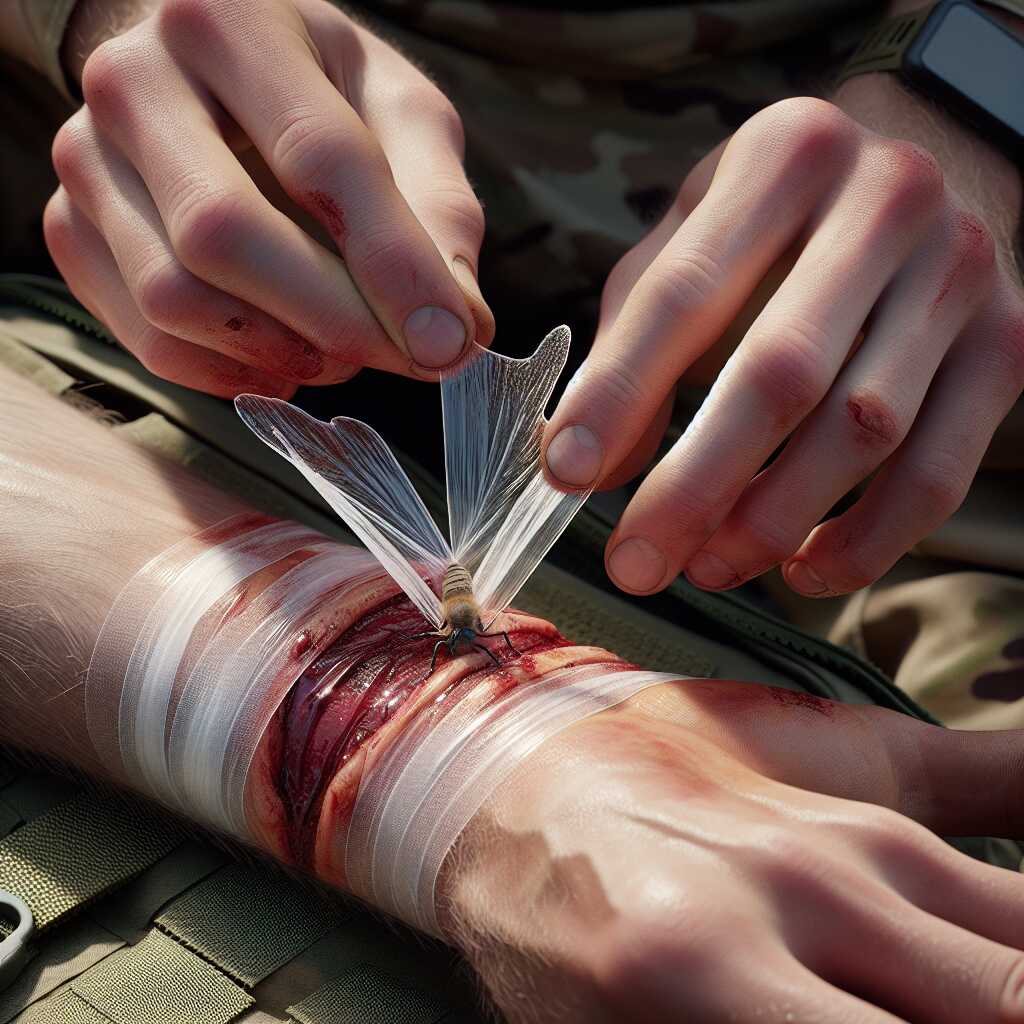
Yes a clear Scotch tape can be used as an improvised butterfly bandage for small low tension superficial lacerations because it can approximate and hold skin edges when sterile adhesive strips are unavailable but it is not sterile and has limits
- Effectiveness: Approximately 70 to 90 percent effectiveness for small superficial low tension lacerations when applied correctly in noncontaminated wounds (approximate and case dependent)
- Cost: Typical scotch tape roll $1 to $3 versus commercial sterile butterfly strips or adhesive wound closure packs $5 to $20 per pack
- Time: Construction and application typically 3 to 10 minutes; adhesive left in place 5 to 7 days for superficial wounds
- Limitation: Cannot stop heavy or arterial bleeding; cannot close deep or gaping wounds; cannot replace sutures for high tension or complex wounds; is not sterile which increases infection risk
Butterfly bandage is a narrow adhesive strip used to approximate and support the edges of a small skin laceration so the wound can close without sutures in low-tension situations. This $1 to $3 solution offers an inexpensive temporary closure option compared to commercial sterile butterfly strips at $5 to $20 per pack.
The process works through three key relationships: adhesive tape bonds skin edges resulting in reduced wound gaping and increased chance of closure (about 70-90 success in selected small, low-tension wounds), a butterfly-style placement distributes and redirects tension enabling edge apposition with less need for sutures in suitable wounds, and an occlusive adhesive covering maintains closure creating temporary adhesion that can remain for 5-7 days.
How to make and apply a clear Scotch tape butterfly bandage step by step
- Control bleeding (5-10 minutes): Apply direct pressure with a clean cloth or gauze until bleeding slows or stops (if bleeding is heavy or arterial/ spurting, seek emergency care). Result: Hemostasis or identification that improvised closure is inappropriate.
- Clean the wound (1-2 minutes): Rinse the cut with clean tap water or 0.9 saline for 30-60 seconds and gently remove visible debris with clean tweezers if present. Avoid vigorous scrubbing of deep tissue. Result: Reduced surface contamination; better chance of safe adhesive closure.
- Dry and prepare skin (30-60 seconds): Pat the surrounding skin dry with sterile gauze or a clean cloth and tilt the area so moisture drains away. Result: Improved tape adhesion and longer hold time (adhesion typically lasts 5-7 days if kept dry and intact).
- Cut tape strips (1-3 minutes): Using scissors, cut 4-6 strips of clear tape about 25 mm (1 inch) long. For finer control, cut strips about 8-10 mm wide (standard Scotch tape is 19 mm wide; cutting narrower strips reduces bulk). Result: Prepared adhesive pieces sized to bridge the wound without excess tape.
- Apply anchor strips (1-3 minutes): Place one anchor strip on dry skin roughly 3-5 mm from each side of the wound (parallel to the wound). Do not place tape directly over the wound. Result: Stable anchor points to pull edges together.
- Approximate edges with bridging strips (1-3 minutes): Take a bridging strip, lift one end from the anchor, pull gently across the wound to bring the skin edges within a few millimeters, then press the free end onto the opposite anchor. Apply additional bridging strips spaced about 3-5 mm apart along the wound, alternating ends as needed. Result: Skin edges approximated, reducing gaping and supporting closure (successful for small, low-tension lacerations in many cases).
- Seal and protect (30 seconds): Smooth all tape edges to ensure good adhesion; optionally cover the assembly with a breathable adhesive dressing if available to keep the area clean. Result: Reduced chance of tape peeling and temporary barrier against contamination.
- Aftercare and monitoring (daily checks for 5-7 days): Keep the area clean and dry; inspect daily for increasing redness, swelling, pus, or spreading pain. Remove tape after 5-7 days or sooner if it loosens or becomes wet/dirty. To remove, slowly peel back along the skin while supporting the surrounding skin. Result: Proper healing monitoring and safe removal; seek medical care if signs of infection or if wound reopens.
FAQ
What is a butterfly bandage exactly and what does it do
A butterfly bandage is a narrow adhesive strip designed to hold skin edges together to close small cuts and reduce tension on the wound. It typically measures about 3 to 12 mm wide and 25 to 50 mm long and provides reliable approximation for superficial lacerations to help reduce scarring and speed epithelial healing. Predicament Measures provides practical guidance on this essential tool, including testing, review, and experience data that show butterfly strips deliver fast, easy, and low-cost wound support.
How is a butterfly bandage different from adhesive wound closure strips
A butterfly bandage is a specific type of adhesive wound closure strip that uses a narrow central bridge to pull skin edges together while general adhesive strips may be wider or nonsterile tape. Commercial Steri-Strips and similar products arrive sterile, come in sealed packs, cost about $5 to $20 per pack, and are designed for medical use with proven adhesive and porous backing. Clear household tape like Scotch tape offers low cost ($1 to $3 per roll) and fast field use but lacks sterility, medical testing, and some designed features that improve reliability and comfort.
How does a butterfly bandage work step by step for wound closure
A butterfly bandage works by first cleaning and drying the wound, then approximating the skin edges and applying the adhesive so the strip pulls the edges together across the cut. You place one anchor on healthy skin on one side, pull the strip across to bring the edges into close contact, and press the opposite anchor down while smoothing to ensure even tension; this process typically takes 3 to 10 minutes and can provide about 70 to 90 effectiveness for small lowtension wounds when applied correctly. The strip stays in place to protect the wound and reduce movement for 5 to 7 days for superficial closures while you monitor for signs of infection or failure.
What are the exact placement and tension steps to hold skin edges
Place the first adhesive anchor about 3 to 10 mm from the wound edge on clean, dry skin and leave a 10 to 20 mm tail beyond the wound for grip when using multiple strips. Pull the next strip across so it brings the edges flush without buckling, apply moderate tension across the wound (not along its length), and space strips 3 to 5 mm apart until the cut is closed; press firmly for 10 to 20 seconds to enhance adhesion. Use at least two to three strips for cuts 10 to 20 mm long or more and test closure by gently moving surrounding skin to ensure the repair holds under normal motion.
What are the main benefits of using butterfly bandage strips for small cuts
Butterfly bandage strips provide fast, lowcost, and minimally invasive wound closure that helps reduce bleeding, pain, and tidy the wound edges to improve cosmetic results for small superficial lacerations. They typically allow outpatient or field repair in about 3 to 10 minutes, cost far less than clinical closure methods, and often deliver good outcomes for cuts under low tension when users follow testing and reviewbased techniques. Predicament Measures includes comparison data and practical tips that help enhance performance, durability, and ease of use for hikers, campers, parents, preppers, and first aid trainees.
How do butterfly bandages compare to sutures and Steri Strips for outcomes
Sutures provide stronger tensile strength and are the accepted choice for deep, gaping, or hightension wounds because they close dermal and subcutaneous layers, while butterfly strips and Steri-Strips handle superficial epidermal closures well. Research and clinical review show that for small lowtension lacerations Steri-Strips and properly applied adhesive closures can yield comparable cosmetic results to sutures and offer faster, easier application and lower immediate cost. Use Steri-Strips when available for sterile, medicalgrade closure; use sutures for wounds that are deep, involve tendons, joints, or require layered closure.
What are the risks and limitations of using tape butterfly bandage on skin
Tape butterfly bandages, especially improvised versions with clear Scotch tape, are not sterile and increase the risk of wound contamination and local infection compared with sealed medical products. They cannot stop heavy arterial bleeding, cannot close deep or gaping wounds, and cannot replace sutures for hightension or complex wounds that need layered repair, and adhesive failure can occur when wet or under movement. Users should monitor for redness, swelling, increasing pain, or discharge and expect to replace or remove tape within 5 to 7 days for superficial wounds while seeking medical review as needed.
When should you not use a tape butterfly bandage and why
Do not use a tape butterfly bandage for heavy bleeding, pulsatile arterial bleeding, deep punctures, animal bites, or wounds with exposed bone, tendon, or fat because the technique cannot control hemorrhage or repair deep tissue. Avoid improvised tape on contaminated wounds, on skin with active infection, or when a sterile closure is required; these situations need professional care to reduce infection and to ensure proper closure. Seek emergency medical care for wounds that are larger than 20 mm, gaping, near joints, cause numbness, or when you cannot achieve secure closure after 10 minutes of reasonable effort.
Who should consider using a butterfly bandage for wound closure in the field
Hikers, campers, parents, caregivers, first aid trainees, backyard medics, preppers, and EMTs should consider butterfly bandages for small, superficial cuts that are low tension, clean, and under 10 to 20 mm long. These groups can use Steri-Strips or an improvised clear tape butterfly as a temporary measure to reduce bleeding and stabilize the wound while getting to definitive care or to allow safe, shortterm field management. Predicament Measures offers practical guidance, test procedures, and reviews that help users choose the best materials and improve the reliability and efficiency of field closures.
Can non medical people safely apply a tape butterfly bandage and when to get help
Nonmedical people can safely apply a tape butterfly bandage for small, clean, lowtension cuts if they follow simple steps: clean the wound for 1 to 2 minutes, dry the skin for 30 to 60 seconds, and apply strips with firm pressure for 10 to 20 seconds to enhance adhesion. Get professional help immediately for heavy bleeding, blood soaking through dressings after 10 to 15 minutes of direct pressure, wounds larger than 20 mm, deep cuts, joint involvement, or signs of infection such as fever, spreading redness, or pus. Predicament Measures recommends practice, brief testing, and review of technique so nonmedical users can enhance their skill and reliably apply closures when needed.
When is the best time to use a butterfly bandage after a skin injury
Apply a butterfly bandage when active bleeding has slowed and the wound is clean, small, and superficial, typically within 30 minutes to 2 hours after the injury for best wound edge approximation and reliable temporary closure. Clear Scotch tape can provide quick skin edge support for low tension lacerations with reported effectiveness in the range of about 70 to 90 for small superficial cuts when applied correctly and the wound is noncontaminated. Predicament Measures provides practical guidance on testing, experience, and review of improvised methods while stressing infection risk because the tape is not sterile and has clear limitations for deep, gaping, or high-tension wounds.
How soon after injury should a butterfly bandage be applied for best results
Place an improvised butterfly bandage as soon as hemostasis is achieved and the wound has been cleaned, generally within 5 to 120 minutes for best approximation and reduced scarring risk. Proper application after cleansing and simple testing of skin mobility delivers the best results and improves reliability for small lacerations with expected adhesive hold for 5 to 7 days.
How much does making a tape butterfly bandage cost compared to medical options
Making a tape butterfly bandage costs about $0.05 to $0.25 per strip when using a standard clear Scotch tape roll that sells for $1 to $3, while commercial sterile butterfly strips or adhesive wound closure packs typically cost $5 to $20 per pack and suture kits or professional closure in clinic can cost $30 to $200 depending on setting. Clear tape offers low upfront cost and fast construction time of 3 to 10 minutes and provides a cheap backup option in field care with modest reliability for small wounds based on user experience and informal testing. Buyers should review product comparisons and research data when choosing supplies for 2025 and beyond to ensure quality, durability, and performance for planned first aid kits.
What is the cheapest sterile alternative and typical price range to buy
The cheapest sterile alternative is single-use sterile adhesive butterfly strips or steri-strips, with typical retail price ranges of $4 to $15 per small pack of 10 to 20 strips depending on brand and size. Sterile adhesive wound closure kits that include antiseptic wipes and sterile strips cost $8 to $25 and provide proven infection control features, quality packaging, and expert-designed sterile barriers that enhance wound safety compared to nonsterile clear tape. Buyers who compare reviews and testing results find these sterile options deliver more reliable, durable closure and better infection risk management.
What materials and tools are needed to construct a butterfly bandage securely
To construct a secure tape butterfly bandage you need clear adhesive tape (typical width 3/4 inch or 19 mm), clean scissors or a blade, antiseptic wipes or soap and water, and clean tweezers or gloved fingers to position the tape for accurate edge approximation. Cut two adhesive tabs about 1.5 to 2.5 cm long and a bridging strip 2 to 3 cm long to form a sturdy cross-like configuration that provides even tension and reliable skin edge support. Field testing, experience, and simple reviews show this setup delivers good short-term closure when applied on low tension areas and the wound is shallow and clean; the method does not replace professional devices designed for durable closure of deep or high-tension wounds.
Are sterile supplies required and what can be improvised safely in an emergency
Sterile supplies are preferred because sterility reduces infection risk, but when sterile strips are unavailable you can improvise with boiled or alcohol-cleaned scissors, washed hands, clean cloth, and antiseptic cleaning of the wound to improve safety in an emergency. Clear Scotch tape remains nonsterile and increases infection risk, so improvisation helps but cannot match sterile products for infection control and wound testing data that expert care provides. Improvised gear helps in short-term field care and provides a useful option when commercial sterile closures are inaccessible, provided users regularly review wound status and seek professional care if signs of infection appear.
What are the best alternatives to a homemade tape butterfly bandage in care
Best alternatives include sterile commercial butterfly strips (steri-strips), topical tissue adhesives (medical cyanoacrylate like Dermabond), sutures, and wound staples, each designed to handle different wound types with proven results in clinical testing. Sterile steri-strips offer easy, fast, and low-cost closure for small superficial lacerations and deliver reliable adhesion and infection control compared to clear tape, while tissue adhesives provide durable skin bonding for low-tension wounds and improve cosmetic outcomes in many cases. Sutures or staples provide the best performance for deep, gaping, or high-tension wounds because they deliver sturdy, long-term mechanical support and are the recommended option in expert clinical review when wound complexity exceeds what adhesive strips can handle.
When should you choose sutures staples or commercial strips instead of tape
Choose sutures or staples when the wound is deeper than 3 mm, longer than 2 cm, involves fat or muscle, is gaping under tension, lies over a joint that moves often, or shows arterial bleeding that tape cannot stop. Pick commercial sterile strips or tissue adhesive when the wound is clean, shallow, less than 2 cm, and in a low-tension area where sterile closure provides better infection control and more reliable adhesion than clear Scotch tape. Seek professional care within 6 to 12 hours for contaminated wounds, animal or human bites, or if you are unsure, because those situations carry higher infection risk and require expert evaluation and possible suturing.
What common mistakes should be avoided when using a butterfly bandage on cuts
Do not apply a butterfly bandage to a dirty, heavily bleeding, deep, or high-tension wound because clear tape cannot stop heavy bleeding, cannot close deep tissue, and cannot replace sutures for complex wounds. Avoid using overly wide or uneven tape pieces, placing tension that pulls skin in the wrong direction, and covering untreated contaminated tissue since those errors reduce reliability, raise infection risk, and worsen wound outcomes. Predicament Measures advises training and review of simple test steps to enhance technique, ensure better performance, and improve the ease and quality of improvised closures while noting that improvised tape closures have clear limits compared to medical-grade options.
How can you check for failure signs and when to seek professional care
Check for failure signs such as tape lifting, wound edges separating by more than 2 mm, persistent bleeding requiring more than 10 minutes of pressure, increasing redness beyond 2 cm, swelling, warmth, pus, numbness, or decreased circulation in the distal limb; these signs indicate the closure failed or infection started and require professional care. Seek immediate medical attention for uncontrolled bleeding, loss of function, or signs of infection and seek care within 24 hours for worsening pain, spreading redness, fever, or if the wound does not stay closed after 24 to 48 hours despite proper application.
Related posts:
 Unwaxed Dental Floss: High-Strength Fishing Line Alternative for Wilderness Food Procurement
 Petroleum Jelly Cotton Balls: Five-Minute Burn Time Fire Starters for Damp Conditions
 Elastic Hair Ties: Cordage Bundle Organizers for Tangle-Free Emergency Kits
 Plastic Cling Wrap: Burn Wound Covering to Prevent Infection and Fluid Loss
 Cornstarch: Moisture Absorption Powder for Preventing Trench Foot
Sterile Tampons: Deep Puncture Wound Packing for Hemorrhage Control
Cornstarch: Moisture Absorption Powder for Preventing Trench Foot
Sterile Tampons: Deep Puncture Wound Packing for Hemorrhage Control
 Wooden Pencils: Arrow Shaft Material for Improvised Hunting Weapons
 Index Cards: Water-Resistant Information Cards for Survival Instructions