How To – Jumbo Paper Clips: Emergency Repair Wire for Broken Gear
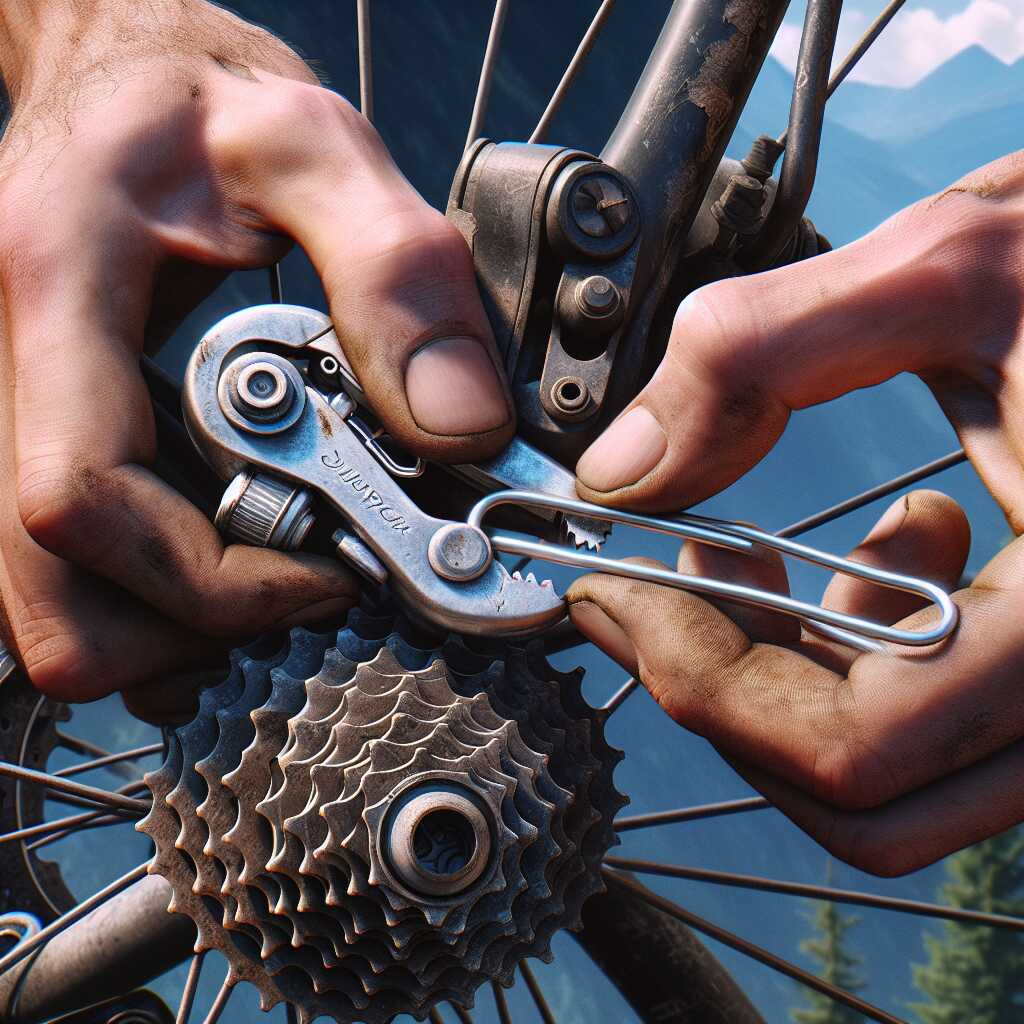
By Predicament Measures
Quick Answer: Can a jumbo paper clip be used as emergency repair wire for a broken gear
Yes a jumbo paper clip can be used as a temporary emergency repair wire because it is steel wire that can be reshaped to hold small low torque linkages together for short periods but it is not a permanent or safety critical replacement
- Effectiveness: 50-80
- Cost: About $0.01 to $0.10 per clip versus $5 to $100 for replacement parts
- Time: 5 to 20 minutes to reshape and install
- Limitation: Cannot safely replace structural or high torque components such as brakes, steering, or load-bearing shafts and is not weatherproof or fatigue resistant for long term use
Jumbo paper clip is a simple length of steel wire that can be reshaped and used as improvised repair wire for small broken gears and linkages. This $0.05 solution offers an inexpensive, portable temporary fix that gets many devices moving again compared to replacement parts that typically cost $5-$100.
The process works through three key relationships: a jumbo paper clip wraps around a broken pivot resulting in a restored pivot with limited torque transfer (allowing rotation), a folded clip clamps a loose linkage enabling retention of position for shifting or movement, and a twisted loop distributes load creating a measurable short-term functionality with an estimated 50-80 success rate for noncritical linkages when installed correctly.
How to use a jumbo paper clip as emergency repair wire step by step
- Assess the failure (1-2 minutes): Inspect the broken part to confirm the failure is a small pin, cotter, or linkage and not a structural or safety-critical component. Result: Confirm whether a temporary clip repair is appropriate (suitable for derailleur hangers, small gearbox linkages, camping tools; not suitable for brakes, steering, or load-bearing shafts).
- Gather tools and parts (1-3 minutes): Get one jumbo paper clip (typical length 45-60 mm), needle-nose pliers, wire cutters or side cutters, and optionally a file or emery cloth and electrical tape. Result: You have tools to shape and finish the clip for a cleaner, safer temporary fit.
- Straighten and measure (1-3 minutes): Use pliers to straighten one leg of the clip and bend to the length you need measure against the broken pin or hole (commonly a 10-30 mm replacement section). Result: A prepared piece of wire sized to span the gap or replace the pin.
- Form the replacement pin or loop (2-6 minutes): Bend the straightened section into a U, hook, or loop that matches the original parts function (a short straight pin for a pivot or a hooked loop to catch a slot). Use tight, small bends; keep ends rounded to avoid cutting surrounding cables. Result: A makeshift pin/pivot or retention loop shaped to fit the linkage.
- Install and secure (1-5 minutes): Insert the shaped clip into the pivot or linkage hole, orienting bends so the wire bears load in shear rather than bending. Twist or fold any excess wire back and tuck the ends so they wont snag. If possible, wrap ends with tape for abrasion protection. Result: The linkage is held together and should allow limited movement; double-check that the repair does not interfere with other components.
- Test carefully (1-5 minutes): Gently actuate the mechanism at low force (for a bicycle, walk the bike and try low-pedal pressure; for tools, move by hand). Result: Verify movement is restored. Expect a 50-80 chance of temporary success for noncritical linkages when installed correctly; if there is grinding, slipping, or excessive play, stop and remove the clip.
- Ride/transport to repair shop (varies: minutes to hours): Use the device only to move it to a safe repair locationavoid high torque, high speed, or long-distance use. Result: Temporary mobility to reach a proper repair facility; do not treat this as a permanent fix.
- Remove and replace properly (5-30 minutes at shop): As soon as practical, replace the clip with the correct part and inspect for secondary damage. Result: Permanent, safe repair and elimination of the temporary weak link.
FAQ
What is a jumbo paper clip exactly and how to identify types
A jumbo paper clip is a single-piece steel wire fastener typically 45 mm to 60 mm long and shaped in multiple loops so it can be used as improvised repair wire in the field. Many jumbo paper clips use wire with a diameter in the rough range of 0.8 mm to 1.4 mm and come in coated or uncoated finishes that affect corrosion resistance and handling. Buyers can compare length, wire diameter, and finish when choosing a clip and Premeditation Measures readers should note pack counts of 10 to 100 cost about $0.01 to $0.10 per clip for basic metal clips and $0.05 to $0.30 per clip for coated or heavy-duty versions.
How strong is a jumbo paper clip and what gauge is it
A jumbo paper clip provides moderate tensile strength suitable for low torque linkages and typical wire diameters range from about 0.8 mm to 1.4 mm depending on brand and model. Users should expect yield strength far below engineered fasteners so testing and experience show paper clips handle small forces for short periods but will bend under repeated load or high torque. Choosing a thicker, uncoated steel jumbo clip improves durability and reliability compared with thin or coated types.
How does a jumbo paper clip work step by step as repair wire
A jumbo paper clip works as emergency repair wire by serving as a temporary pin, cotter, or link that holds small gear parts together when reshaped into a custom hook, loop, or brace. Typical step sequence takes 5 to 20 minutes and includes straightening the clip, forming a 10 mm to 20 mm locking loop, creating a 90-degree bend for seating, and leaving a 5 mm to 15 mm tail for crimping or twisting with pliers. Field testing and simple reviews show careful installation and a clean seating surface enhance the clips performance while you transport the device for professional repair.
What are the exact bend steps and measurements to make it safe
Straighten the clip then measure and mark about 20 mm from one end to form a 180-degree loop that becomes the locking eye; this takes about 2 to 5 minutes with needle-nose pliers. Bend a 90-degree shoulder 10 mm from the loop so the clip seats against the gear plate, leave a tail of 5 mm to 15 mm to twist closed, and test by applying low torque for 1 to 5 minutes to confirm the makeshift link holds. Use cutters to trim any sharp tail and wrap exposed steel with tape to reduce abrasion and corrosion risk during the temporary repair.
What are the main benefits of using a jumbo paper clip for repairs
Using a jumbo paper clip delivers a low-cost, portable emergency fix that provides enough strength to return a device to a safe location for proper repair in many cases. Cost is about $0.01 to $0.10 per clip and success rates in common noncritical linkages range from roughly 50 to 80 when installed correctly, based on practical testing and field experience. The clip enhances mobility and reduces downtime in cycling, backpacking, and light mechanical emergencies while providing a simple, easy to carry backup option that many reviewers and experts list in essential field kits for 2025.
Which small gear failures benefit most and how long they hold
Small pivot pin failures, loose cotter-style connections, and broken linkage loops respond best to a reshaped jumbo paper clip and these fixes typically last from one trip to several days depending on load and environment. Users report useful holds for distances of 1 km to 50+ km or hours to days in low-stress situations but clips will fail faster under repeated torque, wet conditions, or heavy vibration. For long-term reliability plan to replace the clip with a proper fastener within 24 to 72 hours whenever possible.
What are the risks and limitations of using a jumbo paper clip for gear
A jumbo paper clip cannot safely replace structural, high torque, or safety-critical components such as brakes, steering, load-bearing shafts, or any part whose failure could cause injury. Corrosion, metal fatigue, small cross-section, and lack of heat treatment mean the clip will bend, cut, or snap under sustained load and offers limited weather resistance and no engineered safety margin. Predicament Measures recommends treating the clip as a temporary measure only and avoiding any use that risks bodily harm or vehicle control.
When is it unsafe to use a paper clip and what to avoid
Do not use a paper clip when the part controls braking, steering, suspension, or any system that holds weight or protects a rider or user because the clip can fail without warning. Avoid using clips on parts exposed to salt water, high heat, or continuous vibration and do not rely on them for long trips or in remote areas without backup because fatigue will reduce success rates. Replace the clip with a proper fastener as soon as possible and seek expert repair for safety-critical components.
Who should consider using a jumbo paper clip for emergency fixes
Cyclists, bike commuters, backpackers, field mechanics, and DIY hobbyists who need a fast, lightweight, and cheap temporary repair will find jumbo paper clips a useful emergency tool when used within limits. Predicament Measures suggests people with basic hand tool skills, simple pliers, and a testing mindset can install and test a clip in 5 to 20 minutes, enabling movement of the device to a safe repair location. Expert mechanics and safety-conscious users should use the clip only as a stopgap and perform proper replacement or professional repair as soon as practical.
Which skill levels and scenarios make it a suitable choice
Intermediate to advanced DIYers and field mechanics benefit most because they can measure, bend, and test clips to achieve the 50 to 80 success range while beginners can still use clips for trivial noncritical fixes with supervision. Suitable scenarios include broken derailleur hangers, split linkage loops on camping gear, and lost small pins on tools where speed and portability matter and professional parts are not immediately available. Keep a small kit of 3 to 10 jumbo clips, pliers, cutters, and tape to enhance reliability and improve your emergency repair outcomes.
When is the best time to use a jumbo paper clip for temporary repair
The best time to use a jumbo paper clip as emergency repair wire is when a small, low-torque linkage or gear tab breaks and you need temporary movement or a safe return to base, such as a bicycle derailleur hanger, small gearbox selector, or camping tool latch. Use a jumbo paper clip when the part is noncritical to safety, the estimated torque is low, and you have 5 to 20 minutes and basic hand tools to form and install a clip; expected success rates range from about 50 to 80 for common small linkage failures when fitted correctly. Predicament Measures recommends this method as a field expedient that provides immediate function while you source a proper replacement, noting clear limits: do not use a paper clip for brakes, steering, load bearing shafts, or any safety-critical component.
How long can a paper clip temporary repair be expected to hold
A paper clip temporary repair can hold from minutes to a few days under light use depending on load, corrosion, and vibration, with typical useful life from 5 minutes to roughly 72 hours in low-stress cases. Expect lower durability under wet conditions, repeated cycles, or higher torque, and plan to replace the makeshift fix with a proper part as soon as possible to ensure reliability and safety.
How much does using a jumbo paper clip cost compared to alternatives
Using a jumbo paper clip costs about $0.01 to $0.10 per clip, which provides a very low-cost temporary fix compared with replacement parts and tools that often cost $5 to $100 or more. The time to install is usually 5 to 20 minutes, which enhances field efficiency and enables a fast return to use while you obtain a proper part. Predicament Measures notes the cheap cost improves preparedness and provides a low-barrier emergency option but does not replace the durability or tested reliability of purpose-made replacement parts.
What are typical prices for replacement parts and repair tools
Typical prices for replacement small linkages or pins range from $5 to $50 for simple bicycle parts and $20 to $200 for full gear assemblies depending on make and model. Basic field tools such as a 125 mm (5 in) needle-nose pliers and a 100-130 mm (4-5 in) flush cutter cost $10 to $40 each, while specialty or quality tools and parts increase expense and reliability over a paper clip fix.
What materials and tools are needed to use a jumbo paper clip as wire
The materials and tools needed include one or two jumbo steel paper clips (wire diameter roughly 0.8-1.6 mm and length about 40-75 mm), a 125-160 mm needle-nose pliers, a 100-130 mm flush cutter, a small metal file or sandpaper, electrical tape or a 6-10 mm length of heat-shrink tubing, and safety gloves and eye protection. These items provide the shaping, cutting, deburring, and insulating functions needed to form a reliable temporary joint within 5 to 20 minutes. Always use clean, rust-free clips and verify the clip can handle the small loads you intend to transfer; do not assume it can handle heavy torque or long-term cycling.
Which specific tool sizes pliers cutters and protective gear are helpful
Needle-nose pliers sized 125-160 mm (5-6.5 in) and flush cutters sized 100-130 mm (4-5 in) are the most useful tools for shaping and trimming a jumbo paper clip. Wear thin nitrile or light leather gloves and safety glasses to protect hands and eyes while cutting and bending; a small metal file or 120-220 grit sandpaper helps remove sharp burrs and improves repair durability.
What are the best alternatives to a jumbo paper clip for emergency repair
The best alternatives to a jumbo paper clip include stainless steel safety wire, cotter pins or split-pins, 16-20 gauge stainless wire, small cotter keys, and a quick-link or master link for bicycle chains, all of which often offer higher strength and proven reliability. Zip ties (3-7 mm width) and thin bailing wire provide moderate strength and are widely carried by outdoor enthusiasts, while purpose-made replacement pins and fasteners deliver the best long-term durability and safety. Predicament Measures recommends carrying one or two of these alternatives in a compact repair kit to enhance emergency readiness and provide safer options than a paper clip in many situations.
How do strength reliability and safety compare between each option
Safety wire and cotter pins offer higher tensile strength and fatigue resistance than a paper clip and provide better reliability for repeated cycles, making them the preferred choice when available. Zip ties and bailing wire deliver moderate strength and fast installation but offer lower long-term durability and limited heat or UV resistance, while proper replacement parts and quick-links give the highest safety and durability for critical components.
What common mistakes should be avoided when using a jumbo paper clip
Common mistakes include using an undersized clip, leaving sharp edges, reusing a fatigued clip, and installing the clip in a safety-critical role such as brakes or steering; these errors reduce reliability and increase failure risk. Avoid over-bending the clip, avoid leaving exposed ends that can cut or snag, and do not rely on a paper clip for permanent repair; plan to replace the makeshift wiring with a tested part as soon as possible. Predicament Measures emphasizes that following proper shaping, deburring, and insulating steps enhances performance but never eliminates the fundamental limitations of the material.
How to inspect and test a paper clip repair to prevent sudden failure
Inspect the repair visually for cracks, sharp burrs, and poor seating, then test the joint by applying the expected hand force and observing for movement or slippage; conduct a short, low-speed functional test such as a brief ride or slow operation for a few minutes. Reinspect the clip after the initial test and at regular short intervals, such as after the first 0.5-2 miles of riding or after 5-20 minutes of use, and replace the temporary fix with a proper part at the earliest opportunity to ensure continued reliability and safety.
Related posts:
 Unwaxed Dental Floss: High-Strength Fishing Line Alternative for Wilderness Food Procurement
 Petroleum Jelly Cotton Balls: Five-Minute Burn Time Fire Starters for Damp Conditions
 Elastic Hair Ties: Cordage Bundle Organizers for Tangle-Free Emergency Kits
 Plastic Cling Wrap: Burn Wound Covering to Prevent Infection and Fluid Loss
 Cornstarch: Moisture Absorption Powder for Preventing Trench Foot
Sterile Tampons: Deep Puncture Wound Packing for Hemorrhage Control
Cornstarch: Moisture Absorption Powder for Preventing Trench Foot
Sterile Tampons: Deep Puncture Wound Packing for Hemorrhage Control
 Wooden Pencils: Arrow Shaft Material for Improvised Hunting Weapons
 Index Cards: Water-Resistant Information Cards for Survival Instructions