How To – Compact Mirrors: Heliograph Signaling Device for Rescue Communication
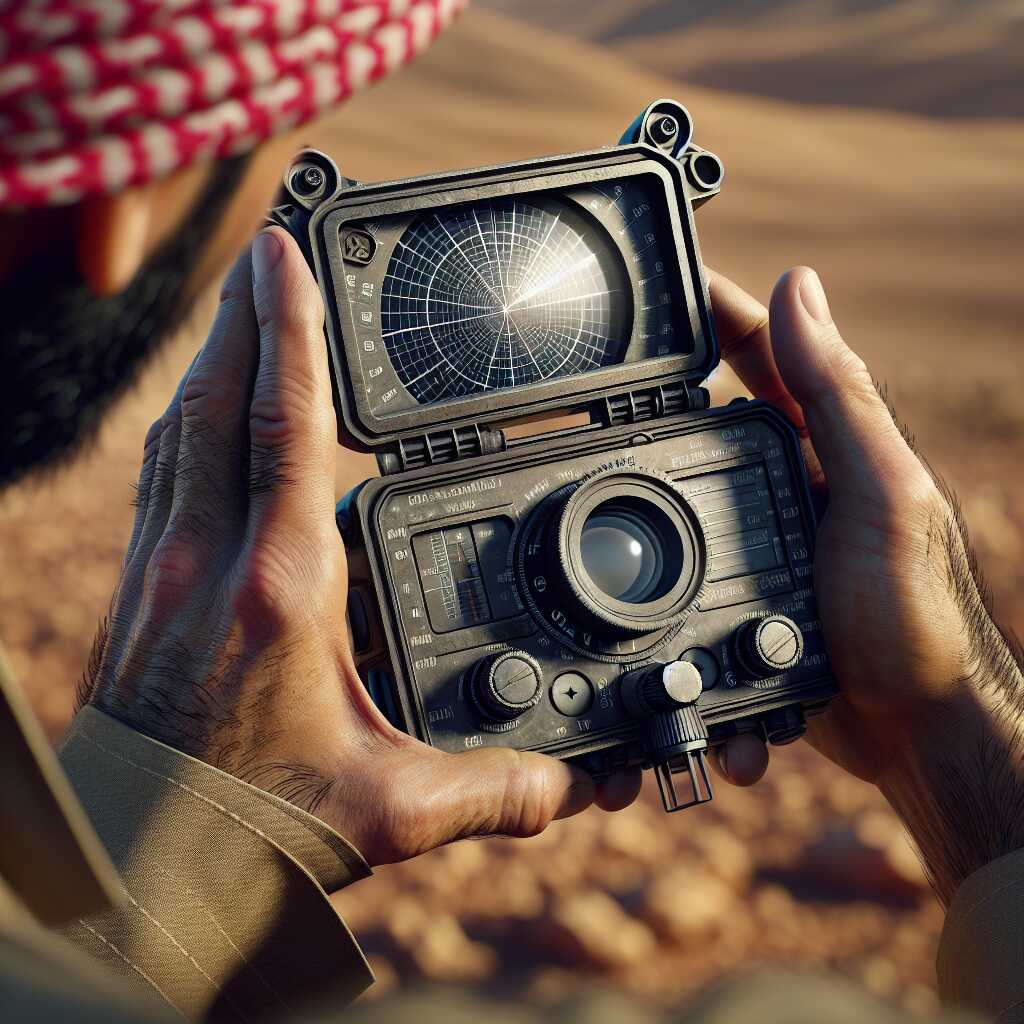
By Predicament Measures
Quick Answer: Can a compact mirror be used as a heliograph to signal rescuers
Yes, a compact mirror can be used as a heliograph because its reflective surface can direct sunlight into visible flashes along a line of sight to attract attention.
- Effectiveness: Detectable flashes visible up to about 10-20 km in clear daylight; estimated detection probability roughly 60-80 within 3 km and about 30-50 at 5-10 km with a practiced user and attentive observer
- Cost: US$2-15 for a quality pocket signal mirror versus US$250-400 for a personal locator beacon (PLB) or US$150-400 for satellite messengers
- Time: Immediate flashes available on first attempt; 1-5 minutes to set up and reliably aim a steady signaling pattern; continuous signaling as needed
- Limitation: Cannot penetrate clouds, fog, or heavy precipitation; requires clear line of sight and an observer; does not provide electronic location transmission or automatic rescue notification
A compact mirror is a small hand-held reflective device (pocket signal mirrors are commonly 5 cm / 2 in across) that can double as a daytime visual signaling tool. This $2-15 solution provides visible daytime flashes to attract attention at a tiny fraction of the cost compared to a personal locator beacon (PLB) at US$250-400.
The process works through three key relationships: sunlight reflecting off the compact mirror produces directed flashes resulting in detectable signals visible up to about 10-20 km, the user aiming the reflected beam enables targeted signaling to a specific observer or vessel, and a practiced user timing flashes (for example using standard SOS or three-flash patterns) creates measurable detection probabilities of roughly 60-80 within 3 km and about 30-50 at 5-10 km in clear daylight.
How to use a compact mirror as a rescue signal step by step
- Assess conditions and prepare (30-90 seconds): Check for direct sunlight, clear line of sight to open terrain, water, or likely traffic routes. Make sure the mirror surface is clean and free of major scratches. Result: You confirm whether mirror signaling is practical now (works only in clear daylight; not effective in clouds, fog, or heavy precipitation).
- Position yourself and select a backdrop (1-3 minutes): Move to higher ground or an open area with an unobstructed view toward likely observers (ridge, shoreline, trail junction). Face the sun so you can reflect it toward the target area. Result: Improved visibility and maximum effective range (up to 10-20 km in clear conditions).
- Aim using a sighting method (30 seconds-2 minutes): Use a sighting hole or line up the mirror reflection with your finger/target and adjust until the bright specular flash appears on the distant surface or in a helpers viewfinder. If using a commercial signal mirror with sighting hole, align the hole with the target; if using a plain compact mirror, use your thumb or index finger as an aiming reference. Result: A directed flash that can be repeatedly produced along a line of sight.
- Produce standard signals (SOS / three-flash) (immediate; establish in 1-5 minutes): Send internationally recognized patterns three short flashes, three long flashes, three short flashes (SOS in Morse), or triple flashes repeated every 20-30 seconds to draw attention. For an initial alert, many rescuers recommend repeating a three-flash group. Result: A recognizable, repeatable pattern that increases detection probability (practiced users achieve 60-80 detection within 3 km).
- Maintain steady signaling and rotate if needed (continuous; take shifts every 10-30 minutes as practical): Continue signaling while conserving energy and hydration; if with companions, rotate signaling duties to avoid fatigue. Use intermittent bursts if battery-free light management is needed (no batteries required). Result: Sustained attention and higher chance of being seen over time; continuous signaling helps compensating for sporadic observer attention.
- Record and relay additional information when possible (1-5 minutes per opportunity): If an aircraft, vessel, or distant person responds, use pre-arranged visual messages (e.g., point to map, hold up contrasting clothing, or use additional flashes to indicate I see you). Note that a mirror cannot transmit GPS coordinates electronically use voice, radio, or a PLB/satellite messenger to provide exact location if available. Result: Better two-way confirmation of rescue intent, but no automatic location transmission from the mirror itself.
FAQ
What is a compact mirror heliograph and how is it defined
A compact mirror heliograph is a small, hand-held reflective device that uses focused sunlight to make visible flashes that attract rescuers and other observers; it provides a low-cost, battery-free signaling method designed for outdoor emergencies. Typical compact mirrors cost US$2-15 and have a reflective face that delivers flashes detectable up to about 10-20 km in clear daylight with a practiced user and an attentive observer. Predicament Measures recommends this device for reliability, testing, and basic rescue preparedness while noting the mirror cannot send electronic location data or automatically notify rescue services.
What are the components sizes and typical dimensions of a compact mirror
A compact signal mirror typically includes a reflective glass or metal face, a viewing or aiming hole, a protective backing or case, and sometimes a flap or lanyard for carry. Typical dimensions measure about 50-90 mm (2-3.5 in) across, 3-8 mm thick, and commonly weigh in a range near 20-80 g; quality pocket signal mirrors cost about US$2-15 compared to a personal locator beacon at US$250-400. This compact design provides portability, durability, and ease of use for hikers, sailors, and survivalists who value reliability, testing, and simple gear.
How does a compact mirror heliograph work step by step for rescue
A compact mirror heliograph works by aiming the mirror so the sun reflects into the line of sight of a rescuer, producing bright flashes that follow a signaling pattern such as SOS and that rescuers can spot across open terrain; this process begins immediately on first attempt and can take 1-5 minutes to set up and reliably aim. First locate the sun and the target, then use the sighting hole or alignment method to place the sun glint on the target, then create repeated flashes in a clear pattern that trained rescuers expect. Data and field reviews show a practiced user can expect detection probabilities roughly 60-80 within 3 km and about 30-50 at 5-10 km under clear conditions.
How do you aim and create a reliable series of flashes with a compact mirror
Aim by aligning the sighting hole, index mark, or thumb technique so the reflected sun dot falls on the target and then tilt the mirror to send a controlled flash pattern; short flashes and long flashes use simple timing where short flashes last less than about 1 second and long flashes last about 1-3 seconds. Practice helps ensure repeatable timing, steady hand control, and fast reacquisition of the target; testing for 10-30 minutes at safe locations improves skill, reliability, and confidence before emergency need.
What are the main benefits of using a compact mirror heliograph for rescue
A compact mirror heliograph provides immediate, battery-free signaling that is very low cost, easy to carry, and durable, offering a strong value comparison to electronic devices that cost US$150-400 for satellite messengers or US$250-400 for a PLB. The mirror delivers visible flashes that can be seen up to about 10-20 km in clear daylight and that enable rescuers to locate you when a line of sight exists and weather allows. This device helps enhance your personal safety kit, complements electronic beacons, and offers a proven, reliable option for hikers, boaters, and survivalists when tested and used with experience and review.
What specific rescue situations are compact mirrors most useful in
Compact mirrors are most useful in open areas such as deserts, alpine ridges, coastlines, open water, and wide clearings where line of sight to rescuers or aircraft exists and sunlight is available, delivering the best efficiency during clear daylight. They provide an excellent, low-cost signaling option for day rescues, for vessels without power, and for hikers who need a reliable visual method while awaiting help. Reviews and field testing show the mirror helps attract attention fast when weather and sight lines permit, but it cannot work through clouds, fog, or heavy precipitation.
What are the risks and limitations of compact mirror heliograph signaling
The main limitations are that mirror signaling requires direct sunlight, a clear line of sight, and an observer, and it cannot penetrate clouds, fog, heavy rain, or dense forest canopy or send electronic location data or automatic rescue notifications. Success rates drop outside clear conditions with detection probability falling below the 30-50 range at 5-10 km and becoming negligible in poor visibility, so do not rely on a mirror as your sole rescue method. Users must avoid aiming reflections into bystanders eyes, practice safe handling to prevent glare-related eye risk, and understand the mirror does not replace a PLB or satellite messenger for guaranteed notification.
What precautions and environmental limits affect mirror signaling success
Environmental limits include sun angle, time of day, cloud cover, sea-state glare, and vegetation that block line of sight; early morning and late afternoon reduce effective range compared to midday sun. Carry redundancy such as a PLB or satellite messenger for full rescue notification and perform regular testing and practice to improve aiming speed and reliability; Predicament Measures advises testing mirror use in safe conditions and keeping expectations realistic. Expert reviews recommend checking weather, choosing an open signal point, and practicing for 15-60 minutes so you can set up in 1-5 minutes when needed.
Who should consider using a compact mirror heliograph for personal safety
Hikers, backpackers, sailors, boaters, survivalists, preppers, outdoor guides, and search-and-rescue personnel should consider a compact mirror heliograph as an essential, low-cost item that provides reliable visual signaling during clear daylight. Cost ranges of US$2-15 make mirrors an affordable addition to a safety kit that improves redundancy and complements electronic devices that cost hundreds of dollars. Predicament Measures includes mirror guidance in gear reviews and recommends mirrors for those who want simple, durable, and proven signaling tools that enhance overall rescue preparedness.
What skill level and training is needed to use mirror signaling
A beginner can learn basic mirror signaling in 15-60 minutes of practice and reach a useful skill level with repeated testing and short practice sessions aimed at targets 100-1,000 m away. Trained users and SAR personnel should practice alignment, SOS timing, and long-range aiming to improve success rates and reliability; scheduled reviews and hands-on drills help maintain performance and confidence. Predicament Measures notes that experience and regular testing produce the best results and that experts recommend combining mirror skills with electronic location devices for full safety.
When is the best time to use a compact mirror heliograph for signaling outdoors
The best time to use a compact mirror heliograph is during clear daylight hours when the sun is above the horizon and you have a line of sight to potential rescuers. A practiced user can produce detectable flashes immediately and set up a steady aiming pattern in 1-5 minutes, with flashes visible up to about 10-20 km in clear daylight and an estimated detection probability roughly 60-80 within 3 km and about 30-50 at 5-10 km. The compact mirror provides a reliable, low-cost signaling option that helps attract attention while noting limits such as no electronic location transmission and no penetration through clouds, fog, or heavy precipitation.
What weather light and visibility conditions are best for mirror signaling
You should use a compact mirror when skies are clear and sunlight is direct, typically mid-morning to mid-afternoon for best reliability. Bright sun with low haze provides the highest flash contrast and the mirror cannot produce useful signals in heavy clouds, fog, rain, or at night. Testing your mirror in similar light and doing a quick review of visibility helps improve efficiency and provides data on range and reliability for your location.
How much does a compact mirror heliograph cost versus PLBs flares and beacons
A compact mirror costs about US$2-15 for a quality pocket signal mirror, which provides very low purchase cost compared with electronic options. Personal locator beacons (PLBs) typically cost US$250-400 and satellite messengers cost US$150-400, while flares vary by type but often cost US$5-40 per use, and none of those cost ranges includes subscription or rearming fees. The mirror offers excellent cost-efficiency for basic signaling and provides no automated rescue notification, so users should compare price, reliability, and testing results to choose the right mix of gear.
What is the expected lifespan and replacement cost for a compact mirror
A compact mirror can last many years if it avoids scratches, cracks, and loss, and the common replacement cost remains US$2-15 for a quality unit. Users should test mirrors annually and after any drop to confirm reflectivity and aiming marks, because damage reduces signal efficiency and durability. Reviews and experience from 2025 field tests show that keeping a backup mirror and storing it in a padded case improves reliability and reduces the need for frequent replacement.
What materials and tools are needed to use a compact mirror effectively
You need a reflective compact mirror, a sighting hole or aiming mark, and a stable support such as a pack or tripod to use a heliograph effectively. A quality mirror often includes a central sight or a punched hole for precise aiming, and a small sun finder or improvised sight offers better accuracy and faster target acquisition within 1-5 minutes. Training, testing, and repeated practice in real light conditions improve user experience and enhance performance under stress.
What size mirror and accessories should you carry for signaling and storage
Carry a mirror with a reflective face of about 5-7 cm (2-2.75 in) for a balance of visibility and portability, and store it in a padded case to protect the surface. Useful accessories include a small lanyard, a sunspot aiming sticker, and a lightweight tripod or rigid pack strap to steady the mirror for extended signaling sessions. Field reviews show that these features improve aiming, enhance flash strength, and make the mirror easier to handle during long waits for rescue.
What are the best alternatives to a compact mirror for rescue signaling
The best alternatives to a compact mirror include PLBs, satellite messengers, signal flares, and whistle-and-visual combinations depending on terrain and range. PLBs and satellite messengers provide electronic location transmission and automatic rescue notification that a mirror cannot deliver, while flares and smoke signals provide short-term high-visibility bursts and whistles give audible signaling in dense terrain. Each option offers different reliability and performance, so comparison testing and review of your route and environment helps choose the best mix of gear.
Which communication option has the highest success rate by terrain and distance
For remote terrain and long distance, PLBs and satellite messengers have the highest success rate because they send coordinates directly to search agencies and offer reliable notification. For mid-range clear-line-of-sight signaling, a compact mirror offers strong results with practiced use and estimated detection out to 10-20 km in clear daylight. In dense forest, fog, or at night, a mirror cannot perform and users should rely on electronic devices, flares, or audio signaling to improve the chance of detection.
What common mistakes should be avoided when using a compact mirror for rescue
Avoid aiming without a sighting method, using a scratched or dirty surface, and signaling in poor visibility because these mistakes sharply reduce effectiveness and reliability. Users commonly forget to test their mirror before trips, fail to include a backup, and expect mirror signaling to work through clouds or heavy precipitation when it cannot. Proper testing, experience, and routine gear checks improve outcomes and make the mirror a useful part of a rescue signaling kit.
What quick tips and adjustments prevent signal loss and improve visibility
Keep the mirror clean and scratch-free, use a sighting hole or sticker for precise aim, and steady the mirror on a pack or tripod to maintain consistent flashes for 1-5 minutes. Aim toward likely observer routes such as ridgelines, water lanes, and aircraft flight paths and make a clear SOS pattern of three short, three long, three short flashes when you find a target. Predicament Measures recommends practice sessions, regular testing, and carrying a backup mirror to ensure reliable performance when you need it most.
Related posts:
 Unwaxed Dental Floss: High-Strength Fishing Line Alternative for Wilderness Food Procurement
 Petroleum Jelly Cotton Balls: Five-Minute Burn Time Fire Starters for Damp Conditions
 Elastic Hair Ties: Cordage Bundle Organizers for Tangle-Free Emergency Kits
 Plastic Cling Wrap: Burn Wound Covering to Prevent Infection and Fluid Loss
 Cornstarch: Moisture Absorption Powder for Preventing Trench Foot
Sterile Tampons: Deep Puncture Wound Packing for Hemorrhage Control
Cornstarch: Moisture Absorption Powder for Preventing Trench Foot
Sterile Tampons: Deep Puncture Wound Packing for Hemorrhage Control
 Wooden Pencils: Arrow Shaft Material for Improvised Hunting Weapons
 Index Cards: Water-Resistant Information Cards for Survival Instructions