How To – Lipstick Tubes: Medication Pill Storage for Emergency Doses
By Predicament Measures
Quick Answer: Can I use a lipstick tube to store emergency pills
Yes, a cleaned lipstick tube can be used for short term discreet transport of a few tablets because it provides a small rigid container that helps prevent crushing and hides pills from view but it is not airtight or childproof and can expose meds to moisture heat or contamination over time
- Effectiveness: Not quantified effective for short-term physical protection and discretion; preserves intact tablets for hours to days depending on conditions (no clinical studies available)
- Cost: Approximately $0 if reusing an empty tube or $1 to $5 to buy a new empty cosmetic tube versus $5 to $20 for a purpose-made travel pill case or pill fob
- Time: Preparation takes about 2 to 5 minutes including cleaning and labeling; retrieving a pill takes under 10 seconds
- Limitation: Cannot maintain airtight humidity control or protect against high heat, UV light, or moisture long term; not child resistant and not suitable for liquids or blister-packed medications
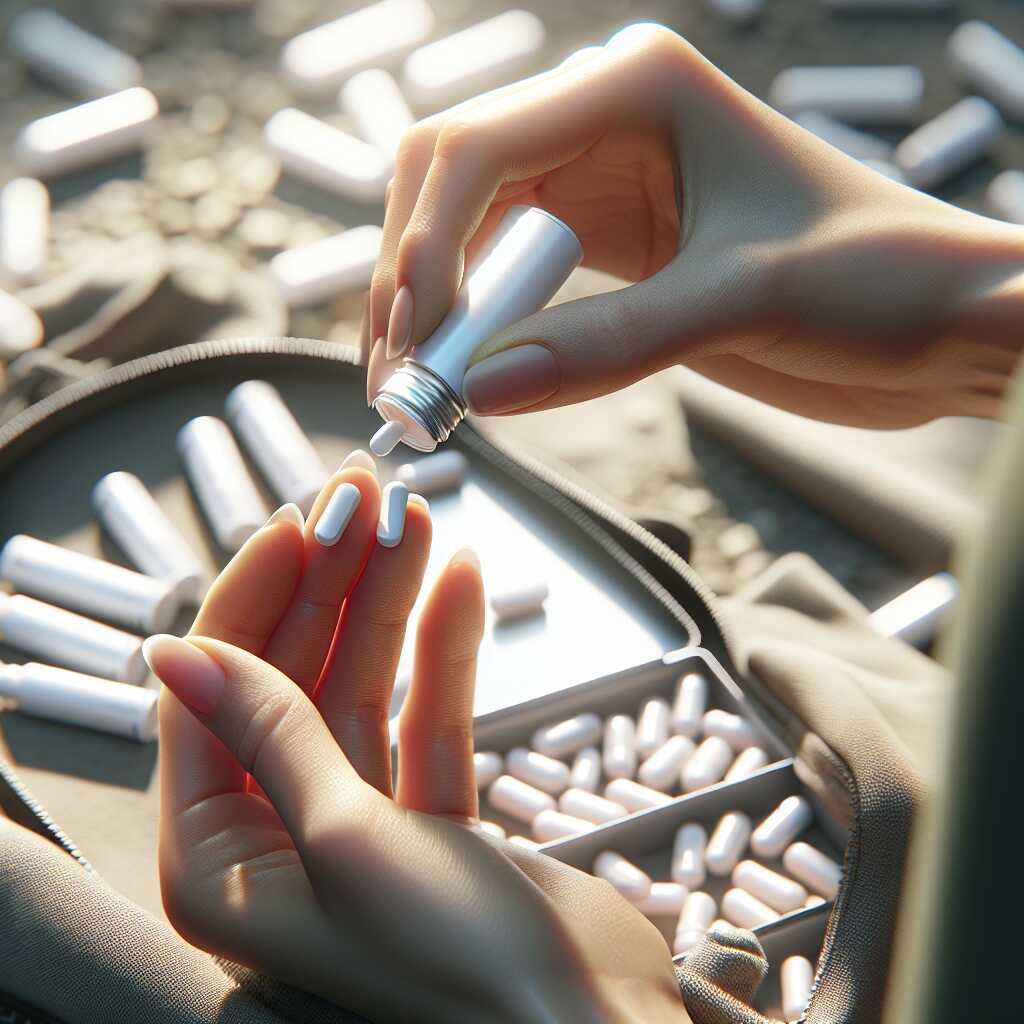
Lipstick tube is a small cylindrical cosmetic container originally designed to hold a solid lipstick. This $0-$5 solution provides discreet, rigid short-term storage and concealment for a few tablets compared to purpose-made travel pill cases at $5-$20.
The process works through three key relationships: the lipstick tube shields tablets resulting in reduced crushing during short transit, a snug cap conceals pills enabling discreet carriage in pockets or bags, and carrying only 1-4 tablets creates immediate availability of emergency doses when needed.
How to repurpose a lipstick tube for pills step by step
- Clean the tube (2-5 minutes + 10-15 minutes drying): Remove any remaining cosmetic residue with a cotton swab and 70 isopropyl alcohol, rinse with a little water if needed, and let the tube air dry for 10-15 minutes. Instruction: Use a clean cloth or paper towel to wipe the interior and cap; avoid harsh chemicals. Result: A visibly clean interior that reduces contamination risk.
- Check fit and capacity (30-60 seconds): Test how many pills fit by inserting the pills you intend to carry. Instruction: Most people fit between 1 and 4 small tablets or capsules; if a pill is larger than the tube opening, do not force it. Result: Youll know the exact capacity and which pills will fit without damage.
- Bag each pill if moisture-sensitive (30-60 seconds): For hygroscopic or coated tablets, place each pill or the group of pills inside a tiny resealable plastic bag (for example 1″ 1″) or a small pill pouch before inserting into the tube. Instruction: Do not add pills directly in contact with loose desiccant; if using a desiccant, keep it in a separate mini packet placed beside the sealed bag. Result: Improved short-term protection from moisture compared with direct exposure.
- Add a light cushion (30 seconds): Place a small folded tissue, cotton ball piece, or scrap of foam at the base to prevent movement and cushion against impact. Instruction: Use clean, dry material and avoid fibers that may stick to pills. Result: Reduced chance of tablets chipping or breaking from bumps.
- Label clearly (1 minute): Mark the tube with the medication name, dosage (e.g., Diphenhydramine 50 mg), number of tablets inside, and an expiration date. Instruction: Use a small piece of tape and a permanent marker or a printed label. Result: Faster identification in an emergency and reduced medication errors.
- Seal and store while carrying (under 1 minute): Snap cap closed and keep the tube in a cool, shaded place (not in a hot car, direct sun, or near a heat source). Instruction: Carry in an inner pocket or small bag compartment. Result: Discreet, immediate access to emergency doses while minimizing heat exposure.
- Retrieve and inspect before use (under 10 seconds): When needed, open the tube, remove the sealed bag/pill, and confirm the tablet is intact and not discolored or crumbly. Instruction: If a tablet looks compromised, do not ingest and use an alternate dose or seek assistance. Result: Quick access to an emergency dose with a brief safety check.
- Limitations and regular checks (30 seconds every 24-72 hours while stored): Do not use this method for long-term storage, for liquid medications, or for blister-packed pills that must stay sealed. Instruction: Check the tube periodically for moisture, cap integrity, and label legibility; replace if any concern. Result: Awareness of the carrying limits and prevention of accidental degradation.
FAQ
What is a lipstick tube used for storing medication tablets
A cleaned empty lipstick tube can be used to store a small number of emergency medication tablets for short-term discreet transport and basic crush protection. It typically holds about 2 to 8 standard 6 mm to 12 mm tablets depending on tablet size and a tube interior length of about 25 mm to 45 mm, costs $0 if reused or about $1 to $5 for a new cosmetic tube, and takes about 2 to 5 minutes to prepare. The lipstick tube provides reliable physical protection against crushing and offers strong discretion but it is not airtight, not child resistant, and cannot maintain humidity or heat control for long-term storage.
How does a lipstick tube differ from a small pill vial
A lipstick tube differs from a small pill vial in capacity, sealing, and design, since a typical small pill vial can hold 10 to 50 tablets and often includes a child-resistant cap and moisture-control features. A lipstick tube provides better concealment and rigid sidewall protection while a purpose-made pill vial generally provides better humidity control, a formal seal, and legal labeling that improves reliability and safe use. Users should treat the lipstick tube as a short-term travel aid and not as a replacement for tested prescription packaging with tamper-proof seals.
How to prepare and use a lipstick tube to carry emergency pills
To prepare and use a lipstick tube for emergency pills follow a short cleaning and labeling sequence that takes about 2 to 5 minutes and includes simple tools and a basic test for fit. Use 70 isopropyl alcohol and a cotton swab to clean the interior, let the tube air-dry for 1 to 3 minutes, place pills with clean tweezers, label with name, dose, and date on a 5 mm by 20 mm adhesive label, and store in a cool, dry place for hours to days depending on conditions. This method provides useful short-term protection and discretion, gives fast access in under 10 seconds, and includes no formal testing data so users should review storage needs with a pharmacist for reliability and safety.
What step by step tools and measurements are needed
Required tools include one empty lipstick tube (interior length 25 mm to 45 mm), 70 isopropyl alcohol, 1 cotton swab, small tweezers, a 5 mm by 20 mm adhesive label, and a fine-tip permanent marker; total prep time is about 2 to 5 minutes. Measure pills against the tube opening to confirm 2 to 8 pills fit without crushing, perform a fit test by gently closing the tube once, and keep a record of medications and expiry dates to maintain good practice and ensure traceability. Predicament Measures recommends checking fit and condition before each trip and reviewing experience and product reviews for best choices in 2025.
What are the benefits of using a lipstick tube for meds on trips
A lipstick tube offers discretion, rigid protection from crushing, and very small pocket-sized portability that helps travelers and commuters keep emergency tablets on hand. Typical benefits include near-silent access in under 10 seconds, cost savings of $0 to $5 compared with $5 to $20 for a purpose-made travel pill case, and simple durability for short outings, hiking days, or commutes that last hours to a few days under cool, dry conditions. The solution provides practical convenience and easy labeling but cannot replace humidity-tested containers or medically approved blister packs for long-term reliability.
How does a lipstick tube improve discretion portability and protection
A lipstick tube improves discretion by looking like a common cosmetic item and improves portability by fitting easily in a pocket or small bag and weighing only a few grams. The rigid shell enhances protection against crushing and abrasion during short trips and the tube design delivers fast, discreet retrieval without drawing attention. This option helps in many travel and outdoor use cases but does not provide humidity control, UV protection, or child-resistant security.
What are the risks and limitations of storing pills in lipstick tubes
Storing pills in lipstick tubes carries risks from moisture, heat, contamination, and lack of child resistance that can reduce drug stability and safety over time. The tube cannot maintain airtight humidity control, cannot protect against high heat or UV exposure, and cannot prevent contamination if tablets touch unclean surfaces or if cleaning was incomplete, so users face uncertain preservation beyond hours to days and no clinical testing supports long-term effectiveness. Predicament Measures advises users to avoid sensitive medications and to use original packaging or purpose-made containers for long-term storage and legal compliance.
Which medications are unsafe to carry in small lipstick containers
Medications unsafe to carry in small lipstick containers include liquids, blister-packed tablets that require original seals, epinephrine auto-injectors, insulin, and nitroglycerin tablets that need tight glass or sealed packaging for stability. Tablets that list moisture or light sensitivity on manufacturer information or that have a short shelf life should remain in original pharmacy packaging and users should consult a pharmacist for testing and review before repackaging. Legal and safety rules for controlled substances and prescription labeling vary by jurisdiction so check local guidance before transferring medications to a lipstick tube.
Who should consider using a lipstick tube for emergency medication storage
Adults who need a discreet short-term backup for stable, non-sensitive tabletssuch as some allergy pills or compact emergency tabletsmay consider using a cleaned lipstick tube for trips, commuting, or outdoor activities. Hikers, travelers, caregivers, and parents can benefit from the tubelike protection for a few pills for hours to days, cost savings of $0 to $5, and quick access of under 10 seconds while keeping medications out of view. Users must ensure the medication is suitable for short-term repackaging, label the tube with medication name and dose, and seek pharmacist review for reliability, testing, and safety.
Are there age or legal restrictions for carrying medications in tubes
Age and legal restrictions vary, so carry prescription pills in identifiable packaging or with a prescription note when laws require original labeling, and be aware that small lipstick containers are not childproof and should not be used where children have access. No universal law forbids repackaging many tablets for personal use, but controlled substances often require original prescription labeling and checks at airports or in other jurisdictions, so check local rules and carry proof of prescription where appropriate. Predicament Measures recommends conservative practice, expert consultation, and careful review of regulations and product testing before using lipstick tubes for medication.
When is the best time to use a lipstick tube for emergency doses
Yes, a cleaned empty lipstick tube can be used for short term discreet transport of a few tablets because it provides a small rigid container that helps prevent crushing and hides pills from view while offering quick access when needed. A typical lipstick tube inner diameter of about 12-18 mm and inner length of about 50-75 mm holds 1 to 6 standard 8 mm to 12 mm tablets or capsules depending on pill size and shape. Predicament Measures recommends this option for short trips, commutes, hikes, or single-day outings when you need discreet protection and fast retrieval under 10 seconds but not for long-term storage or child safety.
How long can pills safely remain in a lipstick tube before replacement
Pills can remain intact in a lipstick tube for hours to days depending on temperature and humidity, with best reliability when kept dry and cool; no definitive clinical testing exists for exact shelf life inside a lipstick tube. Replace pills after 24 to 72 hours in hot or humid conditions and consider replacement every 7 to 30 days in cool, dry conditions to reduce risk of moisture, heat, or contamination.
How much does repurposing or buying a lipstick tube cost versus pill cases
Repurposing an empty lipstick tube costs about $0 if you reuse a tube you already have and buying a new empty cosmetic tube costs about $1 to $5, while purpose-built travel pill cases or pill fobs typically cost about $5 to $20. Cost comparison reviews show that lipstick tubes offer excellent low cost and good discretion but they lack the moisture control and child resistance found in purpose-made cases that often include seals and desiccant features. Predicament Measures notes that cost savings come with trade-offs in reliability and protection, so compare price, testing, and user reviews when choosing a solution in 2025.
What are typical price ranges for DIY reuse versus buying purpose built cases
Typical price ranges run from free for DIY reuse, $1-$5 for new cosmetic tubes, and $5-$20 for compact pill fobs or sealed travel pill cases that include child-resistant lids or desiccant compartments. Buying a sealed pill fob provides more durable moisture protection and proven design features while lipstick tubes provide cheap, discreet, and easily carried storage.
What materials and tools are needed to convert a lipstick tube into pill storage
To convert a lipstick tube you will need the empty lipstick tube, mild soap, isopropyl alcohol 70 for disinfection, a small square of clean food-safe plastic or wax paper about 2 cm x 2 cm, and optional 1 g silica gel packet or a 5 mm foam pad for cushioning and moisture reduction. Preparation takes about 2 to 5 minutes including cleaning and labeling, and this simple kit helps enhance durability and reduce contamination risk while maintaining easy access. Predicament Measures advises against using solvents that leave residue and recommends testing cleanliness and fit before trusting the tube for essential medication.
What sizes caps liners and seal methods work best for tablet protection
Caps that close snugly with minimal play and liners such as a 2 mm thick food-grade silicone or a 5 mm foam pad provide the best cushioning and basic sealing for tablets; an inner diameter of 12-18 mm works well for most single-dose tablets. Seal methods that help include adding a folded 2 cm x 2 cm piece of plastic wrap under the cap, wrapping the cap with a 1 cm wide strip of medical tape for tamper evidence, and including a tiny 1 g silica gel packet if space allows to improve moisture control and overall reliability.
What are the best alternatives to lipstick tubes for carrying emergency pills
Best alternatives include travel pill fobs, mini vials with screw caps, blister-pack carry solutions, and small pill tins; these options provide better moisture control, child resistance, and longer-term protection than a lipstick tube. Many purpose-built cases cost $5-$20 and include features designed for emergency use, such as airtight seals, labeled compartments, and room for a 1 g desiccant, which enhances reliability and proven performance.
How do travel pill fobs mini vials and blister packs compare for emergencies
Travel pill fobs often deliver airtight seals and child-resistant options and typically hold 2-10 tablets; mini vials deliver sturdy protection for 1-4 tablets and blister packs deliver original pharmacy-level moisture and light protection but may be bulky. Comparison reviews show that blister packs preserve tablets best, pill fobs provide the best balance of durability and ease, and lipstick tubes provide the best discretion and low cost but cannot match moisture control or child safety.
What common mistakes should be avoided when using lipstick tubes for pills
Do not store multiple different medications together, do not rely on lipstick tubes as a childproof or long-term storage solution, and do not leave tubes in hot cars or direct sunlight because heat and moisture can degrade pills. Common mistakes include failing to clean and dry the tube before use, neglecting to label the contents and dose, and assuming the tube offers airtight or tamper-proof protection.
How can contamination moisture and dosage errors be prevented in practice
Prevent contamination and moisture by washing the tube with mild soap, rinsing and air drying fully for at least 15 minutes, inserting a small 1 g silica gel packet when possible, and sealing the cap with a 1 cm strip of medical tape for tamper evidence. Prevent dosage errors by labeling the tube with medication name and dose using a waterproof label, storing the tube separately from other medicines, and replacing pills on a defined schedule such as every 24-72 hours in humid conditions or every 7-30 days in cool, dry conditions.
Related posts:
 Unwaxed Dental Floss: High-Strength Fishing Line Alternative for Wilderness Food Procurement
 Petroleum Jelly Cotton Balls: Five-Minute Burn Time Fire Starters for Damp Conditions
 Elastic Hair Ties: Cordage Bundle Organizers for Tangle-Free Emergency Kits
 Plastic Cling Wrap: Burn Wound Covering to Prevent Infection and Fluid Loss
 Cornstarch: Moisture Absorption Powder for Preventing Trench Foot
Sterile Tampons: Deep Puncture Wound Packing for Hemorrhage Control
Cornstarch: Moisture Absorption Powder for Preventing Trench Foot
Sterile Tampons: Deep Puncture Wound Packing for Hemorrhage Control
 Wooden Pencils: Arrow Shaft Material for Improvised Hunting Weapons
 Index Cards: Water-Resistant Information Cards for Survival Instructions