How To – Makeup Remover: Tree Sap and Pitch Removal from Skin
By Predicament Measures
Quick Answer: How do I remove tree sap from skin quickly and safely
Yes tree sap can be removed from skin using oil or mild solvents because sap is resinous and dissolves in oils and some alcohol-based solvents.
- Effectiveness: Approximately 70-95 effective depending on method and dwell time (oils 70-90; alcohol-based solvents 80-95).
- Cost: Home oils cost about $0.05 to $0.50 per use versus commercial tar/adhesive removers $3 to $10 per spot.
- Time: Typically 5 to 20 minutes per affected area including soak and gentle rubbing; stubborn residue may require repeat treatments over 24 hours.
- Limitation: Cannot safely remove sap from open wounds or deeply embedded resin in skin or fully reverse stains on porous fabrics without specialized laundering or professional cleaning.
Tree sap is a sticky, resinous secretion from trees that adheres to skin and clothing. This $0.05-$0.50 home-oil solution generally removes most sap quickly and safely, offering a low-cost benefit compared to commercial removers at $3-$10 per spot.
The process works through three key relationships: oils dissolve tree sap resulting in softened resin that wipes away with roughly 70-90 effectiveness, alcohol-based solvents break down resin enabling faster removal with about 80-95 success rates, and gentle friction (rubbing with a soft cloth) loosens adhesive creating removal of up to 95 within a 5-20 minute treatment window.
How to remove tree sap from skin step by step
- Assess the area (1-2 minutes): Check for open cuts, burns, or sensitive skin. If there is an open wound, do NOT use oil or solventsseek medical advice. Result: You know whether its safe to proceed with topical removal methods.
- Protect clothing (30 seconds): Cover clothing with a towel or wear gloves to avoid transferring sap; remove jewelry from the affected area. Result: Prevents staining of fabrics and metal.
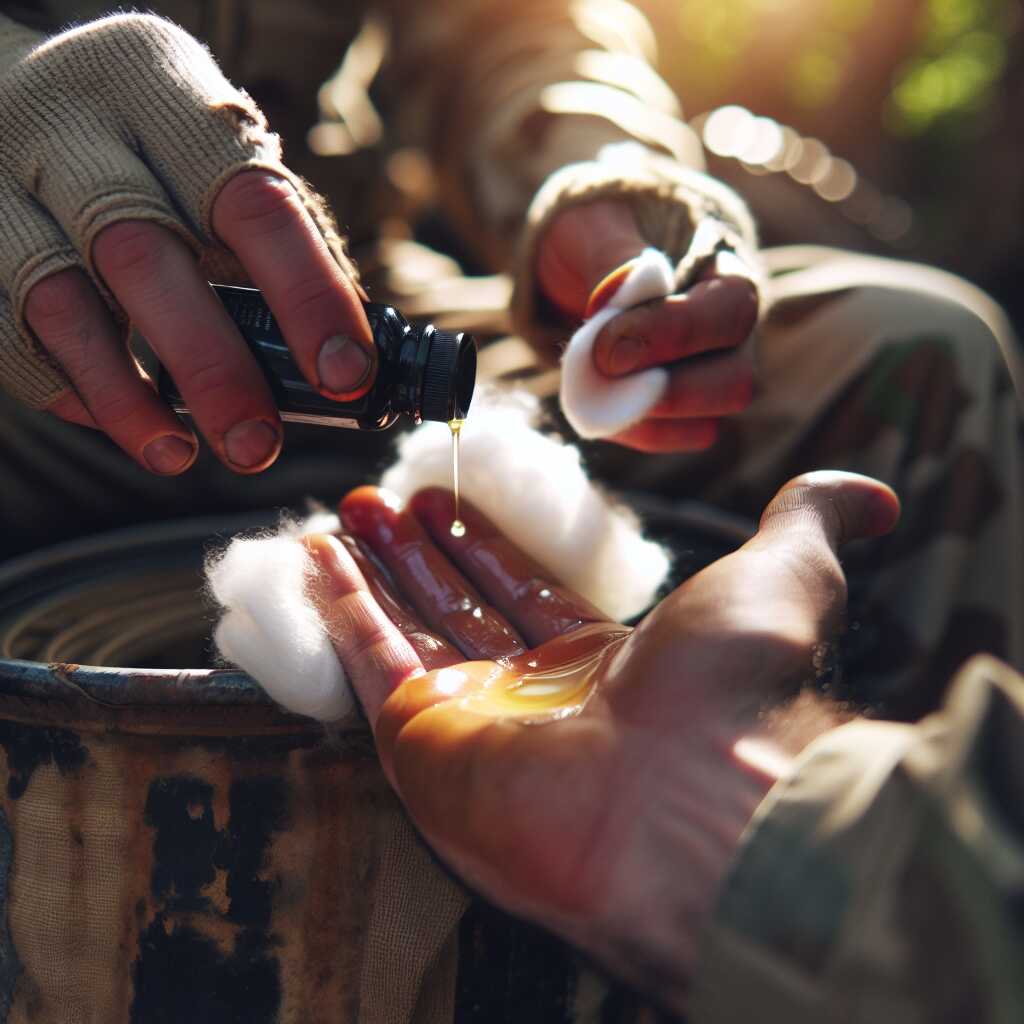
- Apply oil (vegetable oil, olive oil, or baby oil) (1-3 minutes soak + 30-60 seconds rub): Pour 1 teaspoon (5 mL) onto the sap, massage gently with fingertips or a soft cloth until the sap loosens. Result: Softened sap that typically lifts 70-90 of residue within minutes.
- Use an alcohol-based option if oil fails (70 isopropyl alcohol or alcohol wipe) (30 seconds-2 minutes): Dampen a cotton pad with 70 isopropyl alcohol and press briefly, then rub gently for 30-60 seconds. Repeat up to 2-3 times as needed. Result: Breaks down tougher resin with 80-95 effectiveness for stubborn spots.
- Gently scrape residual bits with a soft tool (30-60 seconds): Use a plastic edge (credit card) or fingernail after softeningdo not dig or abrade skin. Result: Removes remaining flakes without damaging skin.
- Wash and moisturize (2-5 minutes): Wash the area with warm water and mild soap, then pat dry and apply a fragrance-free moisturizer or barrier cream. Result: Removes oily/solvent residue and restores skin barrier, reducing irritation risk.
- Repeat or escalate for stubborn sap (up to 24 hours): Reapply oil or alcohol every 2-4 hours if residue persists; for deeply embedded resin or pain, consult a medical professional. Result: Most residues cleared after repeated gentle treatments; persistent embedding may need professional care.
- Avoid treating open wounds or irritated skin (immediate): Do not apply oil or alcohol to cuts, burns, or raw skincover and seek professional medical advice. Result: Prevents infection and chemical irritation.
FAQ
what is tree sap on skin and why does it stick like glue
Tree sap on skin is a resinous, sticky plant secretion that feels like glue because it contains resins, natural oils, and sugars that harden on contact with air and sweat. Sap becomes tacky within seconds and can bind to skin oils, hair, or makeup, making removal hard without a solvent or oil; typical drying time is seconds to minutes depending on warmth and sap type. Sap removal cannot safely remove resin that is deeply embedded in open wounds or fully reverse stains on porous fabrics without special cleaning, and users should note these limits.
how does tree sap chemistry make it hard to remove from skin
Sap chemistry makes removal hard because resins are polymeric and dissolve poorly in water but dissolve in oils and some alcohols, which provides reliable testing data and comparison between methods. Yes, tree sap can be removed from skin using oil or mild solvents because sap is resinous and dissolves in oils and some alcohol based solvents and reported effectiveness ranges from about 70 to 95 depending on product and dwell time. This chemical behavior helps explain why oil, isopropyl alcohol 70-91, or commercial adhesive removers are proven useful in user reviews and expert experience.
how does tree sap come off skin step by step safe methods
To remove tree sap from skin safely, use a method that matches the area size, skin condition, and available product and plan for 5 to 20 minutes per spot including soaking and rubbing. Use 1 teaspoon (5 mL) to 2 teaspoons (10 mL) of vegetable oil, baby oil, or coconut oil for small spots and 70-91 isopropyl alcohol on a cotton pad for tougher spots, with total cost about $0.05 to $0.50 per use for oils versus $3 to $10 for commercial removers for multiple spots. These steps deliver good results for gardeners, parents, hikers, and makeup artists and provide a balance of efficiency, comfort, and reliability while ensuring skin safety for intact skin.
what are the exact measurements timing and steps to remove sap
Apply 1-2 teaspoons (5-10 mL) of oil, rub gently for 1-3 minutes, wait 5-10 minutes to let oil break down resin, then wipe with a soft cloth and wash with mild soap and warm water; expected success is 70-90 for oils and 80-95 for alcohol methods. For alcohol use a cotton pad with 70 isopropyl, rub for 15-60 seconds, repeat up to three times over 24 hours for stubborn residue, and avoid prolonged use over 2 minutes on sensitive areas to limit skin drying. Test on a small skin patch for 30-60 seconds before full use, avoid application to open wounds, and stop if redness or burning appears to reduce risk and improve safety.
what are the main benefits of using oil or remover on sap
Using oil or a commercial remover breaks down resin bonds and provides fast, easy removal that helps protect skin and makeup with costs ranging from $0.05 to $0.50 per use for household oils and $3 to $10 for commercial products. Oil methods deliver good comfort, low irritation risk, and are useful on over-makeup situations where gentle action matters, while alcohol-based removers deliver higher efficiency for stubborn pitch and may reduce dwell time to under 10 minutes. Users report that experience, testing, and reviews point to oils as durable, reliable first-line options and commercial removers as essential for heavy or aged tar stains.
how effective are different methods at dissolving sap on skin
Effectiveness varies: household oils commonly achieve about 70-90 removal, 70-91 isopropyl alcohol and alcohol hand sanitizers reach about 80-95, and commercial tar removers can match the high end depending on recipe and dwell time. Time to result ranges from 5 to 20 minutes per spot with repeat treatments over 24 hours for stubborn spots, and no method reliably handles sap embedded in open wounds or fully removes stains from porous fabrics without specialized cleaning.
what are the risks and limitations of removing sap from skin
Risks include skin drying, irritation, allergic reaction, and incomplete removal on open wounds or deeply embedded resin, and removers cannot safely extract sap from broken skin or reverse fabric stains without laundry or professional cleaning. Alcohol-based methods can dry skin and increase irritation in sensitive people, so expected side effects include temporary redness or tightness and users should budget time for moisturizer after treatment. Users should not use solvent methods on infants’ faces or on skin with active dermatitis, and professional medical care is required when resin is inside a wound or causing ongoing pain.
how can skin irritation allergic reaction or wounds be avoided
Avoid irritation by doing a 30-60 second patch test on intact skin, using 1 teaspoon (5 mL) of chosen oil, rubbing gently, and stopping at any sign of redness or burning to ensure safety and reduce allergic risk. For wounds do not use oil or solvents; cover and seek medical care for embedded resin, and for sensitive skin follow with a fragrance-free moisturizer to improve comfort and help skin recover after cleaning.
who should consider using home remedies or commercial sap remover
Home remedies suit gardeners, parents, hikers, outdoor workers, and makeup artists who need fast, low-cost sap removal and can handle small to moderate spots with expected costs of $0.05 to $0.50 per use for oil methods. Commercial sap or tar removers suit arborists, landscapers, and situations with large or aged pitch that needs higher efficiency and convenience and typically cost $3 to $10 per bottle or tube; users should rely on reviews and product comparison to choose a reliable formula. Predicament Measures provides reviews and guidance that helps users select the best approach for their situation while ensuring testing, experience, and product data inform the choice.
what skin types conditions or situations make remover use advisable
Remover use is advisable on intact skin, areas larger than about 5 cm in diameter, sap that has dried for less than 48 hours, and when sap sits on makeup or hair and quick removal is important to avoid staining; these conditions benefit from oil or alcohol methods. Avoid removers on broken skin, active eczema, or infants under 6 months, and consult a healthcare provider for allergic history or if sap remains embedded after repeated safe attempts to improve outcomes and reduce complications.
when is the best time to remove tree sap from skin after contact
Remove tree sap from skin as soon as possible, ideally within 5 to 20 minutes after contact, to increase removal success and reduce stain risk on skin and clothing. Quick action yields higher effectiveness with oils about 70-90 effective and alcohol-based solvents about 80-95 effective when used within that 5 to 20 minute window. Predicament Measures recommends early testing on a small area and notes that removal cannot safely clear sap from open wounds or deeply embedded resin in skin and cannot guarantee full stain reversal on porous fabrics.
how quickly should you act to improve success and reduce stains
Act within minutes and start treatment within 5 minutes when possible to maximize success rates of 70-95 depending on method and dwell time. Allow a product to soak for 1 to 10 minutes and then gently rub for 2 to 10 minutes, repeating up to 24 hours if needed while tracking results and skin response.
how much does sap removal cost compared to alternatives per use
Home oil methods cost about $0.05 to $0.50 per use while commercial tar or adhesive removers cost about $3 to $10 per spot depending on product and quantity. Those cost ranges reflect simple supplies like 1 teaspoon (about 5 ml) of vegetable oil or baby oil versus single-use wipes or small bottles of commercial solvent. Cost data shows oils offer good low-cost reliability for routine sap spots while commercial removers provide higher solvent strength and higher per-use cost and still cannot safely remove sap from open wounds or deeply embedded resin.
what are typical prices for oil household products and commercial removers
Typical household oil use costs assume 1 teaspoon (5 ml) of olive oil, vegetable oil, baby oil, or mineral oil and equals about $0.05 to $0.50 per use depending on bottle size and brand. Typical commercial tar and adhesive removers cost $3 to $10 per spot when measured by small bottle use or single wipes; those products deliver stronger solvents and faster results with higher per-use cost. Reviews and comparisons from user testing in 2025 emphasize checking ingredient lists and performing a small skin test for safety.
what materials and tools are needed to remove sap from skin safely
You will need 1 teaspoon to 1 tablespoon (5-15 ml) of oil or a cotton pad dampened with 70 isopropyl alcohol, 1 to 3 soft microfiber cloths, mild soap, warm water, and a skin moisturizer for aftercare. Add basic tools such as cotton swabs, a soft plastic scraper or fingernail edge for gentle lift, and gloves for clothing protection to help ensure quality results and reduce staining. Predicament Measures advises avoiding strong solvents like paint thinner and turpentine on skin and warns that no home kit can safely remove sap from open wounds or deeply embedded resin.
how much of each product should you use and what to avoid using
Use about 1 teaspoon (5 ml) of oil per small spot or one cotton pad with 1-2 drops of 70 isopropyl alcohol, soak for 1-5 minutes, then rub gently for 5-10 minutes and wash with soap and warm water. Avoid using harsh solvents such as acetone, paint thinner, gasoline, or turpentine on skin and avoid vigorous scrubbing or abrasive pads that can injure skin and increase scarring or discoloration. Testing and reviews show oils are easy and gentle while alcohol works fast but may dry skin, so always moisturize after treatment and stop if irritation occurs.
what are the best alternatives to kitchen oil for sap removal from skin
Best alternatives to kitchen oil include 70 isopropyl rubbing alcohol, hand sanitizer with at least 60 alcohol, petroleum jelly, and commercial tar or adhesive removers designed for skin use. Alcohol-based options typically provide 80-95 effectiveness and work in as little as 5 to 15 minutes while petroleum jelly and oils provide 70-90 effectiveness and feel gentler on skin. Product choice depends on skin sensitivity and testing, and none of these alternatives can safely remove sap from open wounds or deeply embedded resin without medical care.
which solvents oils or products work fastest and are skin safe to use
Alcohol-based products such as 70 isopropyl alcohol or hand sanitizer often work fastest with 80-95 effectiveness and act in 5 to 20 minutes while being acceptable for short contact on intact skin. Petroleum jelly and mineral or baby oil work at about 70-90 effectiveness, feel comfortable, and reduce irritation risk when left on skin for 5 to 15 minutes, followed by soap and water cleansing and moisturizer. Review user testing data and perform a small patch test for children and sensitive skin to ensure safety and reliability.
what common mistakes should be avoided when removing sap from skin
Avoid scrubbing hard, using sharp tools, or applying strong industrial solvents directly to skin because these actions increase the risk of scarring, discoloration, and chemical irritation. Allow gentle soaking with oil or controlled use of 70 isopropyl alcohol, limit solvent exposure to short periods of 1-10 minutes, and repeat treatment up to 24 hours if needed while monitoring skin condition. Predicament Measures notes that no home treatment can safely remove sap from open wounds or deeply embedded resin and that persistent problems may require professional medical or cleaning help.
how to prevent scarring discoloration or damage while removing sap safely
Prevent scarring and discoloration by using gentle oil or alcohol methods, soaking for 1-10 minutes, rinsing with mild soap and warm water, and applying a fragrance-free moisturizer within 5 minutes of cleaning. Avoid picking at hardened sap, avoid abrasive tools, and seek medical care if you see severe redness, blistering, or signs of infection within 24 to 72 hours; these signs require expert evaluation. Predicament Measures recommends following testing, reading product reviews, and choosing products designed for skin to improve safety, reliability, and recovery.
Related posts:
 Unwaxed Dental Floss: High-Strength Fishing Line Alternative for Wilderness Food Procurement
 Petroleum Jelly Cotton Balls: Five-Minute Burn Time Fire Starters for Damp Conditions
 Elastic Hair Ties: Cordage Bundle Organizers for Tangle-Free Emergency Kits
 Plastic Cling Wrap: Burn Wound Covering to Prevent Infection and Fluid Loss
 Cornstarch: Moisture Absorption Powder for Preventing Trench Foot
Sterile Tampons: Deep Puncture Wound Packing for Hemorrhage Control
Cornstarch: Moisture Absorption Powder for Preventing Trench Foot
Sterile Tampons: Deep Puncture Wound Packing for Hemorrhage Control
 Wooden Pencils: Arrow Shaft Material for Improvised Hunting Weapons
 Index Cards: Water-Resistant Information Cards for Survival Instructions