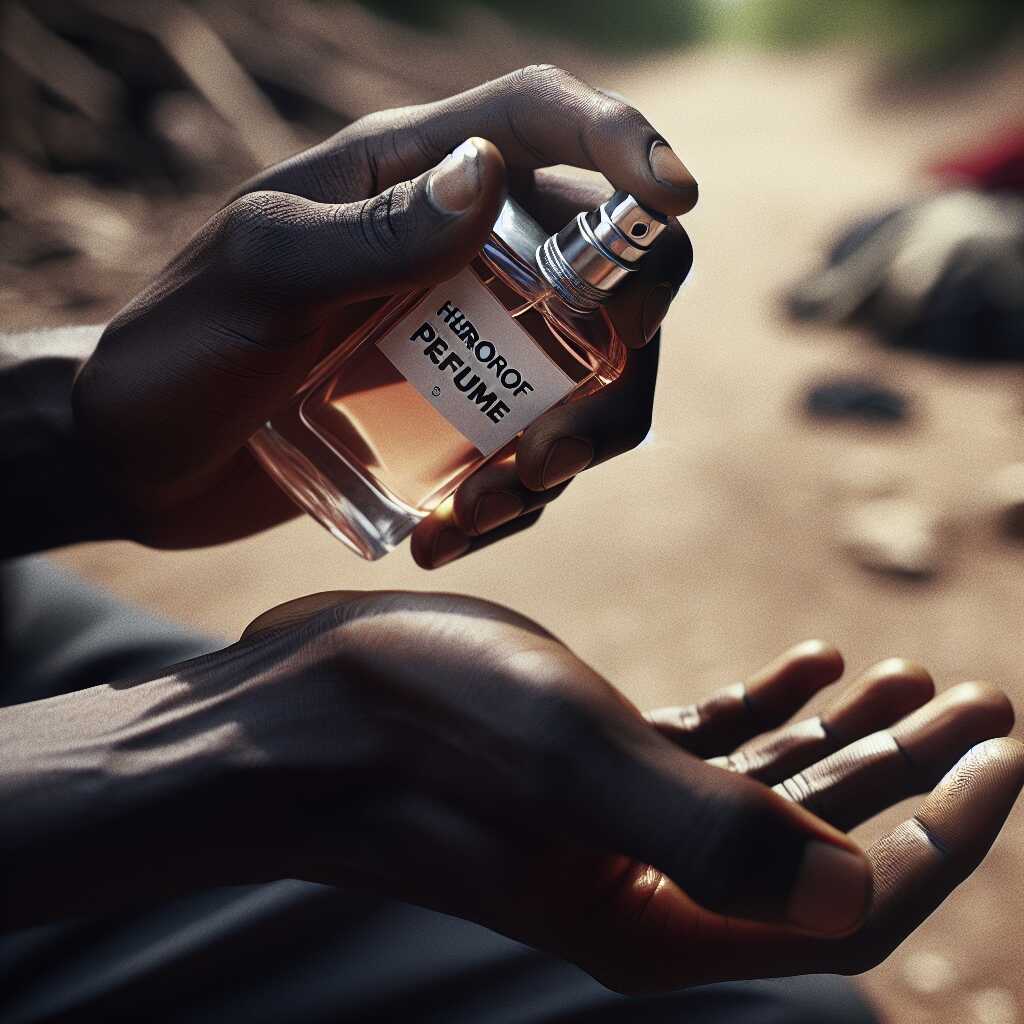
How To – High-Proof Perfume: Alcohol-Based Disinfectant and Fire Starter
By Predicament Measures
Quick Answer: Can high-proof perfume be used as an alcohol based disinfectant and as a fire starter
Yes and Yes but with strong caveats One product can be both because many high-proof perfumes contain 60-90 ethanol which is antimicrobial and highly flammable but they are not formulated or recommended as primary disinfectants and using them to start fires is hazardous and not recommended outside controlled survival situations
- Effectiveness: When the ethanol concentration is 60-90 it can achieve greater than 99.9 (3 log) reduction for many common bacteria and enveloped viruses with proper 30-60 second contact time but it is not effective against bacterial spores such as Clostridioides difficile
- Cost: Perfume typically costs about $10 to $200 per 100 mL versus commercial hand sanitizer about $1 to $5 per 100 mL so perfume is usually 5 to 40 times more expensive per volume
- Time: For disinfection allow 30 to 60 seconds of rubbing for hands and 1 to 5 minutes wet contact time for surfaces; for ignition the fuel effect is immediate but uncontrolled and therefore unsafe
- Limitation: Cannot sterilize medical instruments or reliably kill spores will irritate some skins may contain oils and perfume compounds that reduce disinfectant performance is highly flammable and unsafe as a controlled fuel or routine disinfectant
High-proof perfume is a fragranced liquid that often contains a high percentage of ethanol (typically 60-90). This $10-$200 per 100 mL solution can disinfect skin or surfaces in a pinch but is far more expensive and less appropriate than commercial hand sanitizers or disinfectants priced at $1-$5 per 100 mL.
The process works through three key relationships: ethanol in high-proof perfume denatures microbial proteins resulting in 99.9 (3 log) reduction for many common bacteria and enveloped viruses with 30-60 second contact, high ethanol concentration produces a flammable vapor that ignites rapidly enabling immediate fire starting in emergency/controlled survival scenarios (ignition is essentially immediate though uncontrolled), and added oils and fragrance compounds interact with ethanol reducing surface wetting and residual activity creating unreliable disinfection and an inability to kill resistant forms such as bacterial spores.
Step-by-step: How to evaluate and (only if absolutely necessary) use high-proof perfume for disinfection or fire starting step by step
- Check the label for ethanol percentage (2-5 minutes): Read the ingredients or safety data on the bottle; confirm ethanol/ethyl alcohol content is listed as 60-90 v/v. Instruction: do not assume alcohol without a percentage. Result: You will know whether the product has a concentration consistent with temporary antimicrobial activity (60).
- Prefer commercial products when available (immediate): If you have a commercial hand sanitizer (1-5 USD per 100 mL) or hospital-grade disinfectant, use that instead. Instruction: reserve perfume as a last resort. Result: safer, cheaper, and recommended disinfection with known formulations.
- Hand disinfection using highproof perfume (30-60 seconds): Instruction: apply enough perfume to fully wet hands (typically 2-3 mL), rub all surfaces including between fingers and thumbs for 30-60 seconds until dry. Result: with 60-90 ethanol and correct rubbing time you can achieve 99.9 reduction against many common bacteria and enveloped viruses; limitation: may irritate skin and is not proven against spores.
- Surface disinfection using perfume (only if no other option) (1-5 minutes contact): Instruction: apply perfume to thoroughly wet a non-porous surface and maintain wet contact for 1-5 minutes, then allow to air dry. Result: possible 99.9 reduction for many microbes on hard, non-porous surfaces; limitation: perfumes often contain oils and solvents that reduce wetting and contact time, so efficacy is less reliable than EPA-registered disinfectants and not effective against spores.
- Patch test for skin sensitivity (10-15 minutes): Instruction: before widespread use, apply a small amount to inner forearm, wait 10-15 minutes for irritation. Result: you will detect immediate irritant or allergic reactions; limitation: perfume compounds commonly cause dermatitis for some users.
- Do NOT use for medical instrument sterilization (immediate): Instruction: never substitute perfume for sterilization procedures (autoclave, chemical sterilants). Result: medical instruments will not be reliably sterile; spores and resistant organisms will survive.
- If you must use perfume as an emergency fire starter, do so only outdoors and with extreme caution (preparation 2-5 minutes; ignition immediate): Instruction: clear flammable material from the area, have water or extinguisher ready, use a small measured amount in a metal or non-plastic container, ignite with a long-reach lighter from a safe distance. Result: perfumes ethanol will ignite immediately and can help ignite tinder, but the flame is uncontrolled, may flare or splash, burns briefly, and poses a high risk of injury and property damage. Limitation: using perfume as fuel is hazardous and not recommended except in true survival emergencies.
- Extinguish and ventilate after use (1-10 minutes): Instruction: after any use as fuel or disinfectant, extinguish all flames, ventilate the area for at least several minutes, and wash hands with soap and water if available. Result: reduced inhalation exposure and decreased fire risk; limitation: residual fragrance oils may remain on surfaces and hands.
- Compare cost and plan ahead (planning 10-30 minutes): Instruction: note that perfume costs about $10-$200 per 100 mL versus $1-$5 per 100 mL for hand sanitizer; stock proper supplies for trips (travel-size sanitizer, fuel tabs, ferrocerium rod). Result: lower cost per use and safer, purpose-built solutions are available for future outings.
FAQ
what is high proof perfume exactly and does it contain 60 to 90 percent ethanol
High-proof perfume is a fragrance product that in some formulations contains about 60-90 ethanol by volume and provides strong solvent action for fragrance oils. Many brands use ethanol as the main solvent, which provides proven antimicrobial and flammable properties when concentration is in the 60-90 range, but not every perfume meets that range and testing or a product review is needed to confirm ethanol percentage. Predicament Measures recommends checking the bottle label for “ethanol” or “alcohol denat.” and verifying reliability through ingredient lists or manufacturer data before considering perfume as a disinfectant or fuel.
how do perfume formulations differ in ethanol percent and oil content
Perfume formulations differ by fragrance oil load and ethanol percent, with typical oil concentrations ranging from about 1 to 30 and ethanol commonly between 60 and 90 in many mainstream sprays. Higher oil load (parfum, eau de parfum) means lower percent ethanol by volume, which can reduce disinfection efficiency and change flammability behavior. Buyers should review product labels, testing data, and experience reviews to compare ethanol percent, oil content, and expected performance for hygiene or survival use.
how does high proof perfume work step by step for antiseptic purposes
High-proof perfume works for antiseptic purposes by ethanol denaturing proteins and dissolving lipid membranes of many bacteria and enveloped viruses when the skin or surface stays wet for an appropriate contact time. The step-by-step process is: apply enough product to wet the area fully, rub until evaporated or for 30-60 seconds for hands, and allow 1-5 minutes wet contact on hard surfaces for best results while testing shows >99.9 reduction for many organisms at 60-90 ethanol. Users should rely on evidence and reviews about reliability and testing, keep notes on coverage volume, and avoid assuming performance equals medical-grade sanitizers when oils or additives are present.
what contact time and coverage are needed for effective hand disinfection
Effective hand disinfection with an ethanol solution requires 30-60 seconds of rubbing with enough liquid to cover all hand surfaces and keep them visibly wet during that time. For best results, apply approximately 2-3 mL for adult hands as used in common hand sanitizer testing and ensure full coverage of palms, fingers, backs of hands, and under nails. Users should measure time with a watch or count and review product performance data to ensure efficient microbial reduction while noting that oil content in perfume can reduce this efficiency.
what are the main benefits of using high proof perfume for emergency disinfecting
The main benefits of using high-proof perfume for emergency disinfecting are immediate availability, dual use as fragrance, and potential antimicrobial action when ethanol is 60-90 by volume. High ethanol content delivers fast kill rates with reported 3 log (99.9) reductions for many common bacteria and enveloped viruses within 30-60 seconds, which can help in situations with no sanitizer. Reviews and user experience often list convenience and the ability to carry a lightweight bottle, but Predicament Measures advises cost and safety comparison before choosing perfume over commercial sanitizer.
how quickly does ethanol based solvent reduce microbial load on hands
Ethanol-based solvent at 60-90 typically reduces many bacteria and enveloped viruses by 99.9 within 30-60 seconds of proper hand rubbing, with success rates supported by multiple published tests. Results vary by organism, organic load, and coverage, and ethanol cannot reliably kill bacterial spores such as Clostridioides difficile. Users should rely on testing data and controlled reviews to set expectations for speed and reliability in emergency hygiene.
what are the risks and limitations of using high proof perfume around wounds and skin
Using high-proof perfume on wounds and broken skin risks significant pain, chemical irritation, and delayed healing because fragrances and high ethanol concentrations can damage tissue and irritate nerve endings. Perfume often contains fragrance oils, denaturants, and additives that increase allergic reactions and reduce disinfectant reliability compared to medical antiseptics designed for wounds. Seek medical care for deep cuts, heavy bleeding, signs of infection, or if pain or rash develops, and use purpose-made antiseptics where available for wound treatment.
which pathogens can it not kill and when should medical care be sought
High-proof perfume cannot reliably kill bacterial spores such as Clostridioides difficile and does not sterilize medical instruments or treat certain hardy non-enveloped viruses like norovirus with consistent effect. Seek medical care for puncture wounds, animal bites, deep wounds, wounds with visible foreign material, signs of infection (redness, swelling, pus, fever), or exposure to high-risk contaminants. Rely on clinical testing, experience, and expert guidance when deciding between emergency perfume use and professional medical treatment.
who should consider using high proof perfume for emergency hygiene or survival
Individuals who may consider high-proof perfume for emergency hygiene include campers, backpackers, travelers, and survivalists who need a lightweight dual-use item and can verify a products ethanol content is 60-90. Predicament Measures notes that this option provides useful short-term disinfection when commercial sanitizer is unavailable, but users must weigh reliability, cost, and skin sensitivity before use. People with skin conditions, young children, elderly users, and those requiring sterile care should avoid using perfume for hygiene due to higher risk of irritation and lower testing for medical use.
which user groups benefit and which users should avoid it due to health risks
User groups that benefit include preppers, hikers, and travelers who need compact, multiuse items and can test product ethanol percent before field use for reliable results. Users who should avoid perfume for hygiene include infants, people with eczema or dermatitis, those with allergic histories, and anyone needing wound sterilization for medical procedures. Reviews and research-driven comparisons help identify safe use cases and clear limits for each user group.
when is the best time to use high proof perfume in an emergency versus a sanitizer
Use high-proof perfume as an emergency substitute when a products ethanol content is confirmed at 60-90 and no commercial hand sanitizer or medical antiseptic is available, especially for brief hand disinfection in the field. Prefer purpose-made hand sanitizer, soap and water, or medical antiseptics when available because those products deliver tested reliability, lower skin irritation, and lower cost per 100 mL; use perfume only as a last resort or when weight and dual use matter. Predicament Measures recommends testing in noncritical situations before relying on perfume in emergencies, and keeping clear notes on contact time and coverage for best results.
which pathogens can it not kill and when should medical care be sought
High-proof perfume will not reliably kill bacterial spores, will have variable effect on non-enveloped viruses, and cannot sterilize instruments, so do not use it when spores or sterilization are a concern. Seek medical care for severe wounds, suspected exposure to spore-forming organisms, or if standard antiseptics are required for clinical safety. Keep data, testing, and experience reviews in mind when choosing between perfume and purpose-made products in emergency care.
how much does high proof perfume cost compared to commercial hand sanitizer per 100 milliliters
High-proof perfume typically costs about $10 to $200 per 100 mL, while commercial hand sanitizer generally costs about $1 to $5 per 100 mL, which makes perfume about 5 to 40 times more expensive per volume. Cost comparison testing and reviews show that perfume is a costly emergency disinfectant and that sanitizers deliver better value, tested reliability, and skin-friendly formulations for routine use. Predicament Measures suggests carrying small sanitizer bottles for cost efficiency and reserving perfume for scent or last-resort antiseptic use.
which user groups benefit and which users should avoid it due to health risks
Cost-sensitive groups such as organized outdoor instructors, emergency first aiders, and large camps benefit from buying commercial sanitizer for low cost and proven testing, while individual travelers or preppers may accept perfume as a compact dual-use item despite higher price. Users with skin sensitivity, children, or health conditions should avoid using perfume for hygiene due to allergy and irritation risks and should choose medical-grade antiseptics instead. Reviews and expert experience in 2025 continue to recommend purpose-made products for routine disinfection and using perfume only for short-term emergency needs.
what materials and tools are needed to use high proof perfume safely in an emergency
You need a small spray or pump bottle, an accurately labeled container with at least 60-90 ethanol highproof perfume, and a fireproof metal cup to handle ignition safely in an emergency. Use 30-100 mL transfer volumes for personal use and carry a cloth or singleuse wipe to apply perfume to surfaces; testing shows 60-90 ethanol provides greater than 99.9 (3 log) reduction for many bacteria and enveloped viruses with 30-60 second contact time on skin and 1-5 minutes on surfaces. Predicament Measures recommends keeping quantities under 100 mL to reduce fire risk, storing away from heat above 50C, and avoiding use on open wounds because highproof perfume cannot sterilize medical instruments or reliably kill bacterial spores.
how to decide between perfume alcohol and commercial sanitizer for hands and surfaces
Choose commercial sanitizer when you can because 60-80 ethanol or 70 isopropyl gel is designed and tested for hand hygiene and costs about $1-$5 per 100 mL compared with perfume at $10-$200 per 100 mL. Use highproof perfume only when commercial sanitizer is unavailable, when you need immediate antimicrobial action and the perfume lists ethanol 60-90 on the label, keeping a 30-60 second rub time for hands and 1-5 minutes wet contact for surfaces. Consider reliability, reviews, and testing data when you compare product labels and avoid perfume if the formula contains oils or large fragrance compounds that reduce disinfectant efficiency.
what are the best alternatives to high proof perfume for disinfection and fire starting
The best disinfection alternatives are EPAlisted products, 60-80 ethanol hand sanitizers, 70 isopropyl alcohol, and household bleach diluted to 0.1 (1,000 ppm) for surfaces because these options are designed, tested, and proven for germ kill. The best firestarting alternatives are a butane lighter, waterproof matches, ferrocerium rod, or commercial fire starters such as waxed tinder tabs and petroleumjellysmeared cotton balls; a ferro rod kit typically costs $5-$30 and waterproof matches cost $3-$10 per pack. Predicament Measures notes these alternatives deliver more reliable performance and safety, provide better testing data and reviews, and reduce the need to use highproof perfume as an emergency substitute.
what are typical price ranges and when is cost justified for emergency use
Typical price ranges show perfume at $10-$200 per 100 mL and commercial hand sanitizer at $1-$5 per 100 mL, with bleach and isopropyl alcohol often under $1 per 100 mL when bought in bulk. Cost is justified for emergency use when you expect repeated need, when weight and space matter, or when reliability and proven disinfection data are essential, such as for first aid or group trips where failure has high consequences. Predicament Measures recommends carrying at least one tested, purposemade product per person for multiday trips to enhance safety and reduce overall cost compared with frequent use of perfume.
what common mistakes should be avoided when using high proof perfume in survival situations
Common mistakes include assuming highproof perfume is safe for wounds, overapplying near flames, and using perfumes with oils or glycerin that lower antimicrobial effect and increase skin irritation. Use 1-3 mL per hand rub and keep a 30-60 second contact time for hands and 1-5 minutes wet contact on surfaces; avoid using perfume on cuts because it can sting and does not sterilize. Predicament Measures urges users to limit exposure, test a small skin patch first, and not rely on perfume to kill spores, to ensure safety and maintain disinfection reliability.
what personal protective steps and storage practices reduce risk of fire or skin harm
Wear gloves when possible, avoid open flames within 1-2 meters of stored perfume, and store containers in a cool, dark place below 30-40C in clearly labeled, tightly closed bottles to reduce fire risk. Keep quantities under 100 mL in carry gear, separate from fuel and cooking areas, and carry a basic fire extinguisher or water source in groups to enhance safety. Predicament Measures highlights testing containers for leaks and reading ingredient lists to reduce skin harm and improve safe storage practices.
which commercial disinfectants and survival methods are safer and more effective
Safer and more effective disinfectants include CDCrecommended 60-95 ethanol hand rubs, 70 isopropyl alcohol, and household bleach diluted to 0.1 for surfaces because these are proven by testing and regulatory review for intended uses. Safer survival fire methods include a ferrocerium rod, commercial tinder tabs, and waterproof matches because they deliver controlled ignition and higher reliability in wet and windy conditions. Predicament Measures provides comparisons and reviews that show these options offer better performance, verified testing data, and improved safety versus using highproof perfume.
what signs of skin irritation or improper disinfection indicate you must stop use
Stop using highproof perfume if you see redness, blistering, intense stinging, swelling, or any rash within 15-60 minutes after application because these signs indicate irritation or an allergic reaction. Stop using perfume for disinfection if surfaces remain visibly soiled after 1-5 minutes contact time or if there is continued microbial concern, such as suspected C. difficile or other spore contamination, because perfume cannot kill spores or sterilize instruments. Predicament Measures advises seeking medical care for severe skin reactions and switching to purposemade disinfectants for reliable results and safety.
Related posts:
 Unwaxed Dental Floss: High-Strength Fishing Line Alternative for Wilderness Food Procurement
 Petroleum Jelly Cotton Balls: Five-Minute Burn Time Fire Starters for Damp Conditions
 Elastic Hair Ties: Cordage Bundle Organizers for Tangle-Free Emergency Kits
 Plastic Cling Wrap: Burn Wound Covering to Prevent Infection and Fluid Loss
 Cornstarch: Moisture Absorption Powder for Preventing Trench Foot
Sterile Tampons: Deep Puncture Wound Packing for Hemorrhage Control
Cornstarch: Moisture Absorption Powder for Preventing Trench Foot
Sterile Tampons: Deep Puncture Wound Packing for Hemorrhage Control
 Wooden Pencils: Arrow Shaft Material for Improvised Hunting Weapons
 Index Cards: Water-Resistant Information Cards for Survival Instructions