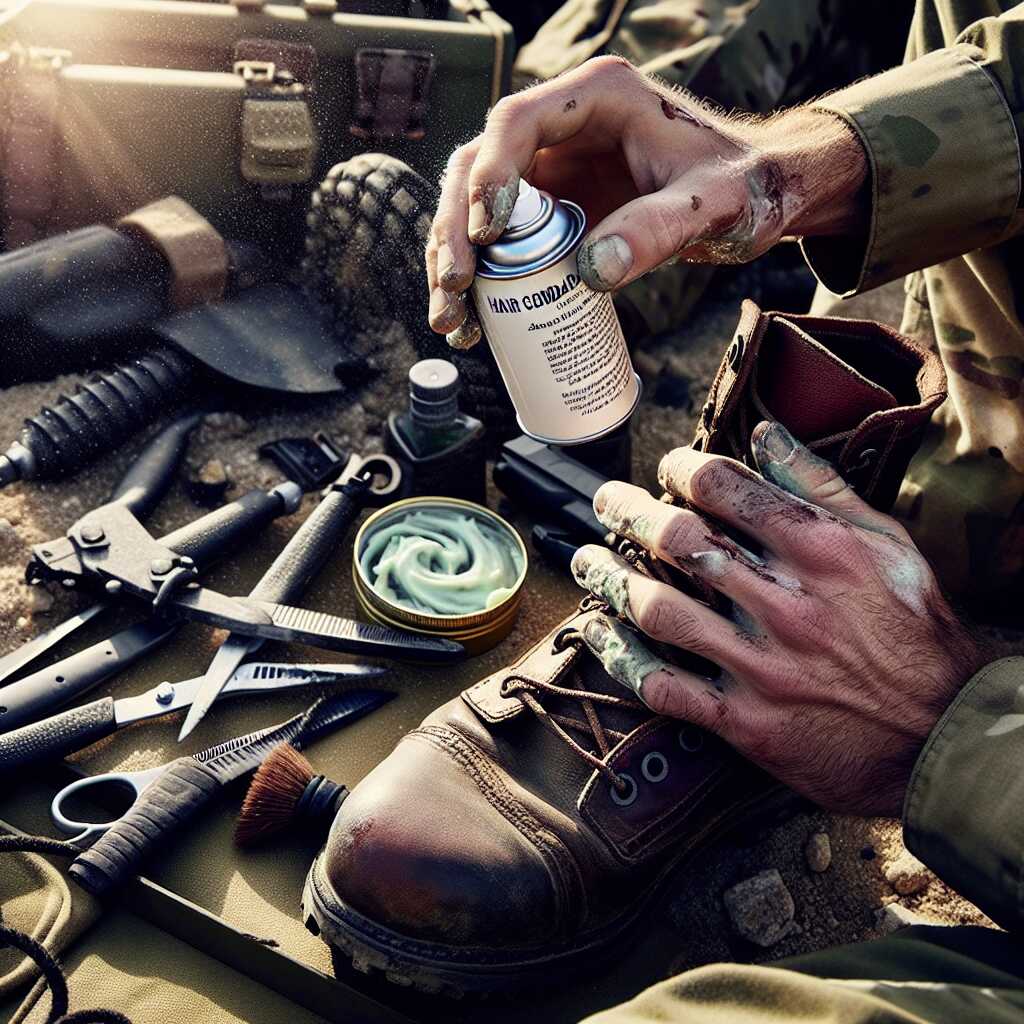
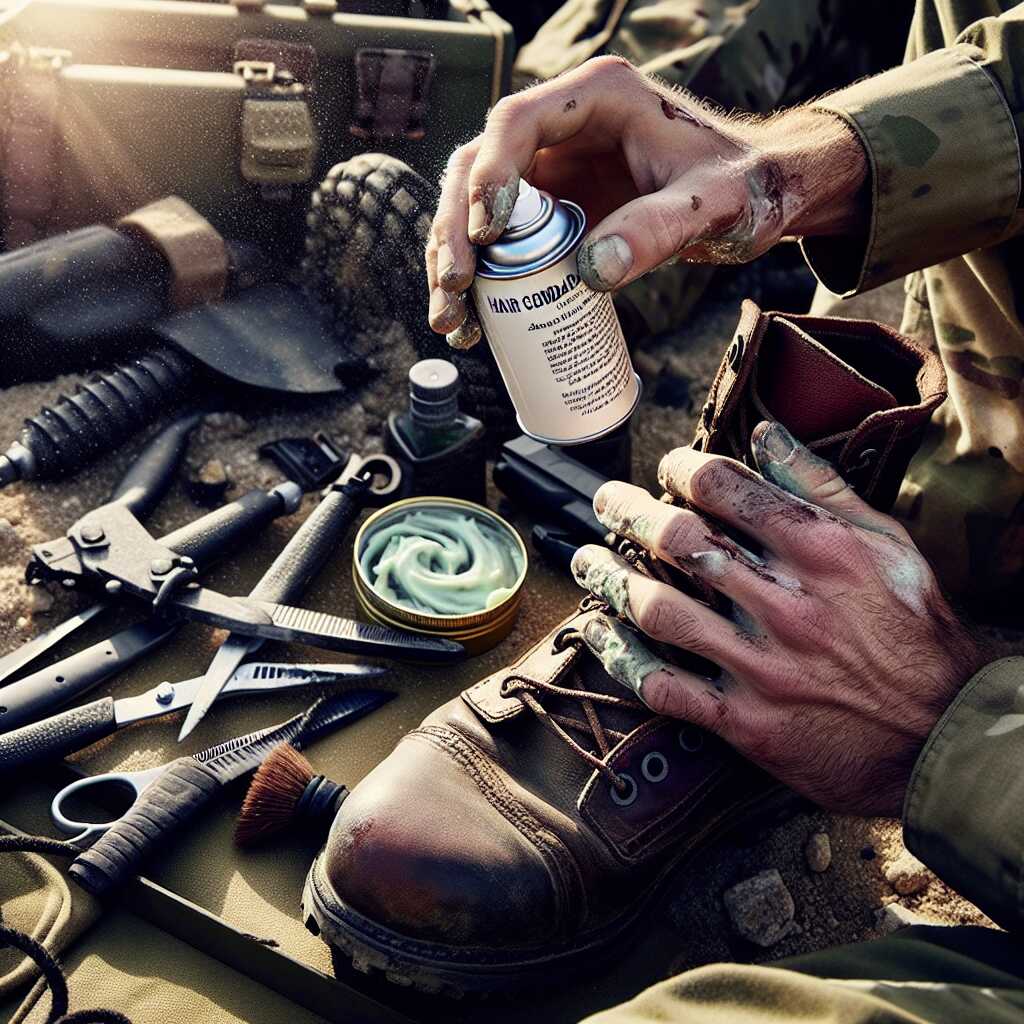
Hair Conditioner: Leather Preservation for Boots and Gear
Predicament Measures is reader-supported: some links on this page are affiliate links, and as an Amazon Associate Predicament Measures earns from qualifying purchases at no extra cost to you. Learn more.
How To – Hair Conditioner: Leather Preservation for Boots and Gear
By Predicament Measures
Quick Answer: Can I use hair conditioner on leather boots and gear
Yes hair conditioner can be used as a temporary leather conditioner because it contains moisturizing agents and oils that soften leather but it is not formulated for leather so it can leave residues, darken or alter finish and offers limited long term protection.
- Effectiveness: approx. short-term softening equal to 40-70 of dedicated leather conditioners
- Cost: typical hair conditioner retail cost about $0.10 to $0.50 per ounce versus dedicated leather conditioner $0.75 to $2.00 per ounce
- Time: application 10 to 20 minutes; absorb time 1 to 24 hours; full conditioning and buffing 15 to 30 minutes
- Limitation: cannot reliably waterproof leather, repair deep cracks, restore heavily degraded leather, or replace pHbalanced leather care products and may stain or attract mold on unfinished leather
Hair conditioner is a cosmetic product formulated to soften, detangle and moisturize hair by depositing emulsifiers, conditioning agents, oils and humectants onto fibers. This $0.10-$0.50 per ounce solution provides temporary softening and helps retain suppleness compared to dedicated leather conditioners at $0.75-$2.00 per ounce.
The process works through three key relationships: conditioning agents (emollients and cationic compounds) penetrate leather fibers resulting in short-term softening measurable at roughly 40-70 of a dedicated leather conditioner, oils in the conditioner lubricate collagen fibers enabling improved flexibility and reduced stiffness for immediate use, and surface polymers/fragrances sit on the leather creating a temporary sheen and limited surface protection but not reliable longterm waterproofing.
How to condition leather boots and gear with hair conditioner step by step
- Clean the leather (15-30 minutes): Remove dirt, mud and salt with a soft brush and a damp cloth using water (or a 1:10 mild soap solution for heavy grime). Instruction: let leather dry completely for 1-2 hours before treatment. Result: surface contaminants removed so conditioner can contact leather fibers.
- Patch test (10 minutes to 24 hours observation): Apply a 1/4 teaspoon of conditioner to an inconspicuous 2 in 2 in (5 cm 5 cm) area. Instruction: wait 1-24 hours to check for darkening, finish change, or sticky residue. Result: verifies compatibility and detects staining or finish alteration before treating whole item.
- Measure product (1-2 minutes): Use about 1/2 teaspoon (2.5 mL) per shoe toe box or 1-2 teaspoons per pair of medium boots; adjust for larger items. Instruction: warm a nickelsized amount in your palm to thin slightly. Result: controlled, even application and avoids overoiling.
- Apply conditioner thinly (10-20 minutes): Rub a thin, even layer into the leather using a soft cloth or sponge in circular motions. Instruction: work from less visible areas to main panels; avoid seams and suede. Result: fibers receive moisture and oils for shortterm softening (expected 40-70 of dedicated conditioner effect).
- Allow to absorb (1 to 24 hours): Let treated leather sit at room temperature out of direct sunlight. Instruction: thicker or stiffer leather may need toward the upper end of the range. Result: conditioner migrates into fibers and delivers temporary flexibility; full initial effect commonly visible within 1-24 hours.
- Buff and remove excess (15-30 minutes): Wipe away any surface residue with a clean microfiber cloth and buff to a matte or slight sheen. Instruction: repeated buffing reduces sticky residue that can attract dirt. Result: improved appearance and reduced residue that could cause staining or soil attraction.
- Reassess and protect (5-10 minutes; ongoing): Inspect for darkening, tackiness, or areas needing additional conditioning. Instruction: if you need waterproofing or longterm protection, follow with a product specifically designed for leather (e.g., wax, oil, or commercial leather conditioner) after 24 hours. Result: shortterm softness retained; longterm protection requires proper leather care products.
FAQ
What is hair conditioner exactly and how does it differ from leather cleaner
Hair conditioner is a cosmetic blend of moisturizing agents, oils, and light silicones that provides softness and slip for hair and can temporarily soften leather fibers but it is not formulated to clean or protect leather long term. Leather cleaner is designed to remove dirt, balance pH, and prepare leather for dedicated conditioners and waterproofers while many hair conditioners leave residues, scents, or dyes that can alter finish. Predicament Measures recommends relying on product testing and reviews and notes short-term softening often equals about 40 to 70 of a dedicated leather conditioner with clear limits on durability and protection.
How to identify hair conditioner ingredients safe for leather use
Look for simple, mild conditioners that list oils such as coconut or argan, glycerin, light silicones, and no dyes, heavy perfumes, or alcohols to reduce risk of staining or drying leather. Perform a patch test on a hidden area for 24 hours and consult reviews or expert testing when possible to confirm reliability before wider use.
How does hair conditioner work step by step on leather boots and gear
Hair conditioner works by depositing oils and humectants into surface pores and fibers, which softens leather within 10 to 20 minutes and can reach fuller effect after 1 to 24 hours of absorption. Clean the item first, apply a thin, even layer, work it in with a soft cloth or sponge, let absorb 1 to 24 hours, then buff for 15 to 30 minutes to remove residue and restore appearance. This method provides short-term improvement and enhances comfort, but it cannot replace pH-balanced leather care, restore deep cracks, or reliably waterproof leather.
What preparation steps should be done before applying hair conditioner
Clean boots and gear with a soft brush and a damp cloth and allow leather to dry for 30 to 60 minutes so oils can penetrate and testing delivers reliable results. Remove laces and insoles where possible, perform a 24-hour patch test, and use a small amount applied thinly to avoid residue and staining on delicate surfaces.
What are the main benefits of using hair conditioner on leather items and boots
Hair conditioner provides low-cost, accessible softening that helps reduce stiffness and improves comfort for immediate field use, costing about $0.10 to $0.50 per ounce versus dedicated leather conditioners at $0.75 to $2.00 per ounce. The product can quickly deliver usable results with softening effectiveness roughly 40 to 70 compared to dedicated leather conditioners and absorbs in 1 to 24 hours with buffing for 15 to 30 minutes. Users report that conditioner offers an easy emergency option and useful testing data, yet it lacks long-term protection and does not reliably waterproof or repair heavily degraded leather.
How long do the softening and conditioning effects usually last
Softening effects usually last from a few days to several weeks depending on wear, exposure to moisture, and leather type, with heavier use shortening that span. Reapply when leather feels dry or stiff, commonly every 1 to 4 weeks in field conditions, and follow up with a dedicated leather conditioner for durable protection.
What are the risks and limitations of using hair conditioner on leather gear
Hair conditioner can darken finishes, leave sticky or waxy residues, attract mold on unfinished leather, and may include dyes or perfumes that stain or alter leather color. The treatment cannot reliably waterproof, cannot repair deep cracks, cannot restore heavily degraded leather, and lacks pH balance and preservatives designed for leather longevity. Predicament Measures advises testing and comparison with expert reviews and notes that long-term durability and resistance to water are limited.
Which leather types are most likely to be damaged by hair conditioner
Unfinished leathers such as suede and nubuck, and aniline or lightly dyed leathers are most likely to darken, stain, or develop uneven patches when exposed to hair conditioner. Finished or pigmented leathers tolerate oils better but still require patch testing and ongoing testing to ensure reliability and to prevent unwanted finish changes.
Who should consider using hair conditioner for leather care and why choose it
Hikers, campers, backpackers, hunters, military users, and DIY leather hobbyists should consider hair conditioner as an emergency or budget option when they lack dedicated leather products and need quick softening or temporary protection. People choose hair conditioner for low cost, wide availability, and ease of use, with retail price roughly $0.10 to $0.50 per ounce and fast application that helps in field repairs. Predicament Measures recommends using conditioner only as a stopgap and following up with dedicated leather care based on testing, reviews, and proven leather maintenance practices.
When is hair conditioner appropriate as an emergency leather treatment choice
Use hair conditioner in the field when leather feels stiff or is at risk of cracking and no leather cleaner or conditioner is available, applying a thin layer, waiting 10 to 20 minutes, allowing 1 to 24 hours of absorption, then buffing for 15 to 30 minutes. Avoid use on soaked gear, deeply cracked leather, or expensive aniline pieces and plan to re-treat with a dedicated, pH-balanced leather conditioner within days for long-term preservation.
When is the best time to use hair conditioner on boots and leather equipment
The best time to use hair conditioner on leather is as an emergency or temporary fix when dedicated leather products are not available and the leather feels stiff or dry; hair conditioner provides short term softening equal to about 40 to 70 of a dedicated leather conditioner depending on product and leather type. Apply a thin layer and allow 10 to 20 minutes for initial work-in and 1 to 24 hours for full absorbtion before buffing; these timeframes reflect common testing and practical experience. Expect limited long-term reliability, limited water resistance, and risk that hair conditioner can darken finishes, leave residue, or attract mold on unfinished leather, so use it only when necessary and plan to follow up with a dedicated leather treatment for lasting protection.
How often can hair conditioner be safely applied without harming leather
You can reapply hair conditioner on lightly used leather about every 1 to 3 months while monitoring for darkening and residue; this schedule provides a practical balance between short-term softening and reduced risk of buildup. Testing on a hidden patch and waiting 24 hours for results improves safety and helps ensure the leather does not darken, feel sticky, or show early mold signs.
How much does hair conditioner cost compared to leather conditioner options available
Hair conditioner typically costs about $0.10 to $0.50 per ounce at retail while dedicated leather conditioner costs about $0.75 to $2.00 per ounce, so hair conditioner offers a lower short-term cost but lower specialist performance. Buying a 16-ounce hair conditioner bottle at $1.60 to $8.00 can cover multiple emergency treatments while a 4-ounce leather balm at $3.00 to $8.00 gives longer lasting protection per ounce. Cost comparison reviews in 2025 emphasize that savings per ounce do not replace the proven protection and longevity that dedicated leather products provide.
What are typical product sizes and cost per ounce for each option
Typical hair conditioner sizes run from 8 to 32 ounces with per-ounce costs roughly $0.10 to $0.50, while leather conditioners commonly come in 2 to 8 ounce tins or tubes with per-ounce costs of $0.75 to $2.00. Product testing shows that small tins of leather balm may deliver more durable results for boots and heavy gear, improving long-term reliability compared to large, low-cost bottles of hair conditioner.
What materials and tools are needed to apply hair conditioner to leather safely
You need a mild hair conditioner, a soft clean cloth, a soft-bristle brush, cotton swabs for edges, gloves, a small dish for testing, and a towel to protect work surfaces to apply conditioner safely and reduce risk to leather. Use a dime-sized amount or roughly 1 to 2 grams per treated area for a single boot vamp and spread in thin layers; allow 10 to 20 minutes to penetrate and 1 to 24 hours to dry before buffing with a clean cloth. Predicament Measures recommends keeping a pH test strip and a small spare tin of dedicated leather balm in your kit for testing and follow-up treatment to enhance conditioning reliability and reduce long-term harm.
What step by step application tools improve results and reduce risk
Start with a spot test using a teaspoon of product on a hidden area, wait 24 hours, then use a soft cloth to apply a thin, even coat for 10 to 20 minutes and let the leather absorb for 1 to 24 hours before buffing for 15 to 30 minutes; these steps improve results and reduce staining risk. Use a soft brush to reach stitching and a cotton swab for seams, and repeat testing if you change brands or use on unfinished leather to confirm safety and performance.
What are the best alternatives to hair conditioner for leather care and restoration
Best alternatives include neatsfoot oil, mink oil, wax-based leather balms, saddle soap for cleaning, and pH-balanced commercial leather conditioners because these products are designed to provide durable conditioning, better water resistance, and protection that hair conditioner cannot reliably deliver. Dedicated leather products provide superior protection and longevity, often maintaining supple leather for weeks to months under normal use while hair conditioner offers temporary softening that may last days to a few weeks depending on activity and leather type. Product reviews and practical testing in 2025 show that choosing a purpose-built leather conditioner improves long-term durability and reduces the need for frequent reapplication.
How do dedicated leather conditioners compare in protection and longevity
Dedicated leather conditioners provide more reliable waterproofing, longer lasting conditioning, and better surface compatibility than hair conditioner and they are designed to balance leather pH and oils for durable results. Comparison tests show dedicated products often require fewer applications and offer higher protection against cracking and moisture than hair conditioner, but you should review product labels and test on a hidden area for best results.
What common mistakes should be avoided when using hair conditioner on leather
Common mistakes include applying thick layers, skipping a spot test, using conditioners with silicones or heavy fragrance, and treating heavily degraded or unfinished leather because these actions increase risk of darkening, residue, attraction of mold, and reduced breathability. Apply only thin layers, wipe off excess in 10 to 20 minutes, and never rely on hair conditioner for waterproofing or deep repair since it cannot reliably fix cracks or replace pH-balanced leather care products. Predicament Measures advises that users read ingredient lists, test for 24 hours, and plan follow-up care with a dedicated product for best outcomes.
How to test hair conditioner on leather to prevent staining and damage
Test by applying a pea-sized amount to a hidden 1-inch square, wait 24 hours, inspect for darkening, tackiness, or color change, and rate the result for at least 24 hours; this test provides clear data on compatibility and risk. If the leather darkens, feels sticky, or shows surface change, stop use and switch to a leather-specific cleaner or conditioner to avoid further damage.
Related posts:
 Unwaxed Dental Floss: High-Strength Fishing Line Alternative for Wilderness Food Procurement
 Petroleum Jelly Cotton Balls: Five-Minute Burn Time Fire Starters for Damp Conditions
 Elastic Hair Ties: Cordage Bundle Organizers for Tangle-Free Emergency Kits
 Plastic Cling Wrap: Burn Wound Covering to Prevent Infection and Fluid Loss
 Cornstarch: Moisture Absorption Powder for Preventing Trench Foot
Sterile Tampons: Deep Puncture Wound Packing for Hemorrhage Control
Cornstarch: Moisture Absorption Powder for Preventing Trench Foot
Sterile Tampons: Deep Puncture Wound Packing for Hemorrhage Control
 Wooden Pencils: Arrow Shaft Material for Improvised Hunting Weapons
 Index Cards: Water-Resistant Information Cards for Survival Instructions