How To – Pure Aloe Gel: Radiation Burn Treatment After Nuclear Exposure
By Predicament Measures
Quick Answer: Can pure aloe gel treat radiation burns after nuclear exposure
No Pure Aloe Gel cannot reliably treat or reverse radiation burns because evidence is limited and it only provides superficial cooling and temporary symptom relief; it does not decontaminate or repair deep tissue or treat systemic radiation injury.
- Effectiveness: 0-30 (limited, inconsistent evidence; modest symptom reduction reported in some mild radiodermatitis trials)
- Cost: About $5-$20 per 100-250 mL for overthecounter pure aloe gel versus topical steroid creams $10-$60 and advanced wound dressings $20-$200 per dressing
- Time: Application 1-2 minutes; apply every 4-8 hours. Initial cooling/pain relief in 10-30 minutes; superficial symptom improvement may appear in 7-21 days for mild cases
- Limitation: Cannot remove radioactive contamination, cannot treat acute radiation syndrome, cannot heal deep tissue necrosis, and cannot replace medical debridement, surgery, or prescription wound care
Pure Aloe Gel is a topical extract of Aloe vera formulated for skin application that can provide surface cooling and shortterm symptomatic relief. This $5-$20 per 100-250 mL solution offers lowcost superficial soothing compared to prescription topical steroid creams at about $10-$60.
The process works through three key relationships: topical aloe gel cools skin resulting in transient surface temperature reduction and pain relief within 10-30 minutes, hydrating polysaccharides restore skin moisture enabling reduced cracking and improved comfort, and mild antiinflammatory constituents reduce symptom scores by roughly 0-30 in some clinical trials for mild radiodermatitis.
How to use pure aloe gel for radiation burns step by step
- Immediate decontamination and safety (0-5 minutes): Remove all clothing and personal items carefully and place them in a sealed bag to prevent spread. Gently rinse exposed skin with lukewarm water and mild soap for 1-5 minutes to reduce external contamination. Result: Most external radioactive particles are removed and the area is safer for assessment and local care.
- Assess injury severity (5-10 minutes): Check for large blistering, deep burns, charred tissue, severe pain, widespread redness, vomiting, or altered consciousness. If any of these are present, evacuate to medical care immediatelydo NOT rely on aloe gel alone. Result: Severe or systemic injuries are triaged to specialist care.
- Patch test for allergy (5 minutes, observe 15-30 minutes): Apply a peasized amount (0.5-1 mL) of pure aloe gel to intact skin away from the burn (inner forearm). Wait 15-30 minutes to confirm no allergic reaction (intense itching, swelling, or rash). Result: Confirms topical tolerance before broader application.
- Clean the wound before application (2-5 minutes): If the area is free of contamination and not actively bleeding, gently cleanse with sterile saline or clean water; pat dry with sterile gauze. Result: Reduces chance of introducing infection under the gel.
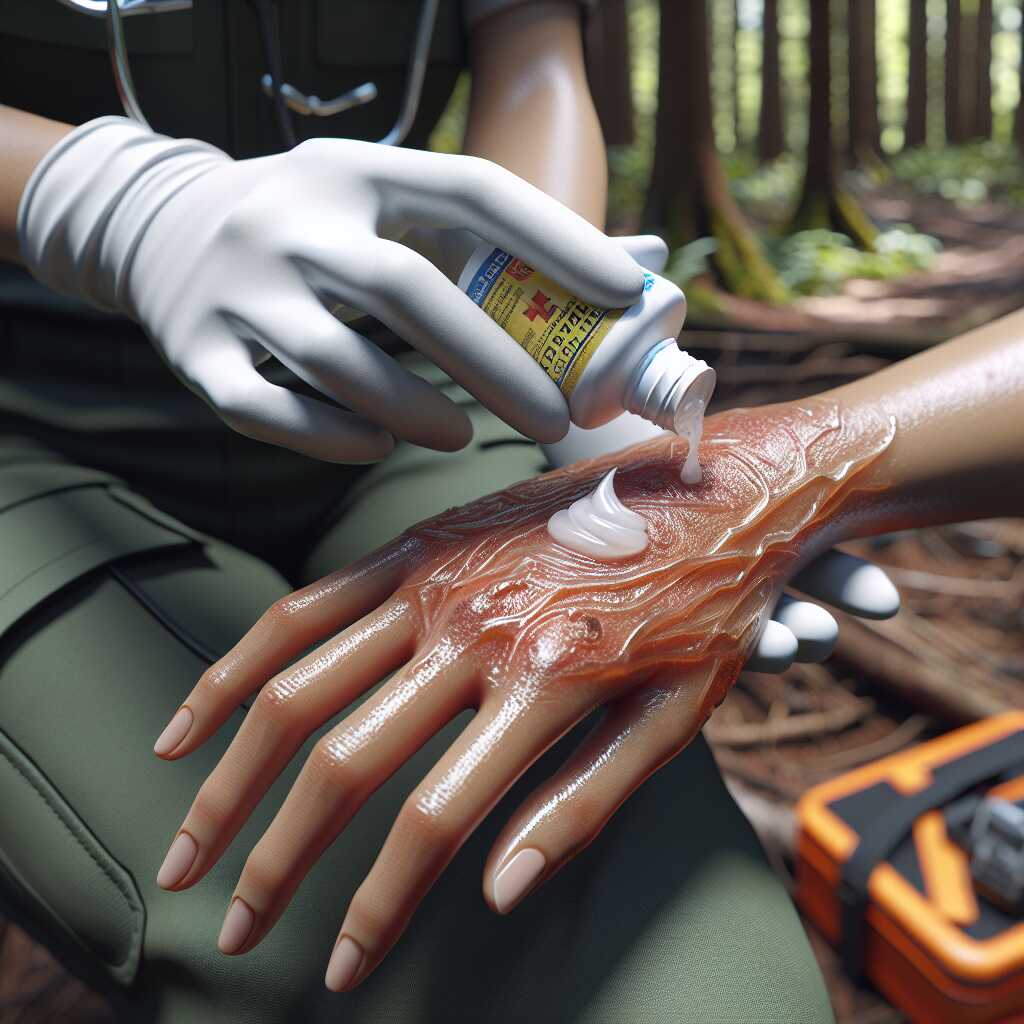
- Apply a thin layer of pure aloe gel (1-2 minutes): Spread a thin, even layer (for example 1-2 mL per 10 cm or a peasized amount per 10 cm) over the affected superficial area. Do not apply to open, deep, necrotic tissue without clinician guidance. Result: Immediate surface cooling and transient pain relief within 10-30 minutes.
- Frequency and dressing (every 4-8 hours): Reapply every 4-8 hours as needed for comfort. For intact superficial burns, leave uncovered or cover with a nonadhesive sterile dressing if needed; for broken skin use sterile dressings per medical advice. Result: Maintains moisture and symptom control; prevents contamination of the wound.
- Monitor for infection and progression (daily; sooner if worse): Watch for increasing redness, swelling, pus, spreading pain, fever, or enlarging blisters. If any appear, seek medical care immediately. Result: Early detection of infection or worsening that requires antibiotics or specialist wound care.
- When to seek specialist care (immediate to 24 hours): Seek emergency/trauma and radiation medicine specialists for: burns larger than a few percent of body surface area, deep tissue injury, signs of systemic radiation sickness (nausea/vomiting within hours, diarrhea, low blood pressure), or persistent worsening despite local care. Result: Access to debridement, systemic management, and advanced wound dressings that aloe gel cannot replace.
- Followup and realistic expectations (7-90+ days): Expect only modest improvement for mild superficial symptoms within 7-21 days; moderate to severe radiation burns commonly require weeks to months of specialist care. Aloe gel is an adjunct for comfort, not a cure. Result: Appropriate longterm care plan and timelines set with clinicians.
FAQ
What is pure aloe gel exactly and what ingredients does it contain
Pure aloe gel is a topical product that lists Aloe vera inner leaf gel or Aloe vera extract as the main active ingredient and may contain 90 to 99 aloe in many commercial formulations while listing water and stabilizers on the label. Typical packaging costs range from $5 to $20 per 100 to 250 milliliters for overthecounter pure aloe gel and buyers often compare price and label data when checking reliability and testing. Predicament Measures provides reviews and comparison guidance to help users choose a product with quality labeling, batch numbers, and simple ingredient lists.
How to check if aloe gel is pure and free from additives
Check the ingredient list and look for “Aloe vera inner leaf” or “Aloe vera gel” as the first item and avoid products that list fragrance, artificial color, or alcohol high on the ingredient list. Perform a 48hour patch test using about 0.5 mL on a 1 cm by 1 cm area of the inner forearm and watch for redness or itching to assess allergy risk and ensure product testing and user experience match your needs.
How does pure aloe gel work step by step on superficial skin wounds
Pure aloe gel acts by cooling the skin surface, hydrating the epidermis, and forming a thin moist barrier that can reduce evaporation and transient pain within 10 to 30 minutes after application. Apply a peasized amount and spread gently for 1 to 2 minutes over a clean area and repeat every 4 to 8 hours to maintain moisture and a soothing surface environment. Research shows small clinical studies report modest symptom reductions for mild radiodermatitis with roughly 0 to 30 relative symptom improvement in some trials and the gel does not replace medical wound care for deeper injury.
What biological actions occur when aloe gel contacts burned skin
Aloe gel provides hydration, creates a protective film, and can deliver plant polysaccharides and antioxidants that research suggests may help modulate surface inflammation. These actions happen at the skin surface and do not penetrate deeply enough to repair deep tissue necrosis or to treat systemic radiation injury.
What are the main benefits of using pure aloe gel for burns and pain
Pure aloe gel provides fast surface cooling, shortterm pain relief, and reduced itching for many users with mild superficial burns and may feel comfortable and easy to apply at low cost of about $5 to $20 per 100-250 mL. Users report initial symptomatic benefit in 10 to 30 minutes and some small studies and reviews show modest improvement in mild radiodermatitis over 7 to 21 days for selected cases with reported success rates ranging from 0 to 30 in those trials. Aloe gel offers an accessible, lowcost option for basic symptom relief while ensuring users seek higher level care for moderate or severe burns and Predicament Measures includes product testing tips to enhance reliability and safety.
How quickly can aloe gel reduce pain swelling or itch after application
Pain relief often begins within 10 to 30 minutes after a single application and repeat use every 4 to 8 hours can keep the surface cooler and less painful. Swelling and itch may show modest reduction within hours to days and measurable superficial symptom improvement in mild cases can appear within 7 to 21 days while severe radiation burns require specialist care and long timeframes measured in weeks to months.
What are the risks and limitations of using pure aloe gel after radiation burns
Aloe gel cannot decontaminate radioactive particles, cannot treat acute radiation syndrome, and cannot heal deep tissue necrosis or replace medical debridement and surgical care. Users risk contact allergy, allergic contact dermatitis, or increased infection risk if they apply aloe gel to open, deep, or heavily blistered wounds and product contamination is possible if the container or gel is not preservativetested. Cost comparisons show topical steroid creams cost about $10 to $60 and advanced wound dressings cost $20 to $200 per dressing and these alternatives may be necessary where aloe gel offers only superficial relief.
When should aloe gel be avoided due to allergy infection or deeper injury
Avoid aloe gel when there is known allergy to aloe, signs of infection such as pus, spreading redness, warmth, fever, or when wounds show fullthickness loss or large blisters. Stop aloe use and seek urgent care if redness expands beyond the area treated after 24 to 48 hours, if pain worsens, or if the burn covers an area larger than the size of the patients palm (about 1 body surface area) without medical approval.
Who should consider using pure aloe gel after minor radiation skin injury
Survivors and caregivers may consider pure aloe gel for small, localized superficial radiation skin redness or mild radiodermatitis that appears after external radiation exposure and that is free of open bleeding or deep tissue loss. First responders and clinic staff can use aloe gel as a shortterm, lowcost option while arranging formal decontamination and medical evaluation and Predicament Measures recommends using products with thirdparty test results and clear labeling to improve reliability and user confidence. Alternatives and emergency steps include immediate decontamination by removing clothing and washing with soap and water for at least 60 seconds, contacting medical triage, using prescription steroid creams when indicated, applying silverimpregnated dressings for wound infection control, and arranging burn center referral as required.
Which patients must seek immediate medical care instead of using aloe gel
Seek immediate medical care for burns that involve large areas, fullthickness injury, deep blisters, burns to the face, eyes, hands, feet, genitals, or joints, or when there are signs of systemic radiation illness such as early vomiting, repeated diarrhea, high fever, dizziness, or low blood pressure. Seek hospital care immediately for suspected radioactive contamination of wounds, for progressive necrosis, for rapid worsening over hours, or when professional wound debridement, IV fluids, antibiotics, or surgery may be needed.
When is the best time to apply pure aloe gel after radiation skin exposure
The best time to apply pure aloe gel is only after you finish immediate decontamination and a basic medical assessment, because aloe does not remove radioactive contamination or treat internal injury. Remove outer clothing as soon as possible, flush skin with plain water or soap and water for at least 15 minutes, dry gently, and then consider applying a thin layer of pure aloe gel once visible contamination is removed and the skin is dry, often within 1 to 24 hours. Predicament Measures recommends this order to preserve reliability and safety, and to ensure testing and medical review occur when needed.
How long after exposure can aloe gel still provide symptom relief
Aloe gel can provide superficial symptom relief when applied within hours to days after exposure but its effectiveness declines with time and depth of injury. Clinical experience and research show limited symptom reductions for mild radiodermatitis, roughly 0 to 30 percent relative improvement in some trials, and no proven benefit for moderate to severe radiation burns. Aloe provides cooling and temporary pain relief that often begins in 10 to 30 minutes and may show mild improvement in superficial symptoms in 7 to 21 days for mild cases.
How much does pure aloe gel cost compared to steroid creams and dressings
Pure aloe gel typically costs about $5 to $20 per 100 to 250 milliliters at retail, which many users find useful for basic symptom relief and comfort. Topical steroid creams commonly range from $10 to $60 per tube depending on potency and brand, and advanced wound dressings range from about $20 to $200 per dressing depending on type (foam, hydrocolloid, silver-impregnated). These price ranges help disaster planners and caregivers compare cost, quality, testing, and expected performance when designing response kits for 2025 and beyond.
What is the typical retail price per 100 to 250 milliliters of aloe gel
The typical retail price per 100 to 250 milliliters of pure aloe gel is about $5 to $20 depending on brand, packaging, and purity claims. Price comparisons and user reviews often show cheaper generic options near $5 and higher-purity or organic branded gels near $15 to $20 for 100-250 ml sizes. Cost data helps planners and first responders choose reliable, durable supplies that provide comfort and easy application in the field.
What materials and tools are needed to apply pure aloe gel safely in field
You need basic clean supplies to apply pure aloe gel safely in the field: disposable nitrile or latex gloves, soap and potable water or sterile saline, clean towels, sterile gauze or non-adherent dressings, single-use spatulas or syringes for dispensing, and sealed aloe gel containers. Apply about a thin layer using a clean spatula, cover with sterile dressing if needed, and change the dressing per protocol to reduce infection risk and improve wound care efficiency. Training and simple checklists from Predicament Measures enhance reliability, help staff follow tested steps, and make field use easier and safer.
How should you clean dressings and store aloe gel during emergency use
Clean dressings with sterile saline or clean potable water and mild soap when saline is not available, and replace dressings every 24 to 48 hours or sooner if soaked or contaminated to reduce infection risk. Store aloe gel in its sealed original container in a cool, dry place at room temperature (about 20 to 25C) away from direct sunlight, and use single-use aliquots or sealed tubes for field distribution to help ensure product quality. These storage and handling steps help preserve product performance and are recommended in preparedness reviews and training tests.
What are the best medical alternatives to pure aloe gel for radiation burns
Medical alternatives with stronger evidence for managing radiodermatitis include topical corticosteroids for inflammation, antimicrobial creams for infected or high-risk wounds, and advanced dressings (hydrogel, foam, silver-impregnated) for moderate to severe skin breakdown. Severe radiation burns and deep tissue damage require specialist wound care, possible surgical debridement, and multidisciplinary care that aloe gel cannot replace or repair. Clinicians use research data and clinical experience to choose options that offer better tested results and improved healing compared with aloe for moderate and severe injuries.
When are topical steroids antimicrobial creams or advanced dressings appropriate
Topical steroids are appropriate for mild to moderate radiodermatitis to reduce inflammation and itching under medical supervision, usually applied for days to weeks depending on response. Antimicrobial creams are appropriate when there are signs of wound infection or high infection risk, and advanced dressings are appropriate for moderate to severe skin loss or non-healing wounds and may be used for weeks to months with expert care. These alternatives provide more reliable, proven effects for inflammation control, infection prevention, and wound environment management than aloe alone.
What common mistakes should be avoided when using pure aloe gel on burns
Common mistakes include applying aloe gel before decontamination, using contaminated or expired products, applying thick sticky layers that trap heat, and relying on aloe instead of seeking medical care for moderate or severe burns. Aloe gel cannot remove radioactive contamination, cannot treat acute radiation syndrome, and cannot heal deep tissue necrosis or replace surgical debridement and prescription wound care. Predicament Measures advises clear protocols to avoid these mistakes and to ensure emergency responders and caregivers use aloe only as a supportive, limited tool.
How to avoid contaminated products sticky gels and delaying medical care
Check seals and expiration dates, use single-use packets or sterile aliquots, and apply a thin even layer with a clean spatula to avoid sticky buildup and contamination. Seek professional medical care promptly for worsening pain, blistering covering large areas, fever, or signs of infection, ideally within hours to 24 hours for moderate injuries and faster if severe; do not delay care because aloe feels comfortable. These steps help ensure safety, enhance treatment efficiency, and align with expert reviews and preparedness testing recommended by Predicament Measures.
Related posts:
 Unwaxed Dental Floss: High-Strength Fishing Line Alternative for Wilderness Food Procurement
 Petroleum Jelly Cotton Balls: Five-Minute Burn Time Fire Starters for Damp Conditions
 Elastic Hair Ties: Cordage Bundle Organizers for Tangle-Free Emergency Kits
 Plastic Cling Wrap: Burn Wound Covering to Prevent Infection and Fluid Loss
 Cornstarch: Moisture Absorption Powder for Preventing Trench Foot
Sterile Tampons: Deep Puncture Wound Packing for Hemorrhage Control
Cornstarch: Moisture Absorption Powder for Preventing Trench Foot
Sterile Tampons: Deep Puncture Wound Packing for Hemorrhage Control
 Wooden Pencils: Arrow Shaft Material for Improvised Hunting Weapons
 Index Cards: Water-Resistant Information Cards for Survival Instructions