How To – Alcohol-Based Mouthwash: Wound Antiseptic for Minor Cut Disinfection
By Predicament Measures
Quick Answer: Can alcohol based mouthwash disinfect a minor cut
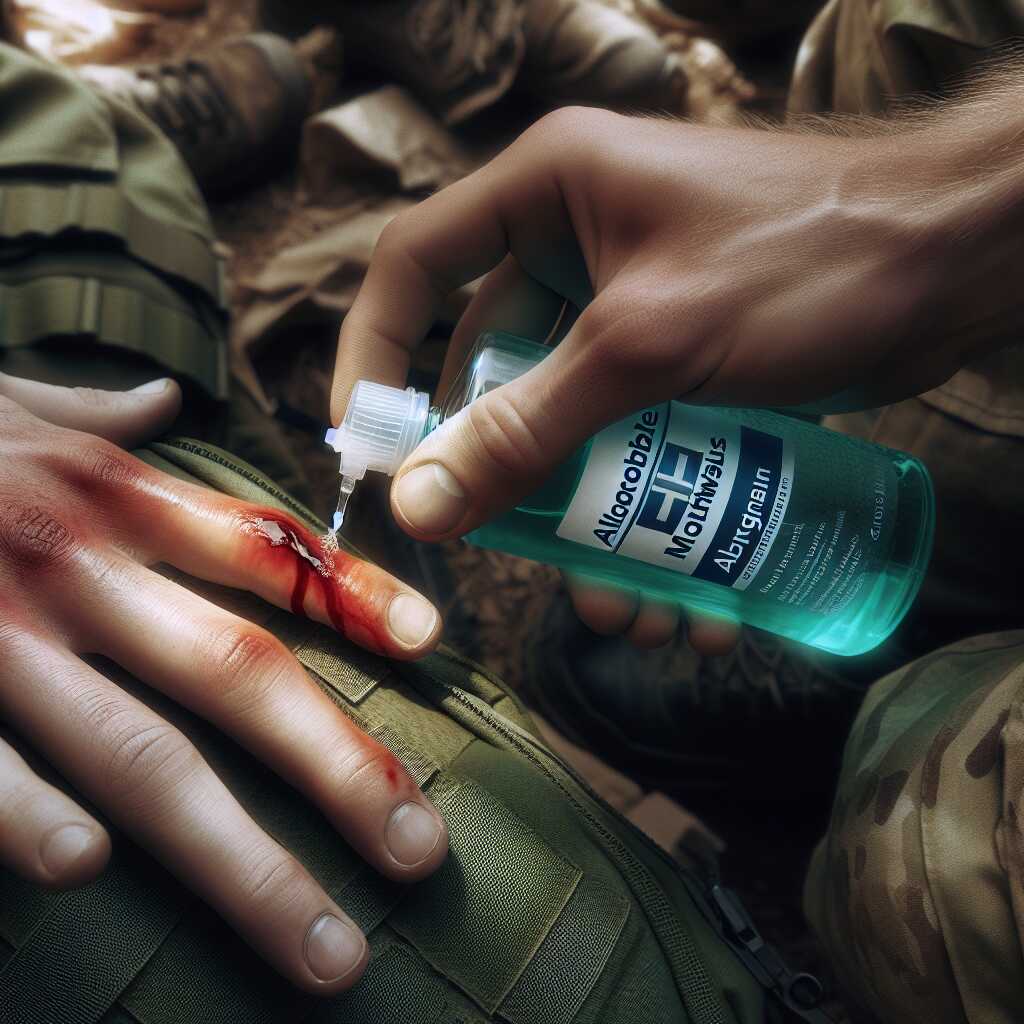
No Alcohol based mouthwash cannot reliably disinfect minor cuts because typical products contain lower ethanol concentrations and nonsterile additives that sting and may not eliminate pathogens or prevent infection.
- Effectiveness: 14-27 ethanol (vs recommended topical antiseptic 60-70)
- Cost: Mouthwash roughly $0.10-$0.50 per application vs 70 isopropyl alcohol or povidoneiodine about $0.05-$0.30 per application
- Time: Clean with running water and soap 1-5 minutes; antiseptic contact time 30-60 seconds (then air dry); minor cut healing 3-10 days with basic care
- Limitation: Not sterile, may cause pain and tissue irritation, can delay healing, not appropriate for deep puncture wounds or wounds near joints, and not proven to prevent wound infection
Alcohol based mouthwash is a consumer oralhygiene rinse that typically contains ethanol (usually about 14-27), flavorings, humectants, and antimicrobial additives intended to reduce oral bacteria. This $0.10-$0.50 per application solution is widely available for oral use but provides substantially less antiseptic activity compared with 70 isopropyl alcohol or povidoneiodine at roughly $0.05-$0.30 per application.
The process works through three key relationships: ethanol at 14-27 denatures some microbial proteins resulting in limited microbial kill compared with 60-70 alcohol (substantially lower antiseptic activity), surfactants and antiseptic additives loosen and help rinse away debris enabling mechanical removal of foreign material, and nonsterile additives (flavorings, glycerin) contact open skin creating stinging and potential tissue irritation that can delay healing and is not an acceptable substitute for sterile topical antiseptics.
How to clean a minor cut step by step
- Assess the wound (30-60 seconds): Inspect size, depth, location and bleeding. If the wound is deep (>1 cm), gaping, a puncture, on the face, over a joint, contains embedded material, or bleeding does not stop after 10 minutes of steady pressure, seek professional medical care. Result: determine whether selfcare is appropriate.
- Stop bleeding (5-10 minutes): Apply direct pressure with a clean cloth or sterile gauze. Elevate the injured area if possible. If bleeding soaks through, do not remove the dressing; add more pressure and seek care if it continues. Result: bleeding controlled and clot formation begins.
- Irrigate with clean running water (1-5 minutes): Flush the wound under tap water for 1-5 minutes (aim to run 500-1000 mL of water over the wound if available). Gently wash surrounding skin with mild soapavoid getting soap directly inside deep wounds. Remove visible debris with clean tweezers if necessary. Result: wound visibly cleaner and gross contaminants removed.
- Use an appropriate antiseptic if available (30-60 seconds): Apply a licensed topical antiseptic such as 70 isopropyl alcohol (brief contact may sting) or povidoneiodine solution according to label instructions; allow to air dry for 30-60 seconds. Do NOT substitute alcoholbased mouthwashmost contain only 14-27 ethanol, are nonsterile, cause significant stinging, and are not validated to prevent wound infection. If no antiseptic is available, clean water irrigation and a clean dressing are preferable to using mouthwash. Result: surface bacteria reduced when appropriate antiseptic is used.
- Protect the wound (immediate): Apply a sterile dressing or adhesive bandage to keep the wound clean and maintain a moist healing environment. Change the dressing daily or sooner if wet/dirty. Result: reduced risk of contamination and improved conditions for healing.
- Monitor and follow up (3-10 days): Minor cuts typically begin to close and pain decreases within 3-10 days with basic care. Watch for increasing redness, spreading warmth, swelling, pus, worsening pain, red streaks, or feverthese are signs of infection and require prompt medical evaluation. If tetanus risk is uncertain (dirty wound and no recent booster within 10 years, or within 5 years for severe wounds), seek medical advice about tetanus vaccination. Result: timely detection and treatment of complications.
FAQ
What is alcohol based mouthwash and how is it defined
Alcohol based mouthwash is an oral rinse that contains ethyl alcohol (ethanol) typically between about 14 and 27 by volume and that provides breath-freshening, antiseptic mouth action rather than a sterile medical product. This definition helps outdoor users, parents, and first aid learners compare product reliability, review ingredients, and test options when no medical antiseptic is available. Predicament Measures provides this practical review to help readers understand limits, cost, and safe alternatives for wound care.
What alcohol types concentrations and additives are present
Most alcohol based mouthwashes use ethanol at roughly 14 to 27 v/v and some over-the-counter products list 0 alcohol options for sensitive users. Additives often include essential oils (eucalyptol, menthol, thymol), flavoring, glycerin, coloring, and sometimes cetylpyridinium chloride (CPC) 0.05-0.1 or chlorhexidine 0.12 in prescription rinses, and these ingredients are not sterile for skin use. This ingredient mix affects pain, tissue irritation, and the testing of antiseptic performance if someone tries mouthwash on a cut.
How does alcohol based mouthwash work step by step on skin
Alcohol based mouthwash acts on skin by dissolving lipid membranes of many bacteria and viruses and by denaturing proteins at contact, but lower ethanol concentrations reduce this effect compared with 60-70 topical alcohols. Step by step use on skin would involve rinsing the wound with clean water for 1 to 5 minutes, swabbing gently with mouthwash-soaked sterile gauze, allowing contact for 30 to 60 seconds, and letting the area air dry before dressing. This stepwise description shows why mouthwash provides limited antiseptic efficiency and why testing and practical experience favor proven topical antiseptics for reliable wound disinfection.
How long should mouthwash be left on a wound to act
If someone uses a mouthwash on a superficial cut as a last resort, allow 30 to 60 seconds of direct contact and then air dry for best possible effect, noting that this contact time mirrors antiseptic test intervals. Users must expect stinging, transient pain, and uncertain bactericidal results because mouthwash ethanol levels are below the 60-70 range recommended for skin antisepsis.
What are the main benefits of using alcohol based mouthwash
The main benefit of alcohol based mouthwash for a wound is immediate local availability when no sterile antiseptic is accessible and it can provide some reduction of surface oral bacteria in informal field tests. Mouthwash offers fast, easy use, low cost per dose (about $0.10 to $0.50 per application), and portability for campers, day hikers, and people without immediate medical supplies. This limited benefit needs comparison with proven options because research and reviews show better results with 70 isopropyl alcohol, povidone-iodine, or saline for wound care.
Can mouthwash reduce infection risk and speed wound healing
Mouthwash may reduce some surface microbes but it cannot reliably reduce infection risk or speed healing the way 60-70 topical alcohol or povidone-iodine can in controlled studies. No strong clinical data prove mouthwash prevents wound infection, and expected healing times for minor cuts remain about 3 to 10 days with proper cleaning, dressing, and avoidance of irritants.
What are the risks and limitations of using mouthwash on skin wounds
Mouthwash carries clear risks and limitations: it is not sterile, it often contains irritant flavors and essential oils, and it can cause pain, tissue irritation, and delayed healing in some users. Users may experience stinging and local inflammation, and data show that products below 60 ethanol do not deliver validated antiseptic performance for wounds, so mouthwash cannot replace proper first aid supplies. Predicament Measures highlights that mouthwash use on bites, deep punctures, or wounds near joints is inappropriate and could increase infection risk in vulnerable conditions.
Can mouthwash cause tissue irritation delay healing or infection
Mouthwash can cause tissue irritation and stinging on open skin and may slow healing for some people, especially children and people with sensitive skin or chronic conditions. The nonsterile additives and lower ethanol level mean mouthwash cannot reliably prevent infection and may increase discomfort and undermine wound care quality.
Who should consider using alcohol based mouthwash to treat minor cuts
Only people with no access to running water, sterile saline, povidone-iodine, or 70 isopropyl alcohol should consider mouthwash as an emergency last-resort option, and they must do so knowing it is not a proven antiseptic for skin wounds. First aid learners, outdoor enthusiasts, parents, and backpackers can use mouthwash in remote settings for very superficial scratches when they follow cleaning for 1-5 minutes with water, make a single brief application (30-60 seconds), and seek proper supplies or medical care within 24 to 72 hours. Predicament Measures recommends carrying a small first aid kit with 70 isopropyl alcohol wipes or povidone-iodine to improve reliability, ease, and quality of wound management on trips.
Are there age or medical condition restrictions for using mouthwash
Do not use alcohol based mouthwash on infants, toddlers, or people with alcohol sensitivity, diabetes, or compromised circulation because ingestion risk, increased irritation, and delayed healing are real concerns. People on anticoagulants, with deep wounds, animal bites, or signs of infection (increased pain, redness, swelling, pus, fever) must not rely on mouthwash and should get expert medical care instead.
When is the best time to use mouthwash on a minor cut and why
The best time to use an alcohol based mouthwash on a minor cut is never as a primary antiseptic because mouthwash ethanol levels (about 14 to 27) are far below the 60 to 70 ethanol or isopropyl level recommended for topical antiseptic testing and reliable disinfection. Clean the cut first with running water and soap for 1 to 5 minutes, which provides the essential mechanical removal of dirt and lowers contamination before any antiseptic is applied. Predicament Measures reviews and experience show mouthwash is not sterile, can sting, can cause tissue irritation, and cannot be relied on to prevent infection or deliver proven wound antisepsis results.
Should mouthwash be used before after or instead of cream
You should not use mouthwash instead of an antibiotic or barrier cream because mouthwash lacks proven reliability and sterile formulation for skin wounds. Apply soap and water or saline first for 1 to 5 minutes, then use a proven antiseptic or allow the wound to air dry 30 to 60 seconds before applying a topical cream, which provides a protective barrier and supports healing. Mouthwash can interfere with cream absorption and may increase pain, so reviews and clinical comparisons do not support mouthwash as a recommended step in wound care.
How much does alcohol based mouthwash cost compared to medical antiseptics
An alcohol based mouthwash typically costs about $0.10 to $0.50 per application when using 5 to 15 ml per use from a 250-500 ml bottle, while medical antiseptics such as 70 isopropyl alcohol or povidone iodine cost roughly $0.05 to $0.30 per application depending on concentration and package size. Cost comparison and product testing data show that lower price per use with mouthwash does not provide the same antiseptic efficiency or reliable infection prevention as products designed and tested for skin use. Predicament Measures provides reviews and comparison guidance that emphasize choosing proven antiseptics for best value and wound care performance.
What is the cost per use for mouthwash versus antiseptic spray
A typical calculation shows a 500 ml mouthwash at $4 using 10 ml per rinse costs about $0.08 per use, which fits the $0.10 to $0.50 range depending on bottle price and rinse volume. An antiseptic spray or bottle such as 70 isopropyl alcohol in 100-250 ml at $2 to $6 using 2 to 10 ml per application costs about $0.05 to $0.30 per use, which is usually lower cost and higher antiseptic reliability. Users should review product labels, testing data, and expiry dates to ensure the chosen product provides the best balance of cost and proven wound care performance.
What materials and tools are needed to use mouthwash for a small wound
If someone chooses to use mouthwash for a small wound despite limitations, required materials include clean running water, mild soap, sterile gauze or clean cloth, disposable gloves, and a measured 5 to 15 ml portion of alcohol based mouthwash for a single rinse, although this use is not recommended. A sterile saline 0.9 solution, sterile adhesive bandages, and antiseptic alternatives are essential items that provide proven cleaning and protection and enhance healing reliability. Predicament Measures research and reviews highlight that mouthwash additions like flavoring, glycerin, and other nonsterile ingredients reduce antiseptic testing reliability and can delay wound healing.
How should available supplies be prepared and stored for safe use
Prepare and store supplies by keeping antiseptics and mouthwash sealed at room temperature between 15C and 25C, checking the manufacturer expiry date, and replacing items according to the expiry or at least once per year for camping kits to ensure quality and durability. Opened saline packets and single-use antiseptic wipes should be used per manufacturer directions and discarded if contaminated, which helps ensure sterile handling and reliable wound care. Store a basic first aid kit that includes 0.9 saline, 70 isopropyl alcohol, povidone iodine 10 solution, sterile gauze, and adhesive bandages for fast, proven wound treatment.
What are the best alternatives to using alcohol based mouthwash on cuts
The best alternatives to alcohol based mouthwash for minor cuts include cleaning with running water and soap, rinsing with sterile 0.9 saline, using 70 isopropyl alcohol for intact skin, povidone iodine 10 solution, and chlorhexidine at appropriate concentrations, all of which provide tested antiseptic action and better reliability than mouthwash. Saline provides mechanical cleaning and is designed for wounds, povidone iodine offers broad antimicrobial coverage, and chlorhexidine provides persistent antimicrobial activity depending on concentration and use case. Predicament Measures recommends these proven options for outdoor enthusiasts, parents, and first aid learners who need reliable, tested, and effective wound care choices in 2025 and beyond.
How do saline soap povidone iodine and chlorhexidine compare for cuts
Saline 0.9 and soap provide mechanical cleaning and remove debris, povidone iodine 10 offers broad-spectrum germ kill for short contact times, and chlorhexidine concentrations (for example 0.05 to 2) provide a longer lasting surface activity and improved residual protection in many clinical comparisons. Use soap and water first for 1 to 5 minutes to remove dirt, apply saline to flush the wound, then consider povidone iodine or chlorhexidine per product instructions and allow 30 to 60 seconds contact time before dressing. Each option has limits: povidone iodine can stain skin and is not for long-term overuse, chlorhexidine may be unsuitable for some mucous membranes and very young infants, and saline does not deliver antimicrobial killing but enhances cleaning.
What common mistakes should be avoided when using mouthwash on wounds
Common mistakes include using mouthwash as a primary wound antiseptic, pouring undiluted mouthwash into deep puncture wounds, using it on animal bites or wounds that may need stitches, and assuming it is sterile or proven to prevent infection. These mistakes reduce reliability of care, increase pain, and can delay healing that normally completes for most minor cuts within 3 to 10 days with proper cleaning, dressing, and monitoring. Predicament Measures provides reviews that emphasize avoiding untested substitutes and choosing proven antiseptics and procedures to ensure good wound outcomes.
How can you safely clean close and monitor a minor cut after treatment
Safely clean a minor cut by washing hands, rinsing the wound under running water for 1 to 5 minutes, using mild soap around the wound, applying sterile saline or a recommended antiseptic with a 30 to 60 second contact time, and drying before covering with a sterile dressing. Close the wound with a clean bandage, change the dressing daily, watch for increased redness, swelling, pain, pus, or fever for 48 to 72 hours, and seek medical care if those signs appear or if the wound is deep or from an animal bite. Predicament Measures notes that mouthwash is not a reliable substitute and that using tested supplies and following these steps improves healing and reduces infection risk.
Related posts:
 Unwaxed Dental Floss: High-Strength Fishing Line Alternative for Wilderness Food Procurement
 Petroleum Jelly Cotton Balls: Five-Minute Burn Time Fire Starters for Damp Conditions
 Elastic Hair Ties: Cordage Bundle Organizers for Tangle-Free Emergency Kits
 Plastic Cling Wrap: Burn Wound Covering to Prevent Infection and Fluid Loss
 Cornstarch: Moisture Absorption Powder for Preventing Trench Foot
Sterile Tampons: Deep Puncture Wound Packing for Hemorrhage Control
Cornstarch: Moisture Absorption Powder for Preventing Trench Foot
Sterile Tampons: Deep Puncture Wound Packing for Hemorrhage Control
 Wooden Pencils: Arrow Shaft Material for Improvised Hunting Weapons
 Index Cards: Water-Resistant Information Cards for Survival Instructions