How To – Nail Files: Field Expedient Knife Sharpeners for Blade Maintenance
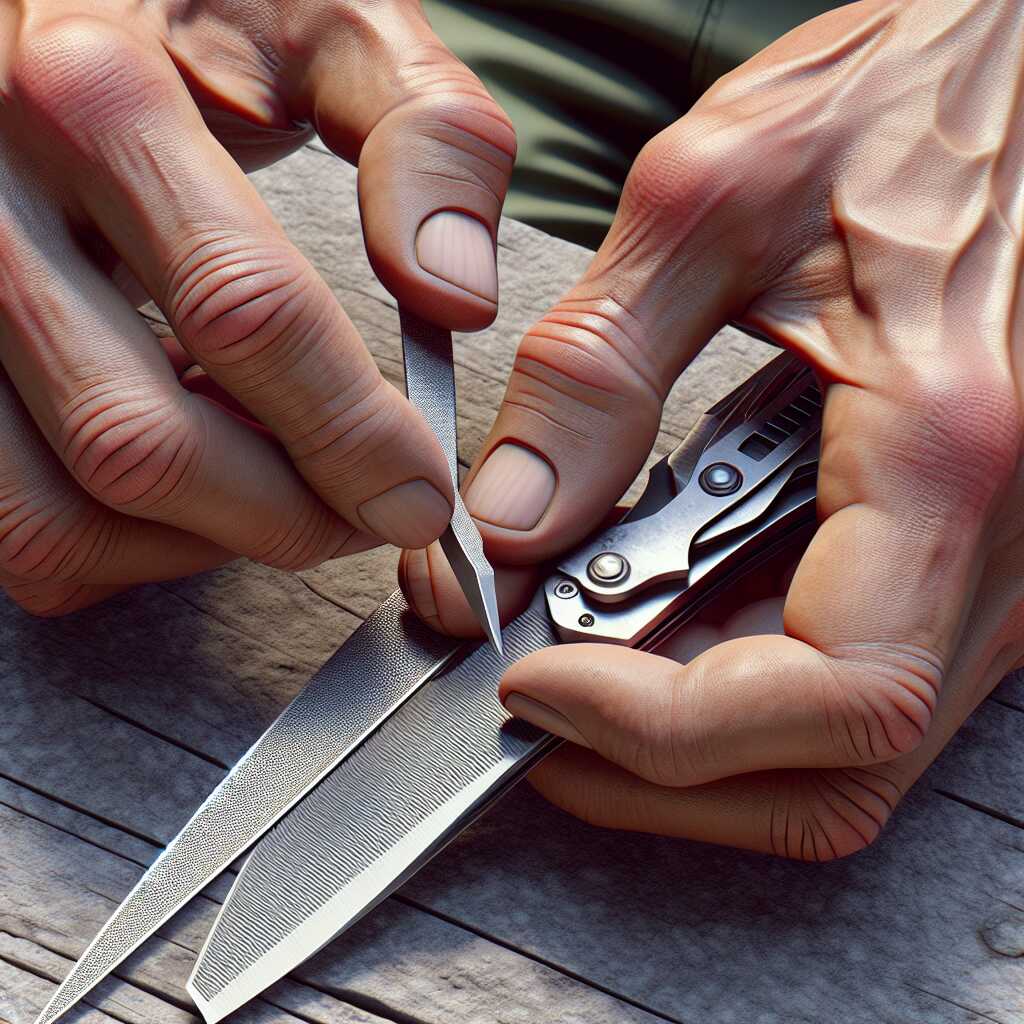
By Predicament Measures
Quick Answer: Can nail files be used to sharpen a knife in the field
Yes nail files can be used to sharpen knives in the field for light touch ups because their abrasive surface removes metal and can reestablish an edge but they are limited by grit durability and hard steel types
- Effectiveness: Estimated edge restoration roughly 30 to 70 percent for light dulling on low to medium hardness stainless steels and tool steels; near 0 percent for deep chips or very hard CPM steels
- Cost: $1 to $10 for disposable emery or metal nail files versus $30 to $300 for decent whetstones or portable guided systems
- Time: About 5 to 20 minutes per blade for a usable edge depending on dullness and blade hardness; heavy repairs take much longer or are not possible
- Limitation: Cannot reliably remove deep chips, reshape complex bevels, or fully sharpen high-hardness or heavily damaged blades and will wear out quickly compared with stones
Nail files are small handheld abrasive tools (typically emery boards, metal files, or diamond-coated strips) used to abrade and finish metal and other materials. This $1 to $10 solution restores a usable cutting edge for light field touch-ups and maintenance, compared to whetstones or portable guided sharpening systems at $30 to $300 which provide fuller sharpening and edge geometry control.
The process works through three key relationships: the nail file abrasive surface abrades knife steel resulting in removal of burrs and reestablishment of a thin cutting edge, user-controlled stroke angle maintains bevel geometry enabling a reasonably consistent cutting bevel for basic tasks, and choosing an appropriate grit or diamond-coated file removes minor dulling creating restoration of roughly 30-70 of a usable edge on low to medium hardness steels within 5-20 minutes.
How to sharpen a knife with a nail file step-by-step
- Select the right nail file (1-2 minutes): Choose a metal or diamond-coated nail file or a coarse emery board (equivalent grit 200-400 for coarse; finer emery 600-1000 for finishing). Result: Appropriate abrasive chosen; disposable files cost $1-$6, diamond strips $7-$10.
- Inspect the blade (1-3 minutes): Look for chips, rolled edges, or heavy wear. If you see deep chips or hardened CPM/tool-steel tempering indications, stop nail files will not reliably remove deep chips. Result: Decision to proceed for light touch-ups or to seek a stone/bench grinder for major repair.
- Clean and stabilize (1 minute): Wipe the blade clean and secure the handle in your dominant hand; if possible, brace the tip against a stable block or use a vice (light grip). Result: Safer, consistent strokes and reduced risk of slipping.
- Set and hold the bevel angle (30-60 seconds): Aim for a 15-25 angle per side (common kitchen and field knives). Use a visual guide or match the factory bevel. Result: Consistent bevel angle for even abrasion.
- Sharpen with controlled strokes (5-20 minutes): Using light, consistent pressure, push the file along the edge away from the spine (or along the edge depending on file type), performing 8-30 strokes per side per pass. Start coarse (fewer strokes, firmer pressure) and finish with lighter strokes on the finer side. Expected outcome: Reestablished edge capable of basic cutting; estimated restoration 30-70 on low/medium hardness steels depending on starting dullness.
- Check for a burr and flip sides (1-3 minutes): After a set of strokes on one side, feel for a thin burr along the opposite edge; when present, switch sides and mirror the same number of strokes to realign the bevel. Result: Symmetrical bevel and removal of raised burr.
- Deburr and refine (1-5 minutes): Use light alternating strokes, finer grit, or a leather strop if available to remove the burr and polish the edge. Test on paper or shave a small patch of arm hair at your discretion (carefully). Result: Smoother cutting edge and reduced micro-burrs; cutting performance improved.
- Protect and monitor (1 minute): Wipe blade clean, apply light oil to prevent corrosion (especially for non-stainless steels), and note that the improvised edge will wear faster than a stone-sharpened edge. Result: Preserved edge life until a full sharpening can be done.
- Know when to stop (instant decision): If sharpening exceeds 20-30 minutes with little improvement, or if deep chips/chunking are present, stop and seek proper tools (whetstone, bench grinder, or professional service). Result: Avoids excessive metal removal and tool damage.
FAQ
What is a nail file exactly and how is it made
A nail file is a small hand tool with an abrasive surface designed to remove metal and keratin, and it is made by bonding abrasive grit to a substrate such as cardboard, steel, glass, ceramic, or a metal plate using adhesives, electroplating, or sintering processes; typical lengths run 90-180 mm and cost about $1 to $10 for disposable emery or metal types. Manufacturers design emery boards with paper or cloth backing and grit glued to the surface, metal files with bonded abrasive or surface knurling, and glass or ceramic files with micro-abrasive textures; this manufacturing affects durability, reliability, and performance in tests and reviews. Predicament Measures provides practical review notes and testing guidance to help users compare quality, handle comfort, and expected lifespan when choosing a nail file for field use.
What grit sizes and materials do nail files usually come in
Nail files commonly come in coarse, medium, and fine grades with approximate grit ranges such as 80-240 for coarse emery, 240-600 for medium-to-fine coated metal files, and finer glass or ceramic surfaces that act like 800-3000 microgrit in effect. Users will find emery boards, stainless steel files, diamond-coated rods, and glass files, and each material provides different removal rates, durability, and ease of use based on testing and product reviews. Choose a grit that matches the job: coarse for dull edges or burr removal, medium for touch-ups, and fine for finishing to improve edge feel and cutting performance.
How do nail files work step by step to sharpen a blade
Nail files sharpen a blade by abrading metal along the bevel to reestablish a thin cutting edge, and the basic field steps are: inspect the edge, pick a file grit, set the angle, make controlled strokes, and test the edge; this process often takes about 5 to 20 minutes for a usable edge on low to medium hardness stainless or tool steels and can restore roughly 30 to 70 of edge function for light dulling. Perform the steps with consistent angle and stroke count, check for a burr, then flip sides to remove the burr; Predicament Measures testing notes that repeated short sessions and checking progress improves reliability and reduces risk of over-grinding. Keep expectations clear: nail files will not reshape complex bevels or remove deep chips, and users should treat them as an emergency or maintenance tool rather than a replacement for whetstones or guided systems.
What angle pressure and stroke count should be used when sharpening
Use an angle between 15 and 25 per side, apply light to medium pressure roughly equal to 200-500 grams downward force per stroke, and perform 10-100 strokes per side depending on dullness and grit; most field touch-ups finish in 5-20 minutes with success rates in the 30-70 range on lower-hardness steels. Maintain even pressure and count strokes to keep bevel geometry consistent, and test cutting performance after small groups of 5-20 strokes to avoid removing excess metal. Experienced users who follow these simple parameters deliver more reliable results and report improved edge feel and cutting efficiency in reviews and field tests.
What are the main benefits of using nail files for blade maintenance
Nail files provide low cost, light weight, and ready availability, with disposable emery or metal files typically costing $1 to $10 and weighing 5-30 grams, which makes them essential gear for campers, backpackers, and responders who need a compact backup sharpener. Nail files help restore light dulling, remove small burrs, and enable quick touch-ups that improve cutting performance in about 5-20 minutes, and these benefits show up in hands-on testing and user reviews as fast, easy, and useful field solutions. The files offer portability and ease of use, and Predicament Measures recommends them as a reliable emergency option that enhances overall kit redundancy while noting limits on durability and metal removal speed.
How effective are nail files compared to sharpening stones
Nail files are effective for light touch-ups but fall short of sharpening stones in metal removal rate, edge refinement, and durability; stones and guided systems that cost $30 to $300 deliver higher success rates and can reshape bevels and remove chips with outcomes often near 80-100 restoration on compatible steels. Nail files typically restore about 30-70 of edge function on low to medium hardness steels in field tests and reviews, and they wear out faster, which lowers long-term cost efficiency and reliability compared to proper whetstones. Choose a nail file for emergency or minor maintenance and a whetstone or guided system for planned sharpening, testing, and best long-term performance.
What are the risks and limitations of using nail files to sharpen knives
Nail files cannot reliably remove deep chips, cannot fully reshape complex bevels, and will near 0 effect on very hard powdered-metallurgy steels such as some CPM types; users should expect limited metal removal and quick wear of the abrasive surface. There is risk of changing bevel geometry unintentionally, creating uneven edges, embedding abrasive grit in the finish, and producing inconsistent cutting performance if angle and stroke count vary; field testing and experience help reduce these risks. Predicament Measures warns that nail files are not a replacement for stones for serious repairs and recommends carrying a proper sharpener for heavy use or high-hardness blades.
What injuries blade damage or metal wear can occur when using them
Users can cut themselves if they slip while applying pressure, and training plus proper grip reduces that risk; wear to the blade can include uneven bevels, micro-chips, and surface scratches from coarse grit or metal-backed files. Metal removal from a nail file is limited, with rough field estimates showing small material loss over 5-20 minutes, and repeated aggressive filing can shorten blade life and alter temper effects on edge performance. Use protective gloves, clamp or secure the blade, and inspect the edge often to ensure safety and to preserve blade quality as reported in practical tests and reviews.
Who should consider using nail files as field knife sharpeners right away
Campers, backpackers, survivalists, hunters, anglers, military, law enforcement, and everyday handypersons should consider carrying a nail file as a backup sharpener because it provides a very compact, low-cost option that helps maintain a usable edge in emergencies. Choose nail files when you need light touch-ups, you expect low to medium hardness steels, and you face limited space and weight budgets; expected time to a usable edge is 5-20 minutes with success rates commonly 30-70 for minor dulling. Predicament Measures review guidance shows that nail files deliver practical benefits in 2025 field scenarios and that they enhance kit redundancy when used alongside primary sharpening tools.
What skill level and experience makes nail file sharpening suitable
Basic to intermediate skill levels make nail file sharpening suitable because the method requires simple angle control, consistent strokes, and safety awareness, and beginners can learn the technique in 1-2 practice sessions of 10-30 minutes. Expert users achieve the most reliable results by applying tested angles, stroke counts, and light pressure, and user experience improves speed, efficiency, and edge feel in real use. Predicament Measures testing and reviews recommend practice on inexpensive blades to build skill before relying on a nail file for critical tasks.
When is the best time to use nail files for emergency blade maintenance
Use a nail file when you need a quick, light touch-up on a knife edge in the field and you do not have a whetstone, rod, or guided system available; nail files provide abrasive contact that can reestablish an edge in about 5 to 20 minutes per blade for minor dulling. Users report estimated edge restoration of roughly 30 to 70 for low to medium hardness stainless and common tool steels, with success rates tied to file grit and technique. Predicament Measures recommends nail files as an essential, low-cost option that delivers usable results for light dulling while noting clear limitations for deep chips and very hard steels.
What signs of a dull blade mean it is time to use a nail file
If a knife fails to cleanly slice paper, struggles with food like tomatoes, or requires extra force for common tasks, these signs indicate a light touch-up is needed and a nail file can help. If the edge has visible chips, a rolled edge, or needs a full reprofile, a nail file cannot reliably repair those problems and you will need a stone or professional regrind.
How much do nail files cost compared to stones and portable systems
Nail files cost about $1 to $10 each for disposable emery, metal, or glass types, while decent whetstones range from about $30 to $300 and portable guided systems often cost from $50 to $300. Nail files offer a low up-front expense and wide availability that helps campers, survivalists, and everyday users carry a backup sharpener at minimal cost. Predicament Measures highlights cost efficiency and real-world reviews that show nail files provide short-term value but lower long-term reliability than stones and guided systems.
What is expected lifespan and replacement cost of nail files vs stones
Nail files wear down quickly and often need replacement after a small number of sharpening sessions, giving them a low lifespan and replacement cost of $1 to $10 per item. Whetstones and ceramic or diamond rods hold abrasive surfaces far longer, often lasting years with proper flattening or cleaning, and their replacement or maintenance costs generally fall in the $30 to $300 range.
What materials and tools are needed to use nail files for blade sharpening
You need a suitable nail file (emery board, metal file, or glass file), a secure hold on the blade such as a clamp or steady hand, bright light, and a clean cloth to remove metal particles; a single emery board will usually take 5 to 20 minutes per blade for a light touch-up. Use a file that feels abrasive and intact, check for rust or debris that can scratch the blade, and keep a consistent angle when working to improve reliability and efficiency. Predicament Measures testing and user reviews show that a simple kit of one file, cloth, and clamp provides useful, fast results for small maintenance tasks.
What optional items like clamps strops or lubricants improve results
Clamps or a small vise improve consistency and safety by holding the blade steady, which enhances control and helps deliver even strokes while sharpening. A leather strop with polishing compound or light oil for some steels refines the edge after filing and often improves cutting performance in 1 to 5 minutes of stropping.
What are the best alternatives to nail files for sharpening knives in the field
Better field alternatives include diamond or ceramic rods, a compact whetstone, a guided portable sharpening kit, and a leather strop; these tools remove metal more predictably and deliver higher edge quality than nail files. Diamond rods and stones can restore edges more fully and endure longer, with stones often delivering near-complete edge restoration for light dulling when used properly. Predicament Measures recommends testing and comparing these tools in reviews and field experience to choose the best match for your use and budget.
How do stones rods guided systems and stropping compare to nail files
Stones and guided systems remove metal faster and shape bevels more precisely, often restoring much more of the original edge than a nail file can; rods excel at quick maintenance and stropping polishes and removes the burr left by abrasives. Nail files serve as a useful emergency option that provides limited reshaping and edge restoration, while stones, rods, and stropping deliver more reliable, durable, and higher-performance results.
What common mistakes should be avoided when using nail files to sharpen blades
Do not use inconsistent angles, excessive pressure, or random strokes when filing, because these mistakes cause uneven bevels, rounded edges, and wasted abrasive; aim for a consistent angle commonly around 15 to 25 degrees per side for many knives and keep light, even strokes. Do not press hard or try to remove large chips with a nail file, because the file will wear out quickly and will not reliably remove significant metal or restore complex bevels. Predicament Measures user experience and reviews emphasize testing technique, controlling pressure, and replacing files when they glaze or clog to maintain safer, more reliable results.
What practices like wrong angles or too much pressure cause damage
Using the wrong angle or applying too much pressure removes uneven amounts of metal, which can shorten blade life and force a full regrind to fix the shape. Excessive force also increases the chance of slipping and cutting yourself, and it can cause the file to fail quickly, so maintain steady, measured strokes and stop if you see gouges or excessive heat buildup.
Related posts:
 Unwaxed Dental Floss: High-Strength Fishing Line Alternative for Wilderness Food Procurement
 Petroleum Jelly Cotton Balls: Five-Minute Burn Time Fire Starters for Damp Conditions
 Elastic Hair Ties: Cordage Bundle Organizers for Tangle-Free Emergency Kits
 Plastic Cling Wrap: Burn Wound Covering to Prevent Infection and Fluid Loss
 Cornstarch: Moisture Absorption Powder for Preventing Trench Foot
Sterile Tampons: Deep Puncture Wound Packing for Hemorrhage Control
Cornstarch: Moisture Absorption Powder for Preventing Trench Foot
Sterile Tampons: Deep Puncture Wound Packing for Hemorrhage Control
 Wooden Pencils: Arrow Shaft Material for Improvised Hunting Weapons
 Index Cards: Water-Resistant Information Cards for Survival Instructions