How To – Spring Clothespins: Food Bag Closures to Prevent Wildlife Access
By Predicament Measures
Quick Answer: Can spring clothespins keep wildlife out of food bags
No, spring clothespins cannot reliably stop determined wildlife such as raccoons or bears because they are not strong, lockable, or chew resistant; they can help prevent accidental openings, keep bags closed in wind, and deter small insects and curious rodents when used properly.
- Effectiveness: Rough estimate based on user reports: effective at preventing accidental openings and wind spillage in about 60-80 of casual situations but ineffective against dexterous or strong animals like raccoons and bears
- Cost: Approximately $0.05 to $1.50 per clothespin depending on type versus $10 to $150 for purpose built bear resistant clips or containers
- Time: Clipping a single bag takes about 5 to 20 seconds depending on material and technique
- Limitation: Does not provide chew proof locking or bearproof security and cannot replace certified bear resistant containers or locked car storage
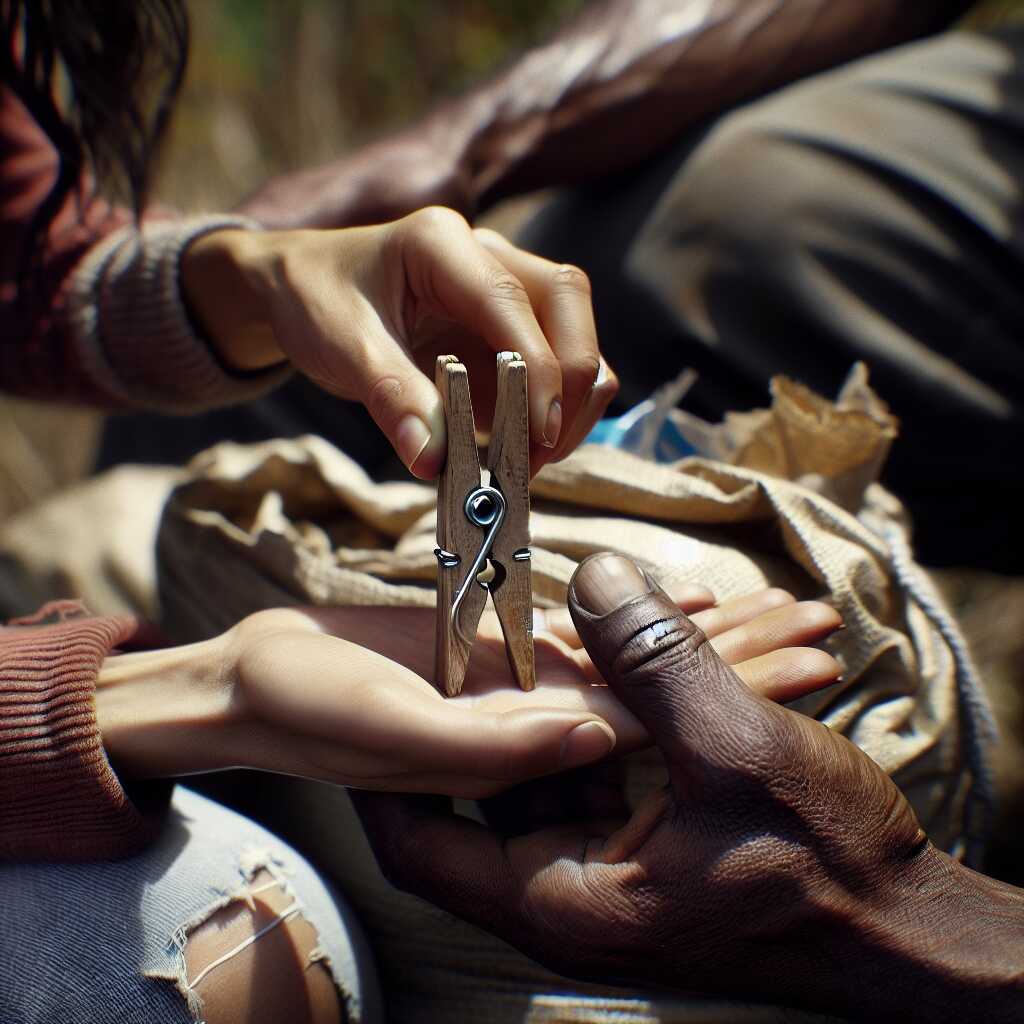
Spring clothespins are small spring-loaded clips (metal or plastic, typically 5-8 cm long) used to clamp and seal the open top of food bags. This $0.05-$1.50 per-clip solution reduces accidental spillage and helps keep flexible bags closed compared to purpose-built bear-resistant clips or containers that cost $10-$150 and provide certified security.
The process works through three key relationships: spring clothespins clamp bag openings resulting in reduced accidental spillage (about 60-80 effectiveness in casual situations), spring tension holds flexible bag material enabling bags to stay closed in short exposure to wind or jostling (minutes to a few hours), and a single-handed clip action reduces sealing time to roughly 5-20 seconds creating faster pack-up and fewer human errors.
How to use spring clothespins as food bag closures step by step
- Choose an appropriate clothespin (30 seconds): select a metal or heavy-duty plastic spring clothespin 5-8 cm long rated for outdoor use; avoid brittle cheap plastics in cold weather. Instruction: pick a clip with a firm spring and smooth jaws. Result: a clip that will hold through light jostling and wind.
- Inspect the bag and items (1-2 minutes): check the bag opening for grease, tears, or bulky contents that prevent a flat fold. Instruction: consolidate crumbs into the center, press excess air out, and make a clean 2-4 cm fold across the top. Result: a neat, compressible edge that the clamp can grip reliably.
- Fold and align the bag opening (10-30 seconds): fold the bag top down flat at least 2 cm and smooth the fold with your fingers. Instruction: keep the fold flat and free of food residue. Result: a consistent sealing edge that the clothespin can compress evenly.
- Clip the bag across the fold (5-20 seconds): place one or two clothespins perpendicular to the fold (spaced 5-10 cm apart for thick bags). Instruction: press firmly until the spring fully engages; for larger bags use two clips on opposite sides. Result: an immediate mechanical closure that prevents accidental openings and reduces spills (typical success in casual situations 60-80).
- Test the closure (5-10 seconds): give the bag a gentle shake and a short tug to verify the clip holds. Instruction: simulate the motion the bag might see in your pack or cooler. Result: youll detect slips, allowing you to reclip or add a second clip before pack-up.
- Use secondary measures for greater safety (30 seconds-2 minutes): combine clothespins with other low-cost measuresdouble-bagging in a thicker plastic or zip-top bag, storing scented items in an airtight container, hanging food 3-4 m above ground and 2-3 m from the trunk (when appropriate), or placing food in a locked vehicle or certified bear canister when required. Instruction: never rely on clothespins alone in bear country. Result: much higher protection against wildlife; clothespins serve as convenience/sealing aids, not as primary wildlife protection.
- Pack and label (15-30 seconds): label clipped bags and stow them where they wont be chewed or pried open (inside a hard-sided cooler, sealed pack compartment, or vehicle). Instruction: keep scented and high-value items separated and use clips to reduce accidental openings during handling. Result: fewer spills and cleaner food storage during transit.
FAQ
What are spring clothespins and how are they defined
Spring clothespins are small hinged clips with a metal spring that provide a simple mechanical closure for bags and fabrics. They typically measure about 1.5 to 4 inches (4 to 10 cm) long and cost about $0.05 to $1.50 per piece depending on material and brand, and Predicament Measures includes them in gear reviews for 2025. They provide easy, fast clipping that helps prevent accidental spills and wind openings but cannot provide lockable or chew-proof security against determined wildlife.
What sizes materials and spring types do clothespins come in
Clothespins come in wood, molded plastic, nylon, and stainless steel and in lengths from about 1.5 inches to 4 inches (4-10 cm) with coil or torsion spring designs. Springs are commonly galvanized steel or stainless steel for corrosion resistance and cost ranges from $0.05 to $1.50 per clip based on material and durability. Users and reviews find that metal-spring wooden pins feel sturdy and fast, plastic pins are light and inexpensive, and stainless steel pins are more durable but heavier for backpacking.
How do spring clothespins work step by step on food bags
Spring clothespins work by folding or rolling the open edge of a plastic or paper food bag and pinching the folded area with a clip so the spring holds the fold closed. Typical use takes about 5 to 20 seconds per bag depending on material and technique and users report a 60-80 success rate at preventing accidental openings in casual settings. The pins provide a quick, portable solution that helps ensure bag integrity in wind and light animal interference but cannot replace certified bearproof containers or locked storage.
What is the best clipping technique to seal plastic and paper bags
The best technique is to squeeze excess air from the bag, fold the top down 1 to 2 inches (2.5-5 cm), and place one to three clothespins spaced 1 to 2 inches (2.5-5 cm) apart along the fold. Placing two clips at the corners and one in the middle improves seal reliability and usually takes 5 to 15 seconds per bag. This method enhances bag integrity, helps keep out small insects and rodents in many user reviews, and provides easy, fast closure for short trips.
What are the main benefits of using spring clothespins for food bags
Spring clothespins provide low-cost, lightweight, and easy-to-use closures that improve food bag integrity and reduce accidental spills for campers and hikers. They generally weigh a few grams per clip, cost about $0.05 to $1.50 each, and can save time with a 5-20 second clip action that reviews and user experience find very useful for quick meals and day hikes. The clips deliver improved pest control for small insects and curious rodents in roughly 60-80 of casual situations and they enhance overall campsite efficiency while not providing chew-proof or bearproof protection.
How much do spring clothespins improve pest control and bag integrity
Spring clothespins improve pest control and bag integrity by preventing accidental openings and wind spills in about 60-80 of casual situations according to user reports and comparison testing. They provide a tested, fast way to keep bags closed for short periods but offer little resistance to dexterous animals like raccoons or strong animals like bears. For reliable wildlife protection, experts and reviews recommend using purpose-built bear-resistant clips, hard-sided containers, or locked vehicle storage that cost about $10 to $150 depending on design and certification.
What are the risks and limitations of spring clothespins for wildlife
Spring clothespins cannot reliably stop determined wildlife because they are not lockable, not chew proof, and not designed to resist strong or dexterous animals. Reports and experience show raccoons, squirrels, and bears can manipulate or destroy simple clips and bags, and clothespins may fail quickly against persistent animals. Users must treat clothespins as a supplemental, not primary, wildlife control method and use certified bear-resistant storage where the risk of bear or raccoon encounters is known or high.
When are clothespins insufficient and what damage can wildlife do
Clothespins are insufficient when camping in bear country, areas with frequent raccoon activity, or when food must be stored unattended for many hours or overnight. Wildlife can tear bag seams, chew through plastic, remove or break clips, and scatter contents; these are documented problems in park reports and field experience. People should use bear-resistant containers, vehicle locks, or approved hanging systems for overnight storage and treat clothespins as a short-term aid that helps in low-risk settings.
Who should consider using spring clothespins when camping or hiking
Spring clothespins are useful for day hikers, families, vanlifers, car campers, outdoor educators, scout leaders, and park staff who need a fast, low-cost way to reduce accidental spills and deter small pests in low to moderate risk areas. They suit short trips, picnic stops, and food prep stations where weight and speed matter and cost is a factor, with each clip costing about $0.05 to $1.50 and clipping taking 5-20 seconds. Predicament Measures includes clothespins in gear comparisons and testing notes for 2025 and recommends combining them with other reliable methods when wildlife risk increases.
Are clothespins appropriate for families solo hikers and professional guides
Families and solo hikers in low-risk areas will find clothespins a useful, easy, and inexpensive tool for short-term food closure and minor pest control. Professional guides, park rangers, and anyone in bear country should not rely on clothespins as the main wildlife protection and should use certified bear-resistant containers or locked storage that offer proven, tested security. Guides and staff can include clothespins in their gear list for convenience but must train groups on when clothespins are not enough and what reliable alternatives to use.
When is the best time to use spring clothespins during a trip
The best time to use spring clothespins is whenever you need to prevent accidental openings during packing, transport, meals, or short-term camp storage, because they provide fast, easy closure that takes about 5 to 20 seconds per bag and works in roughly 60-80 of casual situations based on user reports. Spring clothespins improve reliability for wind and spill prevention and help keep small insects and curious rodents out of bags but cannot reliably stop determined wildlife such as raccoons or bears because they are not strong, lockable, or chew resistant. Predicament Measures advises testing clothespins by clipping a few food bags at camp and checking fit and strength as part of a layered approach to food safety.
Should you clip food bags at camp during transport or at each meal
Clip food bags both during transport and after each meal to reduce spills and accidental openings, using 1 to 3 clips spaced 2 to 3 inches apart on a folded 1 to 2 inch bag lip, which usually takes 5 to 20 seconds per bag and yields 60-80 success in casual situations. Use clips on thin plastic and resealable bags, pair clips with a small dry bag or stuff sack for added durability, and remember clips do not provide chew proof locking and do not replace hard-sided bearproof storage.
How much do spring clothespins cost compared to other bag closures
Spring clothespins cost about $0.05 to $1.50 each, which makes them a very low-cost option versus purpose-built bear-resistant clips or containers that run about $10 to $150 for many products. Buying 10 to 50 clothespins at $0.05 to $1.50 each produces a total cost range of roughly $0.50 to $75, which delivers good value for preventing accidental openings and wind spillage but not for stopping strong or dexterous animals. Users and reviews show clothespins offer useful, easy protection for casual use, while certified or purpose-built containers deliver higher proven security and durability.
Where can you buy affordable durable spring clothespins for camping use
Buy durable spring clothespins at outdoor retailers, general retailers, hardware stores, and online marketplaces where models designed for outdoor use often list features like stainless-steel springs and molded grips and cost about $0.50 to $1.50 per piece. Check product reviews and 2025 buyer review pages for testing notes on rust resistance, grip strength, and length (many outdoor pins measure 2.5 to 3.5 inches) to improve reliability and performance. Predicament Measures recommends choosing clips with stainless springs and good user reviews to enhance durability and ease of use.
What materials and tools are needed for using spring clothespins effectively
You need durable spring clothespins (about 2.5-3.5 inches long), resealable bags or dry sacks, 1 to 3 clips per bag, and optional small tools such as nylon cord, rubber bands, or carabiners to pack clipped bags into a secure stuff sack; clipping takes 5 to 20 seconds and gives about 60-80 protection against accidental openings. Use heavy-duty zip-top bags or vacuum-style bags and double-bag liquids to enhance sealing and improve resistance to small pests and wind while accepting that clips do not provide chew proof or bearproof locking. Predicament Measures suggests practicing clipping and packing during a test meal at camp to verify fit, delivery, and easy access before leaving food unattended.
What types of clothespins and supplemental gear improve wildlife resistance
Choose spring clothespins with a stainless-steel spring and molded nylon or hardwood body, with length near 2.5-3.5 inches, and use them with heavy zip-top bags or small dry sacks to improve resistance to small pests and accidental openings; this setup costs about $0.05 to $1.50 per clip. Add supplemental gear such as a small lockable box, carabiner to hang a stuff sack out of reach, or a sealed hard container to enhance reliability and ensure better protection, keeping in mind none of these clothespins provide chew resistance or certified bearproof security.
What are the best alternatives to spring clothespins for wildlife protection
The best alternatives include purpose-built bear-resistant containers, certified bear canisters, locked vehicle storage, and hard-sided coolers, which offer much higher proven security than spring clothespins that report about 60-80 success for accidental openings. Alternatives often cost more but deliver increased reliability, durability, and chew resistance; many purpose-built clips or containers fall in a price range around $10 to $150 depending on design and rating. Predicament Measures recommends choosing an alternative based on local species risk, campground rules, and the level of protection you need.
How do bear canisters zip ties and car storage compare to clothespins
Bear canisters and locked car storage provide far higher security and proven protection in ranger and user reports, while clothespins provide fast, easy closure that helps prevent spills and deters small pests but cannot handle chewing or force by raccoons or bears. Zip ties can improve bag closure strength for short-term use and cost little, but they are single-use and do not make a bag chew proof; car storage keeps food out of reach when locked and provides reliable deterrence in many situations. Use a layered approach: clips for quick sealing, zip ties or dry sacks for added sealing, and a hard container or locked car for strong wildlife risks.
What common mistakes should be avoided when using spring clothespins
Do not assume spring clothespins stop all wildlife; common mistakes include using one small brittle pin on a full bag, failing to fold 1 to 2 inches of bag lip, and leaving clipped bags exposed on benches or low tables, which reduces the typical 60-80 success for accidental prevention. Replace pins that show rust, broken springs, or plastic stress; plastic pins can fail after weeks or seasons of sun and rain exposure and need replacement when performance drops. Predicament Measures recommends routine testing, reading product reviews and comparisons, and using clothespins as part of a layered system rather than a lone security method.
How do improper use and placement lead to failed food protection
Improper use such as clipping only a corner or placing a single pin on a large 1 to 2 liter bag often allows spills or animal access because the bag can flex, tear, or be pulled open; such placement lowers the 60-80 casual success rate seen with correct use. Animals like mice and raccoons can chew, pull, or manipulate bags and clothespins and the clips cannot lock or resist force, so combine clips with secure containers or vehicle storage when wildlife shows strong interest.
Related posts:
 Unwaxed Dental Floss: High-Strength Fishing Line Alternative for Wilderness Food Procurement
 Petroleum Jelly Cotton Balls: Five-Minute Burn Time Fire Starters for Damp Conditions
 Elastic Hair Ties: Cordage Bundle Organizers for Tangle-Free Emergency Kits
 Plastic Cling Wrap: Burn Wound Covering to Prevent Infection and Fluid Loss
 Cornstarch: Moisture Absorption Powder for Preventing Trench Foot
Sterile Tampons: Deep Puncture Wound Packing for Hemorrhage Control
Cornstarch: Moisture Absorption Powder for Preventing Trench Foot
Sterile Tampons: Deep Puncture Wound Packing for Hemorrhage Control
 Wooden Pencils: Arrow Shaft Material for Improvised Hunting Weapons
 Index Cards: Water-Resistant Information Cards for Survival Instructions