How To – Powdered Detergent: Bulk Soap Supply for Group Hygiene Needs
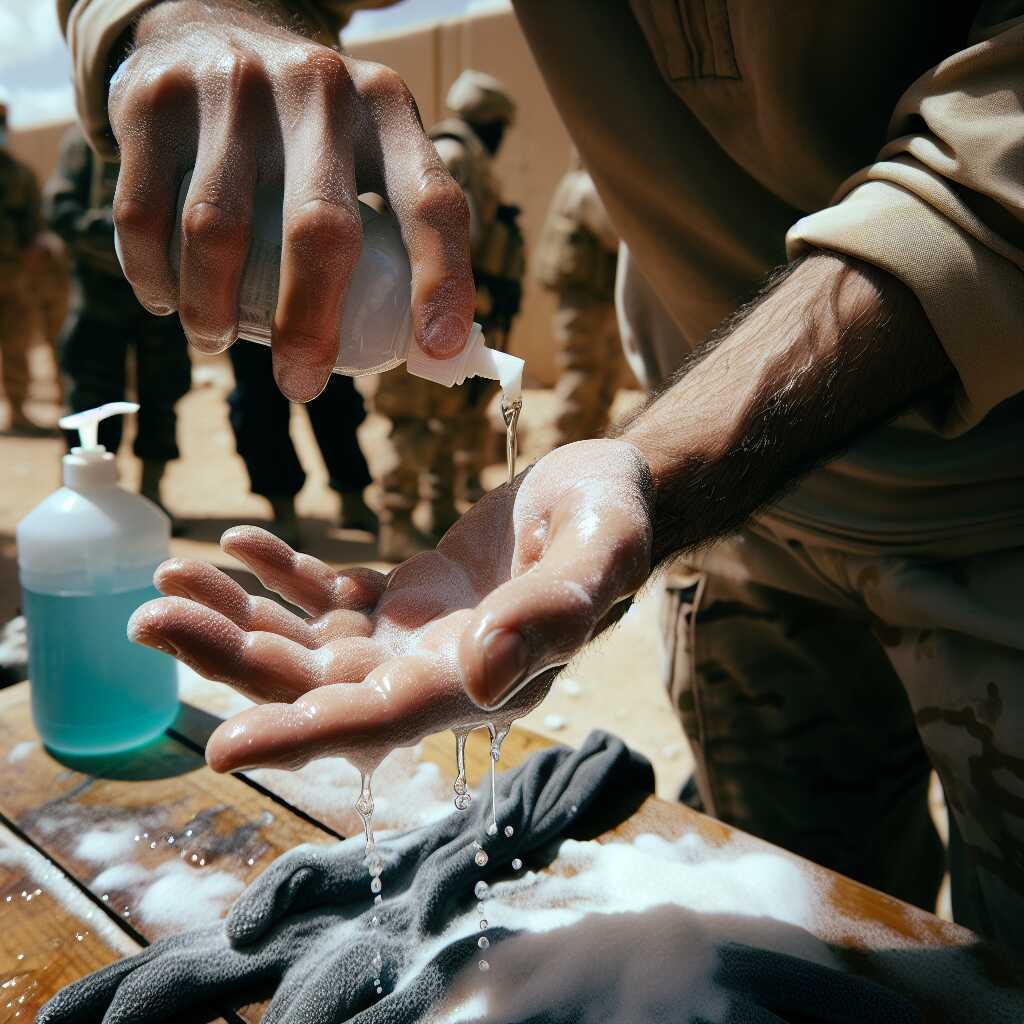
By Predicament Measures
Quick Answer: Can powdered detergent be used for group handwashing and bulk hygiene supply
Yes, powdered detergent can be used for group handwashing and bulk hygiene supply because it is concentrated, low cost, and effective at removing dirt and many pathogens when used with adequate water and correct technique but it is not a disinfectant and can irritate skin or damage some materials
- Effectiveness: Handwashing with soap or detergent for 20 seconds can reduce diarrhoeal disease risk by roughly 30 to 50
- Cost: Bulk powdered detergent typically costs about $0.01 to $0.05 per handwash equivalent compared with about $0.02 to $0.10 per wash for liquid soap depending on brand and bulk pricing
- Time: Prepare a wash solution in 2 to 5 minutes; individual handwash 20 seconds; communal laundry cycles run 30 to 90 minutes
- Limitation: Powdered detergent cannot act as a medical disinfectant or sterilant, cannot reliably kill all pathogens on contact, may irritate skin or eyes, and is unsafe if ingested
Powdered detergent is a concentrated, dry cleaning agent (usually a blend of surfactants, builders and fillers) used for handwashing and laundry in bulk settings. This $0.01-$0.05-per-handwash solution delivers low-cost cleaning and dirt removal compared to liquid soap at about $0.02-$0.10 per wash.
The process works through three key relationships: powdered detergent mixed with water removes grease and dirt resulting in measurable pathogen load reduction (handwashing for 20 seconds reduces diarrhoeal disease risk by roughly 30-50), measured dosing and distribution enable consistent soapy solution for handwashing enabling predictable user practice and supply management, and bulk purchasing of powdered detergent reduces unit cost creating savings of roughly $0.01 to $0.05 per handwash compared with typical liquid soap purchases.
How to set up powdered detergent for group handwashing and communal laundry step by step
- Assess needs and procure bulk powder (1-2 hours planning): Estimate users (e.g., 500 people 3 handwashes/day = 1,500 handwashes/day). Order common bulk packaging (for example, 25 kg sacks or 1 kg boxes) from trusted suppliers. Result: You have a procurement plan and a purchase order sized to supply the expected daily handwash and laundry demand for the event or facility.
- Calculate budget and unit cost (30 minutes): Use bulk price quotes to compute cost per handwash. Example: if a supplier quote yields $50 for 25 kg (2,500 g), and average per-handwash powder use is estimated to give $0.01-$0.05 per wash, confirm that the per-wash cost meets your budget. Result: Clear budget line item and unit cost for monitoring.
- Store correctly (15-30 minutes setup; ongoing monitoring): Place sealed sacks/boxes in a dry, ventilated area off the floor, protected from rain and pests. Use first-in, first-out (FIFO) rotation. Result: Product integrity maintained and losses from moisture or contamination minimized.
- Prepare wash solution for handwashing stations (2-5 minutes per batch): Select a convenient batch size (common operational batches are 5-20 L). Follow the product label for dosing; many field programs prepare simple soapy-water batches at low concentrations that produce lather and can be refilled quickly. Time to mix a batch: 2-5 minutes. Result: Ready-to-use soapy-water for handwashing stations that supports 20-second washes.
- Set up dispensers and stations (30-60 minutes for multiple stations): Install 5-20 L containers or purpose-built soapy-water dispensers at key locations (latrines, kitchens, food lines). Provide running water or a rinse container nearby. Result: Accessible, visible handwashing points that encourage 20-second handwashing practice.
- Train staff and users (15-30 minutes per session): Brief volunteers/staff on correct use: wet hands, apply soapy solution, scrub all surfaces for 20 seconds, rinse and air-dry. Emphasize that powdered detergent is not a disinfectant and to avoid eye contact and ingestion. Result: Higher compliance and correct technique; expected reduction in diarrhoeal risk in the 30-50 range when adherence is achieved.
- Manage supplies and refills (daily to weekly tasks): Track consumption (e.g., refill frequency per station). Typical monitoring cadence: daily inventory checks and weekly stock reconciliation. Result: Continuous supply with timely reorder triggers to avoid stockouts.
- Use for communal laundry (30-90 minutes per laundry cycle): For communal laundering of towels/linens, follow manufacturer dosing for machine or hand-wash cycles; allow 30-90 minutes per batch including wash and rinse. Result: Bulk-cleaned textiles while monitoring mechanical wear and fabric compatibility.
- Monitor safety and adverse effects (ongoing): Record skin irritation or eye exposure incidents; provide alternative mild soap or barrier creams if irritation occurs. Clearly label containers Not for drinking and keep out of reach of children. Result: Reduced health risks and documented incidents to inform procurement of gentler formulations if needed.
- Waste management and environmental considerations (weekly planning): Collect greywater routing where possible, avoid discharge to drinking-water sources, and comply with local waste regulations. Result: Minimized environmental impact and compliance with sanitation standards.
FAQ
What is powdered detergent exactly and what does it contain
Powdered detergent is a dry, concentrated cleaning product made of surfactants, builders, enzymes, bleaching agents, fillers, and fragrance that provides cleaning power for handwashing and laundry in group settings.
Typical powdered detergent formulations include surfactants for grease removal, builders such as sodium carbonate for hardness control, enzymes for stain breakdown, and oxygen-based bleach for whitening, and these ingredients are designed for efficiency and tested performance in laundry and general cleaning.
The product reliability, testing, and safety reviews show powdered detergent cleans well for dirt and many microbes when used with water, offers shelf life of many months if kept dry, and cannot act as a medical disinfectant or sterilant and cannot safely be ingested.
How is powdered detergent different from bar soap for hygiene
Powdered detergent differs from bar soap by using synthetic surfactants and builders that work across hard water and at lower doses while bar soap is a fatty-acid salt that works well for direct hand contact and skin tolerance.
Powdered detergent usually costs about $0.01 to $0.05 per handwash equivalent in bulk, compared with bar soap at about $0.02 to $0.10 per wash, and powdered detergent can handle larger bulk laundry with less volume and better dosing control in camps and shelters.
How does powdered detergent work step by step for group washing
Powdered detergent works by dissolving surfactants and builders into water to loosen oils and soils, then mechanical action and rinsing remove soiled material and reduce pathogen load when users follow proper handwashing technique for 20 seconds.
Field use steps include preparing the wash solution in 2 to 5 minutes, wetting hands or clothes, applying detergent solution and scrubbing for 20 seconds for handwashing or 30 to 90 minutes for communal laundry cycles, and rinsing thoroughly to remove residue and improve comfort.
Testing and operational experience show that correct handwashing with soap or detergent for 20 seconds can lower diarrhoeal disease risk by roughly 30 to 50 percent in population settings, and powdered detergent delivers reliable cleaning when water, dose, and technique are managed.
What concentration and water temperature should be used for solution
For handwashing make a mild solution by dissolving about 1 to 5 grams of powdered detergent per 5 liters of water (about 0.2 to 1.0 g/L) to provide suds and cleaning without excess skin irritation and to enable fast mixing in 2 to 5 minutes.
For communal laundry use 15 to 50 grams of powder per 10 liters of wash water (about 1.5 to 5.0 g/L) depending on soil level, and use water at 30 to 60C for better stain removal where safe and available, noting higher temperatures improve cleaning but require energy and safety measures.
Field teams should follow manufacturer dosing printed on the product, perform a small test wash when possible, and review product testing and comparison data to ensure safe and effective results for each use case.
What are the main benefits of using powdered detergent in bulk supplies
Powdered detergent provides cost-effective bulk cleaning, compact storage, and long shelf stability, and it typically costs $0.01 to $0.05 per handwash equivalent when bought in bulk lots of 5 kg to 25 kg, offering reliable value for events and shelters.
Logistics benefits include pack sizes of 1 kg, 5 kg, and 25 kg that deliver high wash counts, easy distribution to water points, and efficient weight-to-wash ratios that lower shipping and storage costs compared with many liquid soaps.
Practical review data and operational experience show powdered detergent works well to enhance group hygiene when paired with correct dosing, water supply planning, and simple monitoring and testing of supply use and satisfaction.
How much water and soap does each person typically need per wash
An individual handwash typically uses about 0.5 to 2.0 liters of water and about 0.5 to 2.0 grams of powdered detergent per wash when using a mild solution, with 20 seconds of scrubbing recommended for best results.
For laundry planning expect 10 to 50 liters of wash water per laundry cycle and 15 to 60 grams of powder per 10 liters depending on load size and soil level, and planners should budget 2 to 12 liters of water per person per day for routine handwashing needs in group settings.
What are the risks and limitations of powdered detergent for hygiene use
Powdered detergent cannot serve as a medical disinfectant or sterilant and cannot reliably kill all pathogens on contact, and product pH and some ingredients can irritate skin and eyes if used undiluted or in high concentrations.
Other risks include accidental ingestion by children, damage to some fabrics or surfaces if overdosed, and reduced performance in very cold water; groups must manage these risks with clear labeling, safe storage, and proper dosing and testing.
Operational safety protocols and reviews recommend training, use of mild solutions for handwashing, and the availability of alternative disinfectants such as chlorine solutions for surface disinfection when required by health guidance.
How can skin irritation and accidental ingestion be prevented in groups
Prevent skin irritation by using low-dose solutions (about 0.2 to 1 g/L for hands), providing clear dosing instructions, offering fragrance-free formulations when possible, and making emollient hand creams available to people with sensitive skin after a pilot test and review.
Prevent accidental ingestion by storing powder in sealed containers off the ground and out of reach, labeling containers with warnings, keeping single-use scoops dedicated to dosing, training staff for 30 to 60 minutes on safe handling, and posting first-aid steps such as rinsing eyes with water for 15 minutes and seeking medical attention if ingestion occurs.
Who should consider using powdered detergent for organized group hygiene
Relief agencies, NGOs, camp and event organizers, school and institutional facility managers, disaster response coordinators, and community health volunteers should consider powdered detergent for bulk handwashing and basic communal washing when cost, transport, and storage are priorities.
Planners who need reliable, tested, and durable cleaning supplies for groups of 50 to 5,000 people will find powdered detergent useful for meeting hand hygiene and laundry needs while ensuring supply chains remain efficient and costs remain low.
Predicament Measures provides guidance, product reviews, and comparison information to help teams select powders that match local water quality, dosing systems, and logistics for the best practical results in 2025 field operations.
What are recommended pack sizes and per person supply rates for events
Recommended pack sizes include 1 kg for small events, 5 kg for medium gatherings, and 25 kg for large sites; one kilogram can yield about 500 to 2,000 handwash equivalents depending on dose (0.5 to 2.0 g per wash) and a 25 kg bag can yield about 12,500 to 50,000 handwashes.
Per person supply planning rates are 2 to 5 grams per person per day for handwashing-only scenarios and 20 to 50 grams per person per week for combined laundry and cleaning needs, with resupply triggers set for 7 to 14 days based on usage reviews and stock monitoring.
When is the best time to use powdered detergent for large group cleaning tasks
Use powdered detergent when you need a low-cost, concentrated cleaning product for handwashing, communal laundry, dishwashing, floor mopping, or surface cleaning at events, shelters, camps, and emergency sites. Powdered detergent provides cost efficiency and ease of transport for groups of 50 to 5,000 people, prepares into a wash solution in 2 to 5 minutes, and helps remove visible dirt and many pathogens when users wash hands for at least 20 seconds. Powdered detergent cannot act as a medical disinfectant, can irritate skin or eyes, and can damage some fabrics and finishes so relief agencies must plan protection, testing, and review for materials and user safety.
How long should mixed detergent solutions be stored before replacement
Replace mixed detergent solutions for handwashing and surface cleaning at least every 24 hours to maintain cleaning reliability and reduce microbial growth risk. If stored in sealed, cool containers you can extend storage to a maximum of 48 hours while monitoring appearance, odor, and foam levels, and while noting that cleaning efficiency often falls after 24 to 48 hours. Mixed detergent does not disinfect, so staff must record mixing time, perform visual review before use, and discard any solution that looks cloudy, has odor, or has visible contamination.
How much does powdered detergent cost compared to liquid soap and bars in bulk
Powdered detergent typically costs about $0.01 to $0.05 per handwash equivalent when bought in bulk, which often gives lower price per use than liquid soap and is comparable to or cheaper than bulk bars. Bulk liquid soap commonly costs about $0.02 to $0.10 per handwash equivalent and bulk bar soap ranges vary widely by weight and quality so planners should run a comparison using local supplier quotes and review bulk pricing for 2025 procurement. Cost planning must include storage and handling costs, testing for user acceptability, and the clear limitation that powdered detergent is not a disinfectant and will not replace chemical disinfection where required.
What is the per wash cost and storage cost for different soap types
Estimate per wash cost for powdered detergent at $0.01 to $0.05, for liquid soap at $0.02 to $0.10, and for bar soap at about $0.005 to $0.03 depending on brand and bulk discounts, and include validation by supplier reviews and testing. Plan storage cost of $8 to $30 per 20 L plastic jerry can, $30 to $100 for secure shelving or lockable cabinets per event, and additional handling labor of 0.1 to 0.5 staff-hours per 100 people per day for dispensing and monitoring. These cost ranges help agencies compare reliability, durability, and logistics and show that powdered detergent provides good unit cost performance while offering less control over skin sensitivity and no disinfection properties.
What materials and tools are needed for powdered detergent group use
Required materials include powdered detergent supply in sealed bags or drums, 20 L mixing containers or drums, 5 to 20 L dispensing jugs or tap-equipped jerry cans, measuring scoops, calibrated spoons or scales, handwashing stations or basins, signage, gloves, eye wash stations, and basic PPE for staff handling concentrates. Additional useful items include measuring cylinders or calibrated scoops marked 10 g and 15 g, labeled containers for prepared solution, locking storage, and simple testing strips or pH paper for spot checks and quality review. Predicament Measures recommends training staff for 15 to 30 minutes on measuring, mixing, and safety to enhance efficiency, reliability, and safe handling in group settings.
How much measuring and mixing equipment is required per 100 people
For 100 people plan 3 to 5 handwashing stations (one station per 20 to 35 users) with 3 to 5 x 20 L mixing containers and 3 to 5 x 20 L dispensers, two calibrated scoops (10 g and 15 g), one digital scale for batch checks, four 10 L backup buckets, and one lockable storage box for concentrates. Estimate daily detergent need using 3 to 5 handwashes per person per day and an estimated 0.1 to 0.5 g detergent per handwash equivalent, which gives about 30 g to 250 g powdered detergent per day for 100 people; use local testing to refine this range. Provide clear labeling, a mixing log that records time and ratio, and staff review to ensure the plan delivers reliable cleaning performance and minimizes waste and safety incidents.
What are the best alternatives to powdered detergent for group hygiene
Best alternatives include bulk liquid soap, bar soap, pre-mixed soapy water dispensers, and alcohol-based hand rubs for quick use when hands are not visibly soiled, and chlorinated solutions for surface disinfection only. Liquid soap provides controlled dosing and comfort, bar soap offers low per-use cost and proven effectiveness, and alcohol-based sanitizers deliver fast reduction of many pathogens when they contain at least 60 alcohol and when skin is not heavily soiled. Agencies must note that chlorine solutions and alcohol sanitizers have clear limitations: chlorine can irritate skin and damage fabrics while alcohol sanitizers do not remove visible dirt and are flammable.
When should alcohol based sanitizers be used instead of soap and water
Use alcohol-based hand sanitizers when soap and water are not available, when staff need rapid hand decontamination between tasks, or when handwashing stations are not practical during transit or brief interactions. Choose sanitizers with at least 60 ethanol or 70 isopropanol and use them for hands that are not visibly soiled, and plan them as a complement to soap and water for enhanced reliability in field settings. Do not use alcohol sanitizers as surface disinfectants or as a replacement for cleaning heavily soiled items, and ensure safe storage away from heat and open flames.
What common mistakes should be avoided when using powdered detergent for groups
Avoid using powdered detergent as a disinfectant, avoiding correct dosing, failing to train staff, and allowing mixed solution to sit more than 24 to 48 hours without review, because these mistakes reduce cleaning performance and increase risk of irritation. Avoid over-dilution that reduces cleaning efficiency and under-dosing that wastes product and increases cost, and avoid using undissolved powder directly on skin because it can cause irritation and burns. Predicament Measures advises regular testing, simple written mixing instructions, and review of user feedback to improve performance, reliability, and comfort.
How can over dilution and improper storage be prevented during events
Prevent over dilution by using calibrated scoops or pre-measured sachets and by keeping a written mixing ratio such as one marked scoop per 4 to 20 L depending on product concentration and local testing. Store concentrates in sealed, labeled containers in a locked, shaded area, keep prepared solution covered and dated, and require staff to replace prepared solution every 24 hours with a maximum of 48 hours if cool and sealed. Train staff for 15 to 30 minutes on dosing, monitoring, and safe handling, and conduct quick reviews and data collection to ensure reliable results and user comfort during events.
Related posts:
 Unwaxed Dental Floss: High-Strength Fishing Line Alternative for Wilderness Food Procurement
 Petroleum Jelly Cotton Balls: Five-Minute Burn Time Fire Starters for Damp Conditions
 Elastic Hair Ties: Cordage Bundle Organizers for Tangle-Free Emergency Kits
 Plastic Cling Wrap: Burn Wound Covering to Prevent Infection and Fluid Loss
 Cornstarch: Moisture Absorption Powder for Preventing Trench Foot
Sterile Tampons: Deep Puncture Wound Packing for Hemorrhage Control
Cornstarch: Moisture Absorption Powder for Preventing Trench Foot
Sterile Tampons: Deep Puncture Wound Packing for Hemorrhage Control
 Wooden Pencils: Arrow Shaft Material for Improvised Hunting Weapons
 Index Cards: Water-Resistant Information Cards for Survival Instructions