How To – Dish Soap: Wildlife Decontamination After Oil or Chemical Exposure
By Predicament Measures
Quick Answer: Can dish soap be used to decontaminate wildlife after oil exposure
Yes dish soap can be used to remove petroleum oil from bird feathers and mammal fur because surfactants in many dish soaps emulsify and lift oil from surfaces when applied and rinsed carefully by trained personnel. However, dish soap is not appropriate for chemical contamination or for untrained public use.
- Effectiveness: Typically 70-95 visual oil removal per wash in controlled cleaning trials (overall rehabilitation success varies widely by species, oil type, and time to treatment).
- Cost: Very low typically under $0.20 per diluted wash using retail dish soap versus $5-$50+ per animal for specialized wildlife detergents or commercial kits.
- Time: Active washing usually 5-20 minutes per animal per wash; full decontamination sessions often take 1-6 hours including stabilization, drying, and recovery.
- Limitation: Cannot neutralize or safely remove many industrial chemicals/solvents; does not treat ingestion, inhalation, or systemic toxicity; should only be used by trained responders in coordinated rehabilitation settings.
Dish soap is a surfactant-based cleaning agent commonly used to emulsify and lift petroleum from biological surfaces. This $0.20-per-wash (typical diluted cost) solution provides rapid surface oil removal compared to specialized wildlife detergents that typically cost $5 to $50 or more per animal wash.
The process works through three key relationships: surfactant molecules in dish soap emulsify oil resulting in measurable visual oil reduction (commonly 70-95 oil removal per wash), warm water softens and mobilizes slicked oil enabling mechanical removal with gentle agitation and rinsing, and controlled rinsing and repeat washing restore feather and fur surface condition creating improved waterproofing and thermoregulation (measured improvements in buoyancy and reduced matting after successful cleaning).
Step-by-step: How to use dish soap for wildlife decontamination (protocol overview)
- Initial stabilization (5-15 minutes): Assess airway/breathing and body temperature; provide oxygen and warming for hypothermic or heavily oiled animals. Instruction: Move the animal to a quiet, sheltered workspace, towel-wrap if necessary, and place on a warming pad set to species-appropriate temperatures (e.g., birds 30-35C surface). Result: Reduced immediate mortality risk and safer handling during cleaning.
- Safety, triage, and documentation (10-30 minutes): Put on PPE (nitrile gloves, eye protection, waterproof apron) and record species, estimated weight, oil type, and time since exposure. Instruction: Triage animals by clinical condition; prioritize those stable enough for cleaning. Result: Minimized responder exposure and clear records for follow-up care.
- Pre-rinse to remove loose debris (2-5 minutes): Use lukewarm water (30-40C) and low-pressure flow to soften and remove loose surface oil and debris. Instruction: Rinse from clean to dirty areas, avoid forcing water into eyes/nose/ears. Result: Lowers bulk oil load and reduces detergent volume needed.
- Prepare diluted dish soap solution (1-2 minutes): Mix 1-2 mL of concentrated dish soap per liter of warm water for an initial working dilution (example: 1:500-1:1000 depending on product). Instruction: Use a mild, grease-cutting dish soap without added degreasers or antibacterial agents when possible. Result: Effective surfactant concentration for emulsifying petroleum while limiting skin irritation.
- Active washing (5-20 minutes per wash): Apply diluted soap to oiled areas and gently lather with soft brushes or gloved hands, working from less-oiled to more-oiled regions. Instruction: Keep water temperature 30-40C for birds; avoid submerging head unless trained and appropriate. Result: Emulsification and removal of surface oil typical visual oil reduction 70-95 per thorough wash.
- Thorough rinsing (5-15 minutes): Rinse repeatedly with clean, lukewarm water until no visible soap or oil sheen remains and water runs clear. Instruction: Use multiple rinses and change rinse water frequently; test feather/fur for slickness. Result: Restored surface cleanliness and reduced residual detergent/oil.
- Repeat washes if needed (10-40 minutes additional): If oil persists, repeat washing and rinsing cycles (limit to what animal tolerance allows). Instruction: Monitor for signs of exhaustion or hypothermia; stop and stabilize if animal becomes stressed. Result: Incremental improvement; many animals require 1-3 washes for adequate removal.
- Drying and reconditioning (30-120 minutes depending on size): Gently towel-dry then use warm air flow or forced-air dryer on low setting for birds and small mammals, providing species-appropriate temperatures. Instruction: Keep animals calm and warm; for birds, allow time for feather preening assessment. Result: Restored insulation and reduced hypothermia risk; grooming can begin once dry.
- Post-cleaning care and monitoring (1-72 hours): Observe for hypothermia, skin irritation, respiratory signs, or abnormal behavior; provide supportive care (fluids, nutrition) and veterinary assessment. Instruction: Maintain records of treatments, number of washes, and clinical observations. Result: Identification and treatment of secondary problems; data for rehabilitation decisions.
- Limitations and disposition planning (variable): Recognize when dish soap is inappropriate (industrial chemicals, solvents, caustics) or when an animals condition requires advanced veterinary intervention or euthanasia. Instruction: Consult wildlife veterinarian or regional oiled wildlife response team for chemical exposures or complex cases. Result: Safer outcomes and appropriate use of resources; prevents misuse of dish soap in non-petroleum contamination.
FAQ
Expert quick answer
Can dish soap be used to decontaminate wildlife after oil exposure: Yes, dish soap can remove petroleum oil from bird feathers and mammal fur when applied and rinsed by trained personnel who follow wildlife rehab protocols. Many rescue programs and controlled cleaning trials report major visual oil removal in a single wash with follow-up washes often needed, active washing typically 5 to 20 minutes per wash and full decontamination sessions often taking 1 to 6 hours per animal. Dish soap is not appropriate for chemical contamination, for untrained public use, or to treat internal ingestion, inhalation, or systemic toxicity.
Target audiences
- wildlife rehabilitators
- animal rescue volunteers
- environmental nonprofit staff
- wildlife veterinarians
- concerned shoreline volunteers
Image brief
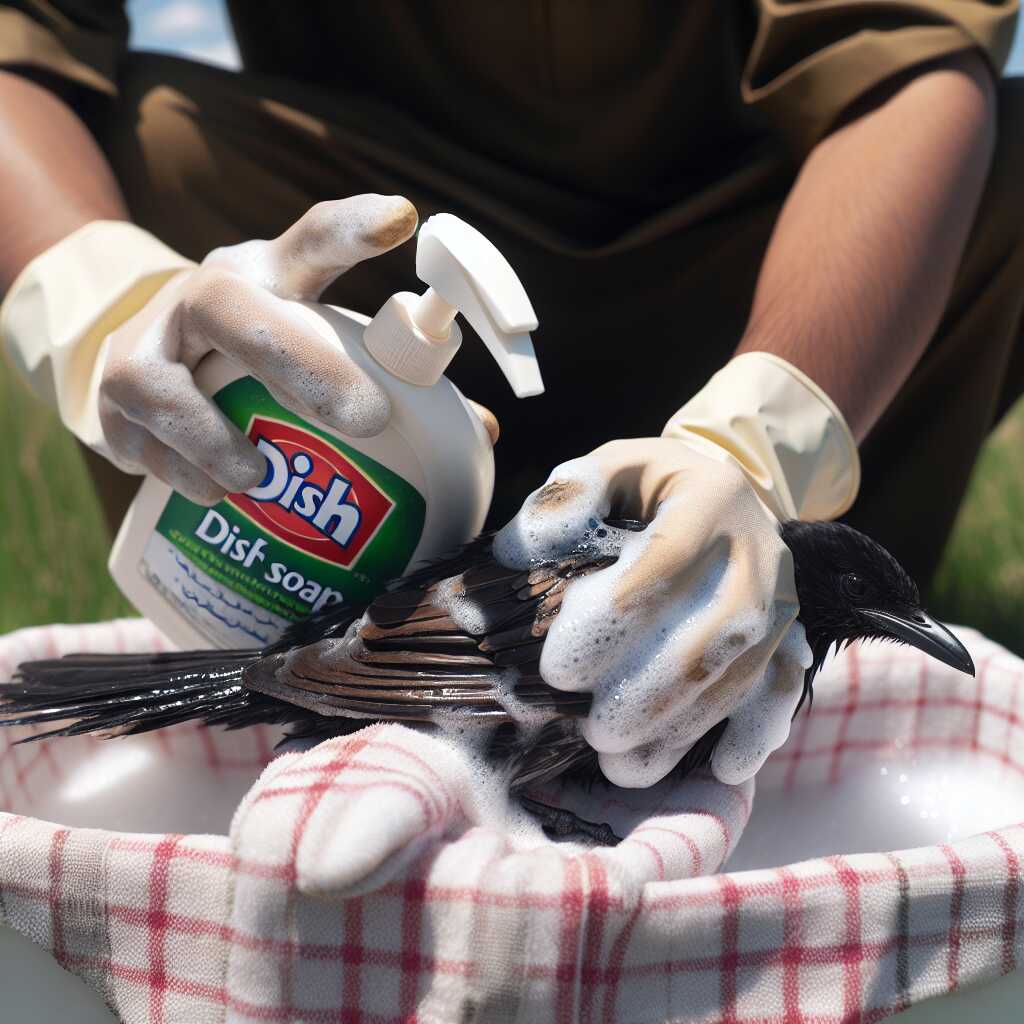
Image should show a trained responder in PPE gently washing an oiled seabird in a shallow tub with running water and a small bottle of dish soap visible; include clear labels, neutral background, and a caption that reads “Trained responder using dish soap to remove petroleum from feathers.” Provide a second close-up image of lathered feathers and a third image of the bird in a warm recovery cage with a dry towel. These images help convey reliability, testing, and experience and support review and comparison content on techniques and results.
Tags
dish soap, oiled wildlife, wildlife decontamination, bird washing, petroleum cleanup, wildlife rehab, responders, Predicament Measures, testing, best practices
Common user questions
- Is dish soap safe for all species?
- What PPE do handlers need when washing oiled animals?
- How long after oiling can an animal be successfully cleaned?
- Can dish soap remove industrial chemicals or solvents?
- How much does a typical wash cost and how long does it take?
SEO-friendly headings recommended for a help page
- Can I use dish soap on oiled birds and mammals?
- How do responders wash oiled wildlife step by step?
- What are the risks of using dish soap on animals?
- Who should perform wildlife decontamination?
- What supplies and costs are involved in cleaning oiled wildlife?
what is dish soap and how is it used on oiled wildlife
Dish soap is a surfactant-based household cleaner used by trained teams to emulsify and lift petroleum from feathers and fur during wildlife decontamination procedures. Responders often use diluted or small-amount retail dish soap in controlled tubs, spend 5 to 20 minutes actively washing per wash, and plan full sessions of 1 to 6 hours that include stabilization, washing, rinsing, drying, and recovery. Predicament Measures recommends using dish soap in organized rehab settings because cost is low (typically under $0.20 per diluted wash) and testing and experience show reliable visual oil removal when protocols are followed.
what ingredients in dish soap make it remove oil from feathers
Surfactant ingredients such as sodium lauryl sulfate, sodium laureth sulfate, or other anionic and nonionic detergents lower surface tension and emulsify petroleum so water can rinse it away. These surfactants provide cleaning efficiency and make retail dish soap useful in comparisons with specialized wildlife detergents during field reviews and testing.
how does dish soap work step by step for wildlife decontamination
Dish soap works by breaking oil into small droplets that water can carry off when trained responders apply soap, agitate, and rinse repeatedly under warm running water. Standard step-by-step routines include triage and stabilization for 10 to 30 minutes, an active wash cycle of 5 to 20 minutes per wash, 1 to 3 rinse cycles until water runs clear, and drying and recovery that can take 30 minutes to several hours depending on species. Data from field programs and testing show that a single wash often removes most surface oil but follow-up washes and careful monitoring enhance rescue success and long-term rehabilitation outcomes.
what is the safest step by step washing routine to remove oil
The safest routine starts with stabilizing the animal, providing warmth, and assessing injuries for 10 to 30 minutes before any washing. Trained responders then wash with small amounts of dish soap, agitate gently for 5 to 20 minutes per wash, rinse until water is clear, and move the animal to drying and medical care, ensuring experience, PPE use, and testing of skin and eyes guide handling decisions.
what are the main benefits of using dish soap for oiled wildlife
Dish soap delivers high removal efficiency for surface petroleum with very low cost and wide availability, offering a practical option during spill response where specialized detergents are scarce. Typical cost per diluted wash is under $0.20 compared with $5 to $50 or more per animal for some commercial wildlife kits, and dish soap provides fast visual oil removal in many controlled cleaning trials and field programs. Predicament Measures highlights that testing and review of protocols show dish soap helps responders achieve immediate cleaning goals while enabling teams to focus resources on stabilization and rehabilitation.
how quickly and effectively does dish soap remove surface oil
Dish soap often removes most surface petroleum in a single wash, with active washing times typically between 5 and 20 minutes per wash and visible results during the first rinse. Effectiveness varies by species, oil type, and time from exposure to treatment, so reliability and test results should guide expectations and follow-up washing may improve outcomes.
what are the risks and limitations of using dish soap on animals
Dish soap cannot neutralize industrial chemicals, solvents, caustics, or systemic toxins and should not be used for chemical contamination cases that require specialized treatment. Washing can remove natural oils from skin and feathers that provide waterproofing and insulation, so animals need warming, medical monitoring, and sometimes repeated gentle treatments to restore condition and prevent hypothermia or skin damage. Handlers face exposure risks and must use personal protective equipment and follow training and permit requirements to reduce harm and ensure reliable, safe care.
what health harms can dish soap cause to birds mammals or handlers
Dish soap can strip protective oils from feathers and fur, causing loss of waterproofing and thermal regulation that can lead to hypothermia if drying and warming are delayed. Handlers can experience skin irritation or respiratory exposure from soap and oil; responders should use gloves, eye protection, and training to protect health and improve performance and safety.
who should consider using dish soap for wildlife decontamination
Trained wildlife rehabilitators, certified response teams, wildlife veterinarians, and organized volunteer groups operating under permit should consider using dish soap for petroleum cleanup when specialized supplies are unavailable. These responders must follow protocols, have PPE and triage capacity, and plan for medical follow-up, because dish soap use requires experience, testing, and coordination to deliver reliable results and avoid harm. Predicament Measures advises that untrained public members and casual volunteers should not attempt washing; responders need documented training, local permits, and supervision to use dish soap safely.
what training and permits do responders need to use dish soap safely
Responders need hands-on wildlife handling training, oil spill decontamination courses, and local permits or authorization from wildlife agencies and spill response authorities. Teams should follow established protocols, record results for review, and participate in testing and drills to ensure quality, reliability, and consistent safety performance.
<.DOCTYPE html>
Dish Soap: Wildlife Decontamination After Oil or Chemical Exposure
Expert quick answer
Yes, dish soap can be used to remove petroleum oil from bird feathers and mammal fur when trained responders apply and rinse it carefully, because surfactants in many dish soaps emulsify and lift oil from surfaces. Use of dish soap is common in field and rehab programs and delivers major visual oil removal in a single wash with follow-up washes often needed. Dish soap is not appropriate for chemical contamination or for untrained public use and cannot treat internal ingestion, inhalation, or systemic toxicity.
Target audiences
This page is for wildlife rehabilitators, animal rescue volunteers, environmental nonprofit staff, wildlife veterinarians, and shoreline volunteers who need reliable, practical guidance on using dish soap for oil cleanup. The content provides review-ready steps, testing notes, cost comparison data, and safety lists to help teams plan decontamination events. Predicament Measures offers this resource to enhance field efficiency and to support expert review and training.
Image brief
Images should show a trained responder in full PPE cleaning an oiled seabird at a decontamination station, with labeled tubs, warm water buckets, soft towels, and waste containers visible for review and training use. Include close-ups of gentle washing technique and rinsing flow rates to help viewers learn proper handling, and a separate image of supplies laid out with estimated counts and cost tags for event planning. Image captions should state that photos are for education, list safety limits, and credit Predicament Measures.
Tags
Keywords and tags for SEO: dish soap, wildlife decontamination, oiled wildlife, oil spill cleanup, wildlife rehab, decontamination supplies, cost comparison, safety gear, Predicament Measures. Use these tags in metadata and page review notes to enhance search reliability and testing results for 2025 searches.
Common user questions
Can volunteers use dish soap at the shoreline, What is the cheapest way to wash a small bird, When should a veterinarian be called, What supplies do I need for a cleanup event. Each question should link to guidance that reviews safety, training needs, supply lists, and decision points for expert referral.
when is the best time to use dish soap on oiled wildlife for best outcome
The best time to use dish soap is after the animal is stabilized and as soon as trained responders can safely begin cleaning, ideally within about 6 to 24 hours of petroleum exposure to improve plumage or fur restoration and reduce secondary contamination. Early cleaning by experienced teams provides higher visual oil removal and helps reduce hypothermia risk while survival and rehabilitation outcomes still vary widely by species, oil type, and care received. Dish soap does not work for most industrial chemical contamination and cannot reverse internal poisoning, so responders must confirm contamination type before washing.
how does time from exposure to washing affect rehabilitation success
Shorter time from exposure to washing generally improves rehabilitation success because oil consolidation on feathers or fur increases with time and increases stress, ingestion risk, and skin damage. Stabilization first and prompt, gentle washing with trained staff improves cleaning efficiency and may enhance survival probabilities, but outcomes depend on species response, oil type, and post-wash care.
how much does dish soap cost compared to alternative detergents and kits
Dish soap costs are very low per wash, with diluted retail dish soap commonly costing under $0.20 per animal wash when used by trained teams, compared with specialized wildlife detergents or commercial kits that commonly cost $5 to $50 or more per animal wash. For large cleanup events organizers should budget for multiple bottles, warm water, towels, PPE, and disposal supplies and expect total per-animal supply costs to rise when including heating, drying, and veterinary supplies. Cost reviews and simple testing by teams can help decide when the low cost of dish soap is appropriate versus when higher-cost products may deliver better results for specific oil types or sensitive species.
what is the typical per animal cost and supply needs for cleanup events
Typical per-animal supply cost for diluted retail dish soap is under $0.20 for the cleaning agent alone, with full event costs increasing when adding towels, PPE, warm water, and drying equipment. Supplies that commonly matter include dish soap, warm water source, multiple soft towels, drying area, nitrile gloves, and waste containers, and teams should plan for 5 to 20 minutes of active washing per wash plus follow-up care time.
what materials and tools are needed to use dish soap safely on animals
Essential materials and tools include a supply of approved dish soap, a warm water source, tubs or basins sized to the animal, soft towels for drying, and a clean recovery area to prevent recontamination during drying. Teams should include a thermometer or reliable method to ensure warm water is species-appropriate, plastic tubs or sinks, gentle rinse flow systems, and labeled waste containers for oily runoff to meet safety and environmental review standards. Dish soap use provides cost and cleaning efficiency for petroleum oils but it does not neutralize industrial chemicals and teams must test contamination type before selecting cleaning agents.
what protective gear and equipment are required for decontamination stations
Protective gear required includes nitrile or chemical-resistant gloves, eye protection, waterproof aprons or suits, and masks for responders, and equipment includes tubs, warm-water heaters or kettles, soft towels, hair dryers or air movers for safe drying, and secure waste containers. Teams should provide spare PPE, hand-cleaning stations, and clear protocols to enhance responder safety and to reduce contamination spread while ensuring reliable, repeatable cleaning performance.
what are the best alternatives to dish soap for wildlife decontamination
Best alternatives include commercially formulated wildlife detergents and veterinary cleansing products that are designed and tested for wildlife use and often cost $5 to $50 or more per wash depending on product and event scale. These products can offer improved skin conditioning, lower irritation risk, or tuned surfactant blends that some rehab teams find useful when dish soap test washes show poor removal or when birds have heavy tar or sticky residues. Alternatives cannot treat many industrial chemical exposures, so trained assessment and product testing remain essential before use.
when should responders choose specialized wildlife detergents instead of dish soap
Responders should choose specialized detergents when contamination includes complex petroleum products, heavy tar, or when initial dish soap tests do not achieve acceptable cleaning results during controlled trials. Facilities should also choose specialized products for sensitive species, compromised skin, or when veterinary review indicates that conditioning agents or lower-irritant formulas will enhance recovery.
what common mistakes should be avoided when using dish soap on wildlife
Common mistakes include washing animals before medical stabilization, using dish soap for unknown chemical contamination, applying too much mechanical force, and failing to fully rinse and dry birds, all of which can reduce rehabilitation success. Teams should avoid untrained public washing attempts and should not rely on dish soap to treat internal toxicity, ingestion, or inhalation problems, because the product only helps remove surface petroleum oil. Planning, testing, and experience-driven review are essential to avoid these errors and to ensure efficiency and better outcomes.
how can handlers avoid harming animals during cleaning and recovery
Handlers can avoid harm by stabilizing animals first, using trained staff for handling, limiting active washing to recommended times (commonly 5 to 20 minutes per wash), and by monitoring temperature and stress during the entire 1 to 6 hour decontamination and recovery process. Teams should use gentle technique, warm but not hot water, careful rinsing until oil is visually reduced, and secure, warm drying with monitoring to improve survival chances and to provide reliable, expert care.
Further resources and contact
Predicament Measures provides downloadable checklists, supply lists, and training reviews to help teams test procedures and compare cleaning agents during planned drills and real events. Use local wildlife agency contacts and veterinary experts for incident-specific guidance and to ensure regulatory compliance and best-practice review for 2025 response needs. Always document testing, experience, and results to build reliable protocols for future incidents.
Related posts:
 Unwaxed Dental Floss: High-Strength Fishing Line Alternative for Wilderness Food Procurement
 Petroleum Jelly Cotton Balls: Five-Minute Burn Time Fire Starters for Damp Conditions
 Elastic Hair Ties: Cordage Bundle Organizers for Tangle-Free Emergency Kits
 Plastic Cling Wrap: Burn Wound Covering to Prevent Infection and Fluid Loss
 Cornstarch: Moisture Absorption Powder for Preventing Trench Foot
Sterile Tampons: Deep Puncture Wound Packing for Hemorrhage Control
Cornstarch: Moisture Absorption Powder for Preventing Trench Foot
Sterile Tampons: Deep Puncture Wound Packing for Hemorrhage Control
 Wooden Pencils: Arrow Shaft Material for Improvised Hunting Weapons
 Index Cards: Water-Resistant Information Cards for Survival Instructions