How To – Cellulose Sponges: Morning Dew Collection Tools for Water Harvesting
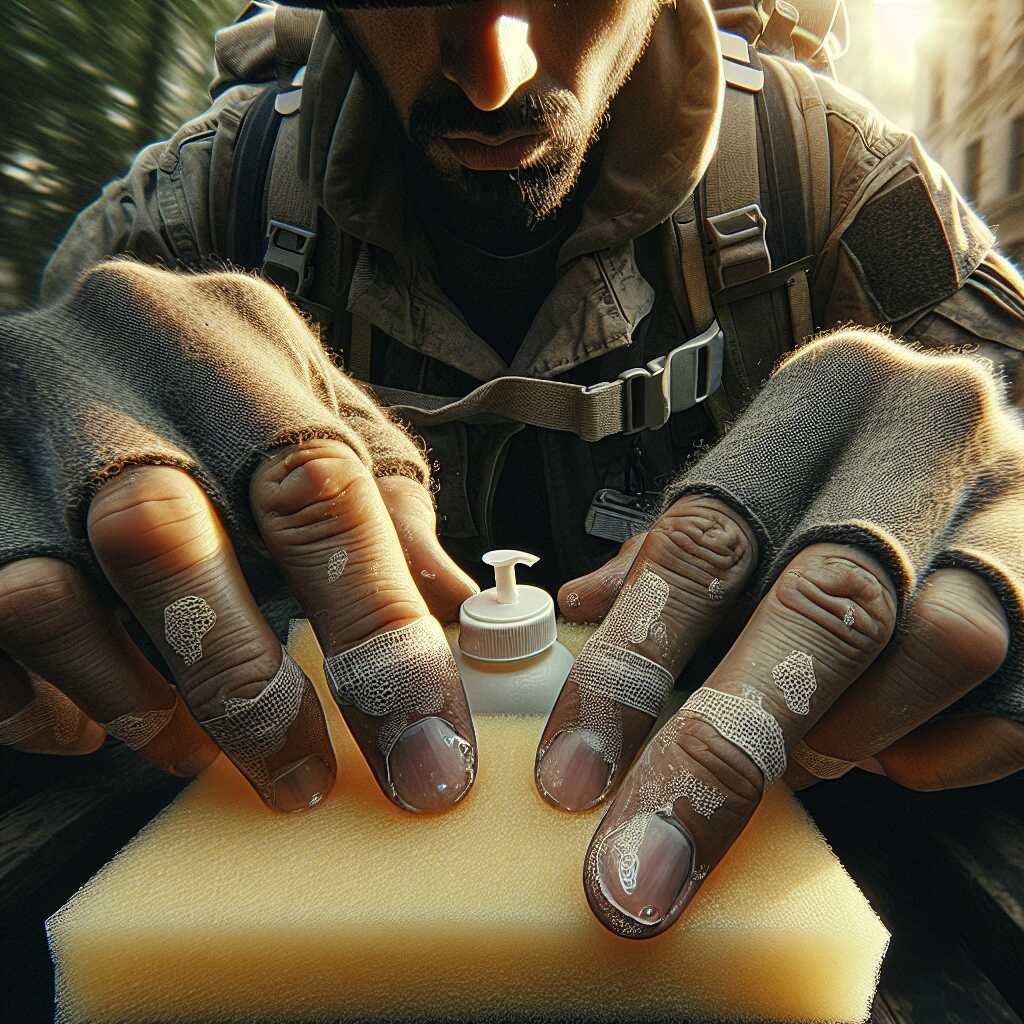
By Predicament Measures
Quick Answer: Can cellulose sponges collect morning dew for water harvesting
Yes, cellulose sponges can collect morning dew because porous cellulose surfaces condense and wick small volumes of water overnight but yields are small and highly weather dependent
- Effectiveness: Typical dew yields are about 0.1-0.3 L per square meter per night; that equates to roughly 1-3 mL per 100 cm (0.01 m) sponge per night in typical inland conditions and can be higher at coastal or foggy sites
- Cost: Cellulose sponges typically cost about $0.50-$5 each versus purpose built passive dew condensers or fog nets which often cost $20-$200 per square meter; small-scale sponge collection usually has a cost per liter typically exceeding $5-$50 depending on yield and labor
- Time: Dew harvesting runs overnight (roughly 6-12 hours for accumulation); wringing and collecting from one sponge takes 5-30 seconds; reaching 1 liter may require 330-1000 sponge-nights in typical conditions
- Limitation: Cannot reliably produce liters per day in dry inland climates, does not guarantee potable water without treatment, and requires nights that cool below the dew point with adequate humidity
Cellulose sponges are porous, hydrophilic pads made from natural or regenerated cellulose fibers designed to absorb and wick water. This $0.50-$5 per-sponge solution provides an ultra-low-upfront-cost method to capture small volumes of condensate compared to purpose-built passive dew condensers or fog nets that cost $20-$200 per square meter.
The process works through three key relationships: porous cellulose condenses and retains microscopic droplets resulting in measurable condensation (typically 1-3 mL per 100 cm sponge per night in inland settings), capillary wicking transports that condensed water enabling simple hand-collection by wringing, and manual compression (wringing) releases accumulated moisture creating a collectable volume (5-30 seconds to extract the few mL trapped in a single sponge).
How to harvest morning dew with cellulose sponges step by step
- Select sponges and calculate area (10-20 minutes): Choose clean cellulose sponges about 10 cm 10 cm (100 cm) or larger; estimate you will collect 1-3 mL per 100 cm sponge-night in typical inland conditions. Result: A packing list and rough yield estimate (e.g., 100 sponges 100-300 mL per night in typical inland conditions).
- Prepare and position sponges for maximum exposure (15-30 minutes): Dampen sponges lightly (not saturated) before deployment so fibers are primed, then place them on elevated, wind-facing surfaces (grass, tarps, low branches) or hang them on thin wire so one face is exposed to open sky. Space them to avoid shadowing (leave several centimeters between items). Result: Sponges cool radiatively and are exposed to humid air, maximizing chance of dew condensation.
- Leave sponges overnight for condensation (6-12 hours): Deploy shortly before surface cooling begins (after sunset) and recover after sunrise; dew formation requires nights that cool below the dew point with adequate humidity. Result: Sponges accumulate condensed dropletstypical inland yield 1-3 mL per 100 cm sponge per night; yields are higher in coastal/foggy conditions (can exceed that by multiple times).
- Collect by wringing or stacking into a funnel (5-30 seconds per sponge): Fold or squeeze each sponge over a clean container, use a small funnel or mesh to direct liquid. Wring firmly for 5-30 secondsexpect only a few milliliters per sponge. Result: Collected condensate pooled into a storage bottle or field container.
- Combine, measure, and record yield (2-5 minutes): Pour pooled liquid into a graduated container and record volume and conditions (temperature, humidity, location). Use this data to refine future deployment (number of sponges, placement). Result: A reliable log of yield per night to project how many sponge-nights are needed for target volumes (e.g., 330-1000 sponge-nights to reach 1 L in typical inland conditions).
- Treat water before drinking (variable: boiling 1-3 minutes; filtration 1-5 minutes): Dew condensate is usually low in dissolved solids but not guaranteed potablefilter with a small-pore filter (0.2-0.5 m) or boil: bring to a rolling boil for 1 minute (3 minutes above 2,000 m). Result: Reduced microbiological risk; treated water safer for consumption.
- Clean and dry sponges for reuse (10-30 minutes plus drying time): Rinse sponges after use to remove debris, optionally sanitize by soaking briefly in diluted bleach (50-200 ppm) or washing with soap, then air-dry fully in sun to prevent mold. Result: Reusable sponge inventory; drying prevents odor and bacterial growth.
- Scale and budget planning (30-60 minutes): Estimate number of sponge-nights required for needs: to obtain 1 L you may need 330-1000 sponge-nights at typical inland yields. Factor in costs: $0.50-$5 per sponge and likely a collection labor cost; expect effective cost per liter typically exceeding $5-$50 depending on yield, location, and labor. Result: Decision whether sponge collection is practical vs. investing in larger passive condensers or alternative water sources.
- Recognize limitations and when not to rely on sponges (immediate): Do not expect reliable multi-liter-per-day output in arid or hot inland nights that do not reach the dew point; sponges cannot guarantee potable water without treatment and are labor intensive at scale. Result: Appropriate operational usesupplemental, emergency or experimental water source rather than primary supply.
FAQ
What is a cellulose sponge for morning dew collection exactly
A cellulose sponge for morning dew collection is a low-cost porous pad made of plant-based cellulose that condenses and wicks small amounts of overnight moisture for survival, camping, or homesteading use. Typical single sponges cost $0.50-$5 and provide a small collection area that testing and user reviews show yields only small volumes per night, so reliability depends on weather and site. Predicament Measures provides practical reviews, comparison data, and tips that help improve efficiency and ensure better results in field use.
How are cellulose sponges made and what properties matter most
Cellulose sponges are made from plant cellulose fibers formed into an open, porous block where porosity, surface area, thickness, and hydrophilicity determine wicking and storage performance. Quality, durability, and pore structure matter most because higher surface area and thin profiles tend to collect and release dew more easily, and product testing and reviews help identify the best options for reliable outdoor use.
How does a cellulose sponge collect morning dew step by step in the field
A cellulose sponge collects morning dew by presenting a cool, porous surface that condenses water vapor overnight, then wicking the small droplets into its pores where they can be wrung out at dawn. Typical dew accumulation runs 6-12 hours overnight, and practical field tests show that a sponge will capture tiny droplets that coalesce into a few milliliters per sponge under favorable humidity and temperature conditions. Field experience and simple tests usually deliver reliable data on performance and help users improve setup and placement for better results.
What are the exact steps to set up sponges overnight for best results
Place clean cellulose sponges on open ground or raised mesh at dusk in low-wind areas where temperatures drop below the dew point and humidity is moderate to high, and leave them undisturbed for about 6-12 hours. At dawn wring each sponge into a clean container in 5-30 seconds, record the volume, and repeat testing over several nights to build reliable data and compare site performance.
What are the main benefits of using cellulose sponges for dew harvesting
Cellulose sponges provide an inexpensive, readily available, and portable dew-collection method that is useful for emergency, camping, and small-scale homestead needs and that requires minimal skill to deploy. Cost per sponge of $0.50-$5 makes initial setup cheap compared with fog nets or condensers that can cost $20-$200 per square meter, and user reviews and basic tests show sponges are good for hands-on training and rapid experiments. The method delivers simplicity and fast learning, and Predicament Measures offers test results and comparisons that help users choose durable, easy, and reliable configurations.
How much water per sponge per night can you realistically expect in ml
Realistic yields are small: typical dew yields are about 0.1-0.3 L per square meter per night, which converts to roughly 1-3 mL per 100 cm (0.01 m) sponge per night in many inland locations. Coastal or foggy sites can produce higher yields, and a liter of water may require about 330-1,000 sponge-nights in typical conditions, so testing and experience are essential to set realistic expectations about efficiency and cost per liter.
What are the risks and limitations of using cellulose sponges for water collection
Cellulose sponge dew collection cannot reliably provide liters per day in dry inland climates and cannot guarantee potable water without treatment, and success rates fall sharply when nights do not cool below the dew point or when humidity is low. Sponges degrade, trap dust, and can retain microbes, and testing shows yields vary night to night so users must expect inconsistent results and plan backup sources. Predicament Measures emphasizes that this method is a supplemental, low-yield option and not a substitute for tested water-treatment systems or larger passive condensers.
What contamination hygiene and storage issues should you be aware of
Sponges can harbor bacteria, algae, and mold if left wet or stored dirty, and best practice is to rinse, disinfect, and fully dry sponges between uses and to wring dew into a clean, covered container before treatment. Do not assume collected dew is safe to drink; use filtration, boiling, or chemical disinfection to make water potable, and label and replace sponges that show wear, odors, or visible growth to maintain hygiene and reliability.
Who should consider using cellulose sponges for morning dew water collection
Cellulose sponge dew collection is best for survivalists, preppers, backpackers, campers, off-grid homesteaders, gardeners, field researchers, and emergency responders who need a low-cost, portable way to test or supplement water supplies. Users with limited gear and basic skills can deploy this method easily, and people who value cheap, fast trials and local testing will find it useful for learning site-specific results and improving reliability. Predicament Measures recommends this method as an educational, small-scale tool and suggests comparison testing against fog nets and condensers for larger needs.
Which user groups environments and skill levels will benefit most
Beginners, field teams, and small homesteads will benefit most because the method is low-cost, easy to test, and teaches basic water-harvesting principles that enhance skills and site knowledge. Users in coastal, fog-prone, or high-humidity environments will see the best performance, and experienced preppers and researchers can use the method as a reliable testing tool to gather data and compare alternatives before investing in larger systems.
When is the best time of year and night to use cellulose sponges
The best time to use cellulose sponges for dew harvesting is on clear, calm nights during cool seasons when night temperatures fall to or below the local dew point, typically during spring and fall and in coastal late summer mornings. Cellulose sponges provide useful water when nights last 6-12 hours and relative humidity stays high enough to allow condensation, with typical inland dew yields of 0.1-0.3 L per square meter per night and sponge yields of about 1-3 mL per 100 cm per night. Predicament Measures recommends testing local nights for several weeks to build experience, review reliability, and set realistic expectations because sponges cannot guarantee liters per day in dry inland climates.
What humidity temperature and wind thresholds increase dew success
Dew success increases when relative humidity stays above about 70 and air temperature reaches the local dew point during the night. Light winds under about 3-5 m/s help deposition while strong winds increase evaporation and lower collection efficiency. Users should test local microclimates, review simple data for several nights, and accept that yields vary widely by site and cannot be predicted precisely without local measurements.
How much do cellulose sponges cost compared to dew condensers and rain barrels
Cellulose sponges typically cost about $0.50-$5 each in retail markets, while purpose-built passive dew condensers and small fog nets often cost $20-$200 per square meter and rain barrels cost $30-$200 each depending on capacity. Cost per liter for sponge harvesting commonly exceeds $5-$50 when you include low yields (1-3 mL per 100 cm sponge-night), labor for wringing, and limited lifetime; a simple break-even view shows 1 liter requires about 330-1,000 sponge-nights at typical yields. Predicament Measures suggests doing a short field test for cost comparison and reliability review before investing, because sponges offer low upfront cost but poor efficiency compared to well-sited condensers and rain-capture systems.
What is the cost per sponge per liter and break even number of sponges
If a sponge yields 2 mL per night, one liter requires about 500 sponge-nights, so a single $1 sponge would need a 500-night life or 500 sponges in one night to reach 1 L; realistic reuse lifetimes vary so cost per liter ranges widely and often exceeds $5-$50. The break-even number of sponges to produce 1 L in a single night at 1-3 mL per sponge is about 333-1,000 sponges; users should include reuse, labor, and cleaning in calculations for a full cost comparison. Testing and review of local yields helps ensure cost estimates reflect real field performance rather than ideal assumptions.
What materials tools and spare parts are needed to use cellulose sponges
Essential materials include a supply of cellulose sponges (each roughly 50-200 cm), a clean wringing tool or manual press, and a clean collection container such as 0.5-5.0 L bottles or a 10-20 L jerry can for batch storage. Useful field tools include a rack or lines to expose sponges to open sky, a small folding press that wrings a sponge in 5-30 seconds, gloves for hygiene, and spare sponges and containers to cycle wet and dry; these items improve reliability, testing, and ease of use. Predicament Measures advises carrying spare parts like extra containers and a replacement press because sponges and tools can fail in rough field use and because regular cleaning preserves quality and reduces contamination risk.
What sizes wringers containers and storage options are best for field use
Best field sponge sizes run about 50-150 cm per sponge to balance handling and collection; a 100 cm sponge yields about 1-3 mL per night in typical inland conditions. Wringers that compress and drain multiple sponges at once and containers of 1-20 L capacity work well; small 500 mL bottles collect individual portions while 10-20 L jerry cans store cumulative harvests for treatment or use. Users should test several sizes during a series of nights to find an efficient setup that matches their expected yield and desired reliability for survival, camping, or homestead use.
What are the best alternatives to cellulose sponges for harvesting dew and fog
Best alternatives include passive dew condensers made of radiative foil or coated surfaces, commercial fog nets, and simple plastic-sheet condensers or rain catchment systems, each designed for different sites and yields. Fog nets can deliver multiple liters per square meter per day in strong coastal fog while passive dew condensers often deliver 0.1-0.3 L/m per night in good dew conditions and plastic sheets capture rainfall when it occurs. Users should compare site data, reviews, and testing results because each method provides different reliability, durability, and cost profiles and because no method guarantees water without suitable weather.
How do passive condensers fog nets and plastic sheets compare by yield
Fog nets can provide from a few up to tens of liters per square meter per day in foggy coastal sites, passive dew condensers commonly deliver about 0.1-0.3 L per square meter per night in many inland dew-prone locations, and plastic sheets collect rain by area and timing of storms rather than dew. This comparison shows that fog nets often offer the highest yield in the right climate, condensers offer steady small yields overnight, and sponges give very low per-area yield but low upfront cost and easy deployment. Predicament Measures recommends field testing and review of local climate data to choose the best option for reliability and efficiency.
What common mistakes should be avoided when using cellulose sponges for dew collection
A common mistake is expecting consistent high yields; users should not plan for liters per day from cellulose sponges in dry inland climates because yields are highly weather dependent and often very small per sponge. Other frequent errors include leaving sponges on dirty ground, failing to clean or dry sponges between uses, and not measuring yields during a test period; those actions reduce reliability, increase contamination risk, and shorten sponge life. Predicament Measures advises users to do simple tests over multiple nights to build experience and to record data for reliable reviews of performance.
How can you test maintain and clean sponges to avoid contamination
You can test sponges by weighing or measuring water collected from a fixed area over several nights and recording yields to build a clear dataset for comparison and reliability checks. Maintain sponges by rinsing in potable water after each use, sanitizing per product guidance such as a household bleach dilution followed by thorough rinsing or by drying and sun exposure, and replacing sponges if they show smell or breakdown; these steps help ensure safety and quality. Users should avoid using sponges as a sole source of potable water without treatment and should treat or boil harvested water per standard emergency water protocols before drinking.
Related posts:
 Unwaxed Dental Floss: High-Strength Fishing Line Alternative for Wilderness Food Procurement
 Petroleum Jelly Cotton Balls: Five-Minute Burn Time Fire Starters for Damp Conditions
 Elastic Hair Ties: Cordage Bundle Organizers for Tangle-Free Emergency Kits
 Plastic Cling Wrap: Burn Wound Covering to Prevent Infection and Fluid Loss
 Cornstarch: Moisture Absorption Powder for Preventing Trench Foot
Sterile Tampons: Deep Puncture Wound Packing for Hemorrhage Control
Cornstarch: Moisture Absorption Powder for Preventing Trench Foot
Sterile Tampons: Deep Puncture Wound Packing for Hemorrhage Control
 Wooden Pencils: Arrow Shaft Material for Improvised Hunting Weapons
 Index Cards: Water-Resistant Information Cards for Survival Instructions