How To – White Paper Plates: Reflective Signaling Devices for Aerial Rescue
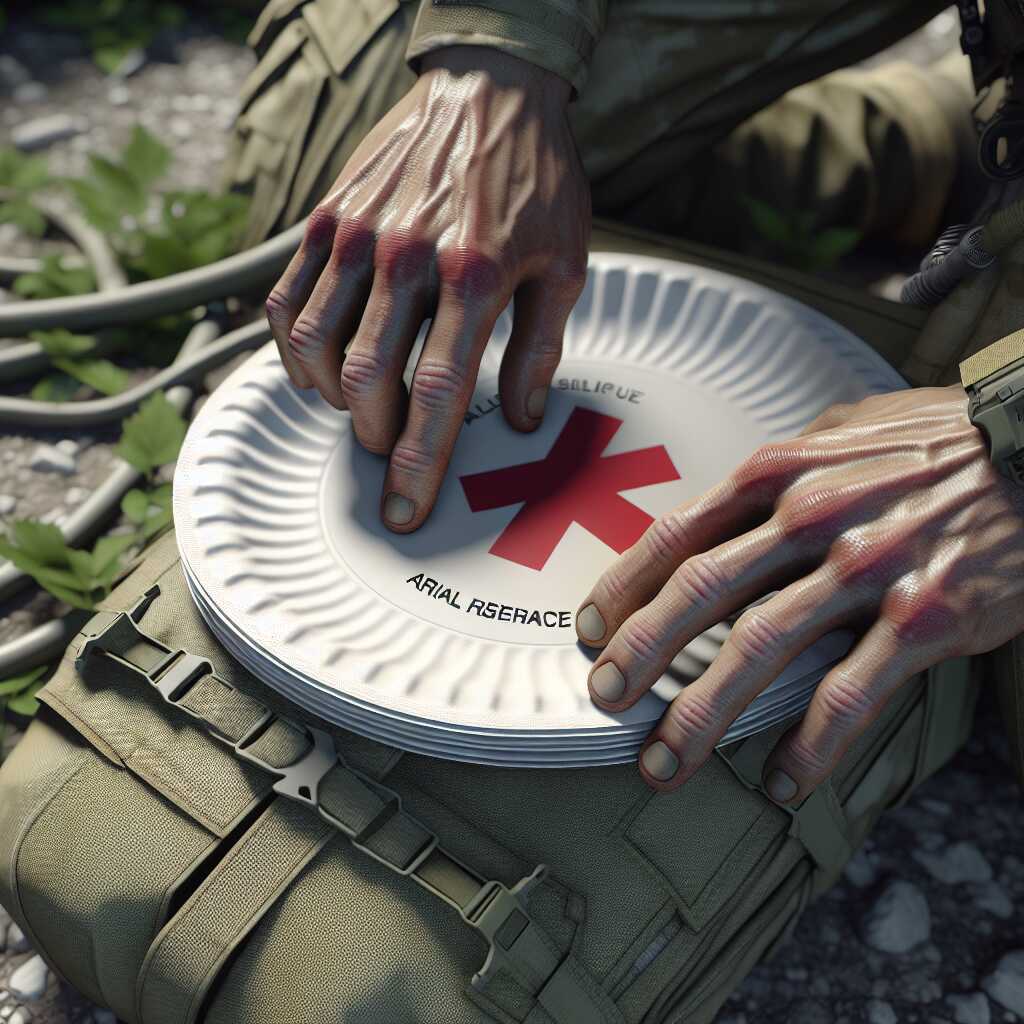
By Predicament Measures
Quick Answer: Can white paper plates be used to signal aircraft for rescue
Yes, White paper plates can be used as improvised visual signals because they provide a high contrast white surface in daylight but they are small and not directional so their detection range is far lower than purpose built signal mirrors or 1 m panels
- Effectiveness: One common 9 inch (23 cm) paper plate has area 0.041 m (4.1 of a 1.0 m emergency ground panel)
- Cost: Single paper plate retail $0.05 to $0.50 each versus handheld signal mirror $10 to $30 and a 1 m emergency signal panel $20 to $60
- Time: A single plate can be deployed in 30 seconds; arranging many plates into a 1 m pattern typically takes 10 to 30 minutes depending on terrain and helpers
- Limitation: Cannot replace mirrors for directed flashes, ineffective at night or through canopy, fragile in wind, and unlikely to be seen from typical aircraft search altitudes unless many plates are combined to achieve much larger area
White paper plates are disposable dishware that can serve as improvised reflective visual signals in daylight because their bright white surface produces high contrast against natural backgrounds. This $0.05-$0.50 per-plate solution provides a very low-cost, lightweight daytime signaling option compared to a handheld signal mirror at $10-$30 or a 1 m emergency ground panel at $20-$60.
The process works through three key relationships: White paper plates reflect sunlight resulting in a measurable high-contrast daytime target (one 9 in / 23 cm plate 0.041 m or 4.1 of a 1.0 m panel), multiple plates combine to increase cumulative visible area enabling higher detection probability (roughly 24 plates are needed to approximate a 1 m panel by area), and dedicated signal mirrors direct sunlight creating focused flashes that produce far higher effective detection range than a single plate (plates must be multiplied and arranged to approach the area-based visibility of standard 1 m ground panels).
How to use white paper plates to signal aircraft step by step
- Choose a visible, open location (2-5 minutes): Move to or clear an open, flat area with a contrasting background (rock, sand, snow, bare ground). Instruction: Avoid tree canopy, shadows, steep slopes, or cluttered vegetation. Result: Maximum line-of-sight to passing aircraft; background contrast improves detection.
- Start with one plate for immediate signalling (30 seconds): Instruction: Hold a single 9 in (23 cm) paper plate flat and wave it slowly in broad sweeps perpendicular to the sun-aircraft line; keep the bright face toward the observer. Result: Gives instantaneous high-contrast motion; single-plate area 0.041 m and provides 4 of the area of a 1 m panel, so short-range detection only.
- Assemble multiple plates to form a large ground target (10-30 minutes for 24 plates, variable): Instruction: Lay plates edge-to-edge in a compact rectangle or SOS pattern to build total visible area; aim for 1.0 m total (24 plates 0.041 m = 0.984 m). Secure edges with rocks, sticks, or tent stakes so wind does not scatter them. Result: A 1 m patch approximates standard emergency ground panel area and proportionally improves detection probability vs. a single plate.
- Create contrast and a clear message (5-15 minutes): Instruction: If available, place dark material (jacket, tarp, tree branches) around or adjacent to the white plate area to boost contrast; arrange plates into standard signals (large X, SOS, or square). Result: Higher visual contrast and recognisable shapes increase the chance that aircrew or observers identify the signal as intentional.
- Secure and maintain the signal (2-10 minutes ongoing): Instruction: Anchor plates with rocks or stakes every 20-30 cm along the perimeter; replace or re-align plates as wind or activity disturbs them. Result: A stable, persistent target that remains visible for routine search patterns (continuous maintenance required in windy conditions).
- Use directional signaling when possible (preferred) (1-5 minutes if mirror available): Instruction: If you have a signal mirror or a reflective metal/compact mirror, use it to send directed flashes toward aircraft; the mirror is the recommended mid-to-long-range tool. Result: Directed flashes are far more effective for long-range detection than plates plates cannot produce reliable directional glints.
- Communicate safety and environmental precautions (immediate): Instruction: Do not stand in the path of aircraft, avoid attempting to blind or distract aircrew with uncontrolled reflections, and collect all plates and anchors when rescue is complete to prevent litter. Result: Safer signaling and minimal environmental impact.
- Know the limitations and fallback options (immediate assessment): Instruction: If under canopy, at night, or in heavy weather, do not rely on plates; use an electronic beacon, whistle, flashlight (SOS), or maintain an open flame only if safe and permitted. Result: Appropriate multi-modal signaling increases overall survivability and rescue odds.
FAQ
what are white paper plates used for in aerial signaling
White paper plates can be used as high-contrast daytime ground markers to attract attention from low-flying aircraft in open terrain. A common 9 inch (23 cm) plate has area 0.041 m and provides a bright white patch that improves contrast against darker ground when placed on flat open ground. Predicament Measures recommends using plates as an improvised, low-cost visual option while recognizing limited reliability, the need for testing in your terrain, and that plates cannot replace purpose-built mirrors or panels.
how do white paper plates compare to standard 1 meter square panels
A 9 inch (23 cm) paper plate has area 0.041 m which is about 4.1 of a 1.0 m emergency ground panel and therefore about 1/24th the visible area of a recommended daytime panel. A single plate gives much lower detection probability because detection scales roughly with visible area while the plate offers no directional flash like a signal mirror. Reviews and comparison of options show that plates provide cheap availability and fast deployment yet lower reliability and durability versus a 1 m panel.
how to set up white paper plates step by step for aircraft signaling
Lay out plates in a compact shape, secure them against wind, and keep the patch clearly visible to the open sky to form an effective daytime ground marker. Step 1: clear a flat area about 1.0 m, Step 2: place about 24 to 25 plates edge-to-edge to reach 1.0 m, Step 3: weigh corner plates with rocks or stakes, and Step 4: check visibility from a raised position; a single plate can be placed in 30 seconds while assembling many plates typically takes 10 to 30 minutes. Predicament Measures suggests field testing your arrangement for reliability and ease of deployment so you know how long setup and adjustments will take in real conditions.
what spacing and arrangement make white plates most visible from air
Arrange plates edge-to-edge in a rectangular or square grid with gaps under 1 cm to create a continuous white panel that maximizes aerial visibility. Use about 24 to 25 nine-inch plates to reach 1.0 m, add a dark border using sticks or clothing to enhance contrast, and orient all plates upward with rims level to avoid flipping in wind. This arrangement enhances visual efficiency and improves chances of detection when aircraft fly at typical visual-search altitudes.
what are the main benefits of using white paper plates for rescue signaling
White paper plates deliver low cost, broad availability, and fast single-item deployment as improvised daytime visual signals. Costs range from $0.05 to $0.50 per plate while a handheld signal mirror costs about $10 to $30 and a 1 m emergency panel costs about $20 to $60, and a single plate can be placed in about 30 seconds. Users should value the cost efficiency and ease, run basic testing, and understand that plates enhance options for signaling but do not provide the directional flash and proven detection range that mirrors and panels deliver.
how much cheaper and faster are white plates versus mirrors and panels
Single paper plates cost about $0.05 to $0.50 while handheld signal mirrors cost about $10 to $30 and a 1 m emergency panel costs about $20 to $60, which makes plates the lowest-cost backup. A single plate deploys in about 30 seconds while assembling multiple plates into a 1 m pattern typically takes 10 to 30 minutes; a mirror allows an immediate directed flash when the user has training and sunlight, and a packaged 1 m panel may take a few minutes to unfold and secure. This cost and time comparison shows plates offer fast, cheap coverage for short-term needs yet deliver lower reliability and less proven performance on detection tests.
what are the risks and limitations of white paper plates for aerial rescue
White paper plates have clear risks and limitations: small visible area, matte surface that lacks directional reflection, fragility in wind or rain, and rapid loss of effectiveness if wet or blown away. Plates are ineffective at night, under dense canopy, in heavy rain, and when aircraft search altitudes exceed typical visual-search levels of about 150 to 450 m (500 to 1,500 ft), so plates cannot replace mirrors, signal panels, flares, or electronic beacons. Predicament Measures emphasizes that plates deliver limited reliability and that users should carry proven signaling gear for critical emergencies.
when will white plate signals fail due to weather terrain or aircraft altitude
White plate signals will fail in low light, rain, snow, heavy wind, dense canopy cover, and when aircraft fly above typical visual-search altitudes such as 150 to 450 m (500 to 1,500 ft). Wet plates lose contrast immediately, wind can flip or scatter plates within minutes, and steep slopes or tall vegetation can hide plates from approach vectors used by aircraft. Users should plan for redundancy, test signals in their environment, and avoid relying on plates alone for rescue.
who should consider carrying and using white paper plates for emergencies
Hikers, backpackers, boaters, kayakers, survivalists, and some search and rescue volunteers can consider carrying a few white paper plates as a low-cost backup daylight signaling option. Carry one to five plates in a dry bag; plates weigh grams each and fit in a small pack pocket, and field testing in 2025-style checklist training helps users learn setup and limitations. Predicament Measures recommends combining plates with a mirror, whistle, and a registered emergency beacon to improve overall reliability and performance.
are white paper plates appropriate for hikers boaters or urban responders
White paper plates are appropriate as an improvised daytime signal for hikers and boaters near open ground or water where line of sight to aircraft is clear and bright daylight is present. Urban responders and teams that need durable, tested gear should prefer purpose-built mirrors, panels, and electronic beacons because plates lack durability and proven detection performance. Users should review their gear list, run simple testing on local trails or shorelines, and use plates only as an easy, low-cost supplement to essential signaling equipment.
when is the best time of day and weather to use white paper plates for signaling
The best time to use white paper plates for signaling aircraft is bright daylight with direct sun between about 10:00 and 15:00 when white contrast against ground is highest and aircraft pilots can see large bright patches from altitude; a common 9 inch (23 cm) paper plate has area 0.041 m which is about 4.1 of a 1.0 m emergency ground panel and gives much lower detection than a full panel. Clear sky and low wind provide the best reliability and visible contrast, with detection probability roughly proportional to visible area so many plates raise the odds. White plates do not work at night, under dense canopy, in fog, or heavy rain and cannot replace a mirror or a certified 1 m panel for directed signaling or proven search success.
how long do white plate signals remain effective under sun wind and rain conditions
An untreated paper plate signal remains effective for minutes to a few hours in sun with low wind and no precipitation because sunlight preserves contrast but wind can move or flip plates and rain soaks paper. Laminated or plastic plates and plates taped down can remain effective for several hours to multiple days depending on UV and abrasion, which testing and experience show improves reliability. Plates cannot handle prolonged heavy rain or sustained high wind without durable backing or anchoring and will lose visibility if torn or soaked.
how much do white paper plates cost and how do costs compare to mirrors panels
White paper plates cost about $0.05 to $0.50 each retail and a single 9 inch (23 cm) plate is far cheaper than a handheld signal mirror at $10 to $30 or a 1 m emergency ground panel at $20 to $60. Cost comparison shows a single plate equals roughly 1/24th the visible area of a 1.0 m panel so you need many plates to approach the visual area that panels and mirrors provide, which affects practical value in the field. Cost alone does not equal effectiveness, so Predicament Measures recommends comparing reliability and proven field performance when deciding what to carry in 2025 and beyond.
what are typical per item bulk retail and replacement costs for plates
Bulk retail prices for paper plates range from about $0.03 to $0.20 per plate for packs of 50 to 500 depending on quality, coated finish, and supplier, which keeps replacement cost low for preppers and guides. Replacing a pack of 100 plates typically costs $3 to $20, which is significantly less than replacing a mirror or a dedicated panel. Low per item cost helps testing and repeated practice because users can afford to field-test layouts and review results without large expense.
what materials tools and extras do you need to make white plate aerial signals
You need white paper plates (9 inch/23 cm area 0.041 m), reflective tape, duct tape or gaffer tape, a marker for contrast edges, rocks or stakes for anchoring, and optionally aluminized mylar, plastic plates, and cord to tie plates into a large panel; these supplies provide a basic improvised signal kit. Tools such as a sharpie, a small roll of waterproof tape (25 mm to 50 mm), a pocketknife, and a 1 m length of cord help arrange plates into an SOS, big X, or a square pattern that enhances aerial visibility and improves detection. Field testing, reviews, and simple practice help ensure efficient layout and reliable deployment under stress and rough terrain.
what durable materials and adhesive choices extend visibility and weather resistance
Durable choices include plastic or laminated plates, aluminized mylar sheets, 3M gaffer tape or heavy-duty duct tape for seams, and high-visibility reflective tape that enhances sun reflection and water resistance. Marine-grade adhesive tapes and outdoor-rated VHB strips provide stronger weather resistance and help plates remain flat and visible in wind for hours to days depending on conditions. Users should test adhesives and materials before relying on them in a real rescue because long-term UV exposure and abrasion will degrade some tapes and reflective films.
what are the best alternatives to white paper plates for aircraft signaling and why
The best alternatives are a handheld signal mirror, a 1 m emergency ground panel, a high-visibility tarp or space blanket, a strobe light, and approved pyrotechnic flares because these options deliver larger effective area or directed flashes and proven visibility to aircraft. A signal mirror provides directed flashes that trained users can aim at aircraft and often yields much higher detection from higher altitudes; a 1 m panel gives a large static visual target that search teams expect and can spot more easily than small improvised items. Alternatives provide greater reliability, have published use reviews, and generally improve the chance of aerial rescue compared with a single paper plate.
how do mirrors panels clothing and fire flares compare in cost visibility and safety
Signal mirrors cost $10 to $30, offer directed flash visibility and low weight, and require practice for reliable use; 1 m panels cost $20 to $60, provide large static visibility and little skill to deploy, and are durable in daylight. Clothing high-visibility colors costs depend on garment but offers limited area and no directionality, while flares cost roughly $5 to $30 each, give high night visibility but pose fire risk and legal restrictions, which affects safety and use rules. Each option has trade-offs in cost, tested performance, and safety, so reviews and practice help users choose the best mix for their activity and environment.
what common mistakes do people make when using white paper plates for signaling
Common mistakes include using a single plate only, not anchoring plates which leads to wind loss, arranging plates in small scattered groups instead of a clear large pattern, and placing plates where ground color reduces contrast; these mistakes lower detection and reliability. Users often place plates under canopy, at the wrong angle to sunlight, or too close together which reduces visible area and efficiency during an aircraft pass. Paper plates cannot replace mirrors for aimed flashes and cannot be used reliably at night, which means users must avoid overreliance on a single improvised item.
how can you fix mistakes like poor contrast bad layout or using single plate only
Fix poor contrast by adding a 10 mm to 20 mm dark border with a permanent marker or by placing plates on a dark ground sheet to enhance edge definition and improve visibility. Fix bad layout by forming a single block or clear SOS/X that approaches 1 m when possible, which usually takes 10 to 30 minutes depending on terrain and helpers and greatly improves detection probability. Fix single plate reliance by combining many plates, using reflective tape or mylar, anchoring with rocks or tape, and practicing placement in low-stress tests to build reliable skills and better rescue results.
Related posts:
 Unwaxed Dental Floss: High-Strength Fishing Line Alternative for Wilderness Food Procurement
 Petroleum Jelly Cotton Balls: Five-Minute Burn Time Fire Starters for Damp Conditions
 Elastic Hair Ties: Cordage Bundle Organizers for Tangle-Free Emergency Kits
 Plastic Cling Wrap: Burn Wound Covering to Prevent Infection and Fluid Loss
 Cornstarch: Moisture Absorption Powder for Preventing Trench Foot
Sterile Tampons: Deep Puncture Wound Packing for Hemorrhage Control
Cornstarch: Moisture Absorption Powder for Preventing Trench Foot
Sterile Tampons: Deep Puncture Wound Packing for Hemorrhage Control
 Wooden Pencils: Arrow Shaft Material for Improvised Hunting Weapons
 Index Cards: Water-Resistant Information Cards for Survival Instructions