How To – Muslin Cloth: Water Pre-Filter for Removing Sediment Before Boiling
By Predicament Measures
Quick Answer: Can muslin cloth be used as a water pre filter to remove sediment before boiling
Yes. Muslin cloth can remove visible sediment and most particles larger than about 100 to 200 micrometers because the plain cotton weave traps large suspended solids, but it cannot remove bacteria, viruses, or dissolved chemicals so boiling or a certified purifier is still required.
- Effectiveness: Removes most visible sediment and particles >100-200 m and can reduce turbidity substantiallyoften in the range of 50-90 depending on weave, layers, and folding
- Cost: Muslin cloth typically $2-10 per piece versus commercial prefilters or ceramic filters $15-150 or more
- Time: Filtering 1 L by hand typically takes about 30-120 seconds depending on method; prefiltering 5 L usually takes 5-15 minutes; follow with boiling 1 minute at sea level or 3 minutes above 2000 m
- Limitation: Cannot reliably remove bacteria, viruses, protozoan cysts, or dissolved contaminants and therefore cannot replace boiling, chemical disinfection, or certified filtration
Muslin cloth is a plain-woven cotton fabric used as a simple mechanical strainer for water. This $2-10 solution reduces visible sediment and grit and speeds downstream boiling compared to commercial prefilters at $15-150 or more.
The process works through three key relationships: muslin cloth traps large suspended solids resulting in removal of most particles >100-200 m and turbidity reductions often in the range of 50-90, layering or folding the cloth increases effective filtration enabling clearer water that pours with less grit, and slow pouring/settling separates heavier sediment creating measurable benefits such as shorter filter times per liter (typically 30-120 seconds) and less residue in pots.
How to use muslin cloth as a pre-filter step-by-step
- Gather materials (2-5 minutes): Collect a clean muslin cloth (buy for $2-10 or reuse a clean cotton square), a clean bucket or pot, and a rubber band or string. Result: You have a simple prefilter kit ready for use.
- Prepare the cloth (1 minute): Fold the muslin to 1-3 layers (folding increases capture of smaller particles). Result: Effective pore size narrows; expect removal of particles >100-200 m and turbidity reduction often 50-90 depending on layers.
- Secure over container (1 minute): Stretch the cloth over the mouth of a clean container or bucket and secure with a rubber band so it forms a flat straining surface. Result: Stable strainer that lets you pour without losing cloth.
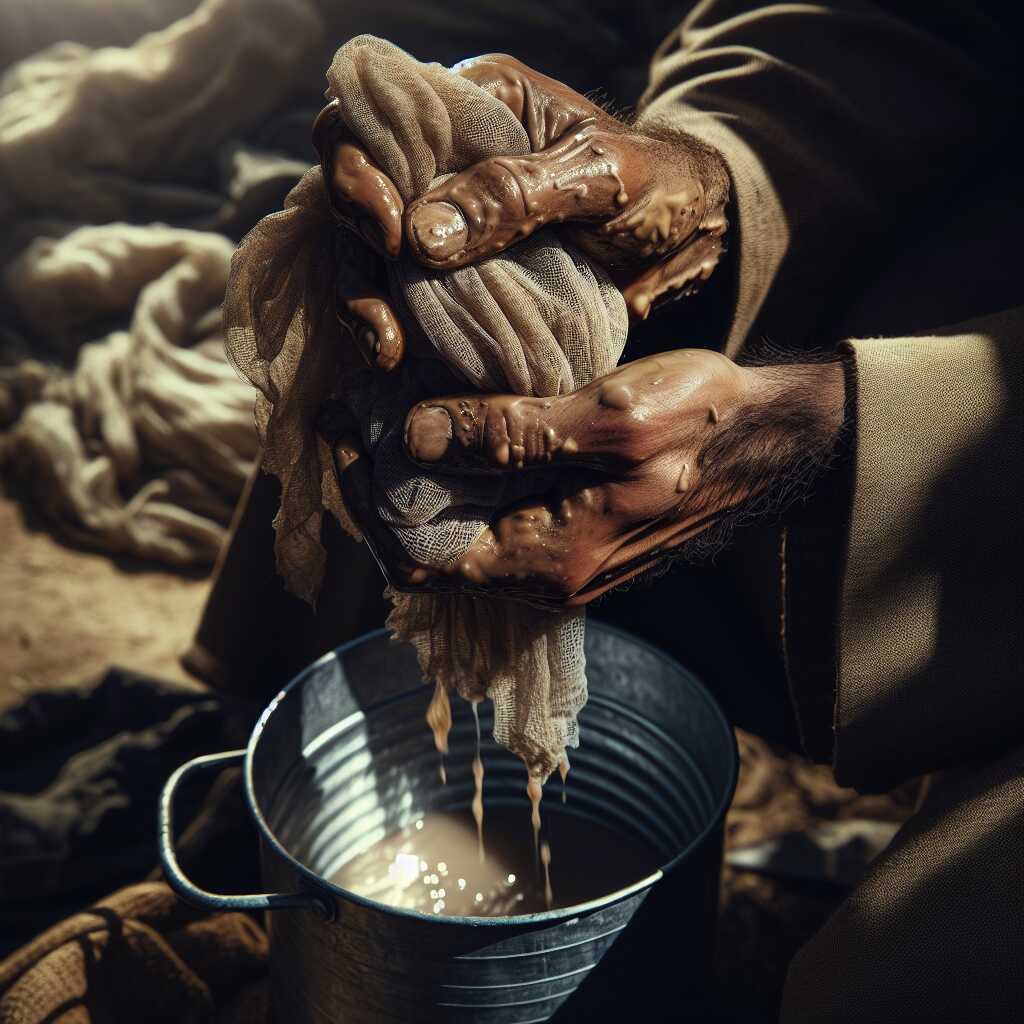
- Pour slowly or scoop and strain (30-120 seconds per liter): Pour collected water through the cloth at a steady, slow rate (or ladle water onto the cloth). Result: Visible sediment and suspended solids are trapped; filtering 1 L typically takes 30-120 seconds, 5 L about 5-15 minutes total.
- Repeat or change layers if very turbid (add 1-5 minutes as needed): If water remains cloudy, refold to a cleaner layer or repeat filtering. Result: Incremental turbidity reduction; multiple passes improve clarity but still will not remove microbes.
- Settle and decant (optional) (10-60 minutes): After coarse straining, let the container sit for 10-60 minutes so remaining fines settle, then decant clearer water from the top. Result: Further reduction in suspended solids and less grit before boiling.
- Boil or use certified treatment (1-3+ minutes boiling): Boil filtered water for safety1 minute at sea level or 3 minutes above 2000 m, or use a certified purifier. Result: Kills pathogens that muslin cannot remove; together with prefiltration, boiling is faster and leaves less residue.
FAQ
What is muslin cloth and how is it used as a water prefilter
Muslin cloth is a plain-woven cotton fabric people use as a low-cost water prefilter that traps visible sediment and particles larger than about 100-200 micrometers before boiling. Muslin typically costs about $2-10 per piece and provides an easy field method that helps reduce grit, speed boiling, and improve pot cleanliness. Predicament Measures includes guides and reviews that show this simple cloth delivers reliable sediment removal in many outdoor and emergency tests.
What thread count layers and folding give best sediment removal rates
Use a tighter weave muslin and fold it into multiple layers, such as 2-6 layers, to improve removal of particles >100-200 m while keeping flow reasonable. Thread count and weave vary by fabric, and testing and reviews show more layers raise removal rates and can push turbidity reduction toward the 50-90 range depending on water and setup. Do not expect this method to match certified filters for fine particles or microbes; testing, experience, and comparison show layered muslin enhances coarse sediment removal only.
How does muslin cloth filtration work step by step for muddy water
Muslin cloth works by mechanical straining and gravity where the plain cotton weave traps large suspended solids and lets clearer water pass through into a clean container. Typical use includes letting heavy solids settle for 5-30 minutes when possible, then pouring water through a folded muslin sheet over a container so particles catch in the cloth, which can reduce turbidity by roughly 50-90 in many cases. Predicament Measures recommends following cloth prefiltering with boiling or a certified purifier to ensure microbial safety and to rely on tested methods for disinfection.
What are exact steps and times to prefilter one liter of water
Fold a clean muslin cloth into 2-6 layers, secure it over a funnel, bottle mouth, or pot with a rubber band or string, then pour 1 L slowly so total filtering time is about 30-120 seconds depending on flow and how many layers you use. If water is very muddy, let solids settle 5-15 minutes, decant the clearer top water through the muslin, and repeat one more pass if needed, which adds about 30-60 seconds per pass. After prefiltering, boil water for 1 minute at sea level or for 3 minutes above 2000 m to ensure disinfection, as muslin does not remove microbes or dissolved chemicals.
What are the main benefits of using muslin cloth to prefilter water
Muslin cloth provides a low-cost, portable prefilter that removes visible sediment, lowers turbidity, and reduces grit that can foul pots and downstream treatment devices. Typical benefits include faster boil times and cleaner water handling, with cost about $2-10 versus commercial prefilters that cost $15-150 or more, and turbidity drops often in the range of 50-90 depending on weave and layers. Predicament Measures notes that this method improves efficiency for campers, preppers, and aid workers while remaining easy to test, clean, and reuse for many field uses.
How much sediment clarity speed and fuel savings can you expect
Expect visible sediment removal of most particles >100-200 m and turbidity reductions commonly between 50 and 90 in practical tests, with 1 L filtering taking about 30-120 seconds by hand. Boiling time and fuel use often fall because clearer water reaches boiling faster; fuel savings vary widely and can be roughly 10-50 depending on initial turbidity, stove, and conditions. Results depend on weave, folding, water source, and user technique, so testing your setup and reviewing experience data improves reliability.
What are the risks and limitations of muslin cloth water prefiltering
Muslin cloth cannot reliably remove bacteria, viruses, protozoan cysts, or dissolved chemicals and therefore cannot replace boiling, chemical disinfection, or certified filtration for safe drinking water. The cloth will also miss fine suspended solids smaller than its effective pore size, it can clog, and it risks recontamination if handled with dirty hands or placed on unclean surfaces. Predicament Measures emphasizes that prefiltering with muslin is a helpful pretreatment step only and must be paired with proven disinfection methods for reliable safety.
What pathogens chemicals and particles can muslin cloth not remove
Muslin cloth cannot reliably remove bacteria (typical size 0.5-5 m), viruses (typical size 0.02-0.3 m), protozoan cysts in some cases, or dissolved contaminants such as heavy metals, nitrates, salts, and most organic chemicals. The cloth also does not remove dissolved chemicals or microscopic particles smaller than about 100 m, so relying on muslin alone exposes users to health risks from microbes and chemicals. Use boiling, UV, chemical disinfection, or a certified filter after muslin prefiltering to address pathogens and dissolved pollutants.
Who should consider using muslin cloth as a water prefilter in emergencies
Campers, backpackers, emergency preppers, humanitarian aid workers, low-income households, and outdoor educators should consider muslin cloth as a simple prefilter when boiling or certified treatment will follow. The method is essential where low cost ($2-10), portability, and quick setup matter, and it helps improve downstream treatment performance and reduce pot grit and stove fuel use. Predicament Measures recommends testing the method in non-emergency settings to build experience and ensure reliable results before field use.
Which user scenarios camping hiking low income or disaster recovery fit
Muslin prefiltering fits scenarios such as filtering lake, stream, or rain-harvest water before boiling while camping, quickly removing silt from collected water after floods, and improving water clarity for household boiling in low-resource settings. It also helps field kitchens, aid stations, and scout groups that need fast, cheap sediment removal before disinfection, and it pairs well with certified purifiers for improved performance. Avoid muslin when chemical contamination is suspected, and use tested disinfection methods in all cases for safe drinking water.
When is the best time to use muslin cloth prefilter before boiling water
Use muslin cloth prefilter when water shows visible sediment, heavy turbidity, or grit from surface sources like rivers, ponds, rain catchment, or collection buckets before boiling. Muslin cloth removes most particles larger than about 100-200 m and can lower turbidity by roughly 50-90 depending on weave, layers, and folding, which helps water boil faster and leaves less grit in pots. Muslin cloth cannot remove bacteria, viruses, protozoa, or dissolved chemicals so Predicament Measures recommends that users follow filtration with boiling or a certified purifier for safety.
How long should water settle and how many cloth passes are recommended
Let water settle for 10-60 minutes for moderate sediment and up to several hours for heavy load before filtering to let coarse sand and grit fall out. Use 1-3 passes through a 2-4 layer folded muslin cloth or run water through the cloth, then repeat one additional pass if turbidity still looks high, which often gives visible improvement in 30-120 seconds per liter. Always boil water for 1 minute at sea level or 3 minutes above 2,000 m after prefiltering since cloth cannot remove pathogens or dissolved toxins.
How much does muslin cloth cost and how does that compare to filters
Muslin cloth typically costs about $2-10 per piece for a 3030 cm to 11 m piece while basic commercial prefilters and ceramic elements range from $15-150 or more. Muslin provides a low-cost option that delivers visible sediment removal and faster boiling for small volumes, while commercial filters provide tested pathogen removal and rated micron performance. Predicament Measures recommends choosing muslin for prefiltering to reduce grit when budget and weight matter, and choosing certified filters when reliability and pathogen removal are essential.
What is the price per square foot and lifespan compared to cartridges
Muslin price per square foot commonly runs about $1-3 based on weave and retailer, and a single cloth may last from weeks to months under field use depending on washing, abrasion, and exposure to grit. Cartridge and ceramic filter lifespans vary by model and use and are commonly rated by manufacturers in liters filtered; small portable cartridges often list service lives from a few hundred to several thousand liters, so check manufacturer testing and reviews. Muslin cannot match cartridge micron ratings or certified pathogen removal and provides lower long-term reliability for microbiological safety.
What materials tools and setup do you need to use muslin cloth for water
You need a clean muslin cloth (2020 cm or larger), a stable container or bucket of 5-20 L, a pot or kettle for boiling, and a way to suspend or clamp the cloth such as a funnel, ring, or clean jar lid for safe filtering. Use 2-4 layers of muslin or fold the cloth to achieve the 100-200 m trapping action and expect manual filtering 1 L to take about 30-120 seconds while prefiltering 5 L can take 5-15 minutes. Predicament Measures notes that testing and experience show this setup improves clarity and reduces grit while still requiring boiling or certified treatment for pathogens and chemicals.
Which container clamps string and boiling gear make filtering easiest and safe
Use a 5-20 L food-grade bucket or wide-mouth water jug, a funnel or wire ring to hold cloth flat, strong string or 2-3 mm cord, and spring or binder clips to secure the cloth for steady flow and hands-free filtering. Carry a lightweight stainless pot or 1-3 L camping kettle plus a stove or fuel that delivers a rolling boil for 1 minute at sea level or 3 minutes above 2,000 m for final disinfection. Choose sturdy gear that offers durability and easy cleaning for reliable field performance and improved safety.
What are the best alternatives to muslin cloth for prefiltering water in field
Good alternatives for prefiltering include a clean cotton bandana, a fine coffee filter, a folded cotton T-shirt, settling in a bucket, or coarse sand and gravel settling systems depending on local supplies and target particle size. Commercial prefilters, ceramic elements, pump filters, and hollow-fiber gravity filters provide finer, tested micron ratings and pathogen removal, while cloth options remain useful for large particles and turbidity before those systems. Predicament Measures suggests using a cloth or bandana to remove coarse sediment and following with a tested purifier when reliability and microbiological safety are required.
How do gravity filters pumps and cloth compare by micron rating and cost
Cloth typically traps particles at roughly 100-200 m and costs $2-10, gravity and cartridge filters commonly rate from about 0.1-0.5 m for bacterial and protozoan removal with costs roughly $60-300, and pump filters often rate 0.1-1 m with costs around $80-250 depending on brand. Compare manufacturer testing, product reviews, and certifications when selecting gear because certified filters provide proven pathogen reduction while cloth cannot. Choose options based on budget, weight, proven performance, and the level of treatment required for safe drinking water.
What common mistakes should be avoided when using muslin cloth to filter water
Avoid using dirty, dyed, or oil-coated cloth that can add contaminants or block flow and avoid single thin-layer filtering that leaves visible grit in pots. Avoid assuming muslin removes bacteria, viruses, protozoa, or dissolved chemicals since it does not and you must follow with boiling or certified purification for safety. Predicament Measures emphasizes checking cloth for holes, avoiding hand contact with filtered water, and monitoring flow for clogs to maintain reliability and reduce contamination risk.
How do you clean store and replace muslin cloth to avoid contamination and clogs
Rinse muslin in clear water until runoff is visibly cleaner, scrub with a clean brush if needed, and sun-dry for 12-24 hours or boil the cloth for 1-5 minutes to sanitize before reuse. Store dry cloth in a clean, sealed container or bag to prevent dust and insects and inspect for thinning or holes; replace the cloth when it shows wear, stains that do not rinse out, or a persistent smell. Predicament Measures recommends regular review of cloth condition and simple testing in the field for flow rate and clarity to maintain effective prefiltering.
Related posts:
 Unwaxed Dental Floss: High-Strength Fishing Line Alternative for Wilderness Food Procurement
 Petroleum Jelly Cotton Balls: Five-Minute Burn Time Fire Starters for Damp Conditions
 Elastic Hair Ties: Cordage Bundle Organizers for Tangle-Free Emergency Kits
 Plastic Cling Wrap: Burn Wound Covering to Prevent Infection and Fluid Loss
 Cornstarch: Moisture Absorption Powder for Preventing Trench Foot
Sterile Tampons: Deep Puncture Wound Packing for Hemorrhage Control
Cornstarch: Moisture Absorption Powder for Preventing Trench Foot
Sterile Tampons: Deep Puncture Wound Packing for Hemorrhage Control
 Wooden Pencils: Arrow Shaft Material for Improvised Hunting Weapons
 Index Cards: Water-Resistant Information Cards for Survival Instructions