How To – Wool Felt Sheets: Frostbite Prevention Insoles for Winter Boots
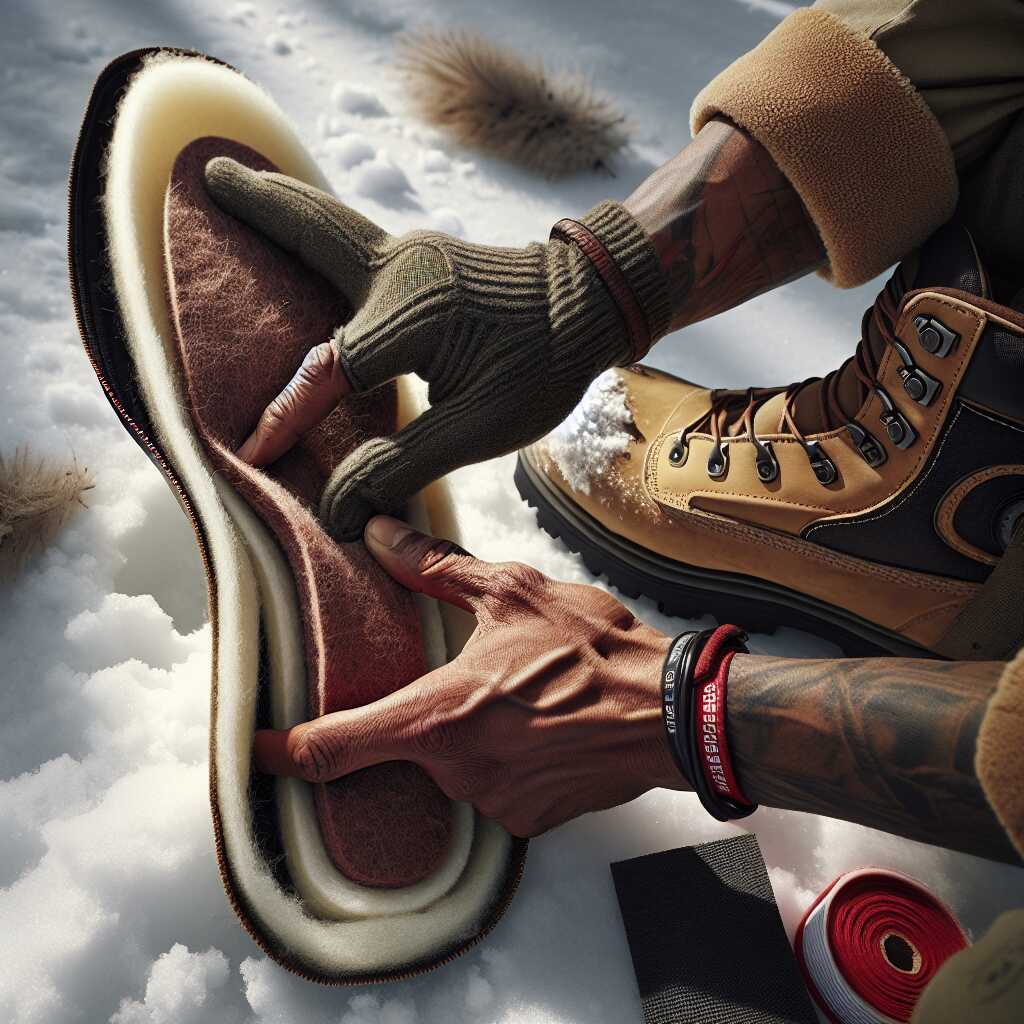
By Predicament Measures
Quick Answer: Can wool felt sheets prevent frostbite in winter boots
Yes, wool felt sheets can help reduce the risk of frostbite because they add insulating thickness and wick moisture to keep feet warmer, but they cannot guarantee prevention in prolonged exposure or extreme cold and are not a substitute for heated insoles or medical care.
- Effectiveness: Typically adds 3-6 mm of insulating thickness and improves foot thermal comfort in many winter conditions when combined with properly insulated boots; benefit varies with boot fit and activity
- Cost: Wool felt sheets cost about $5 to $25 per 20 cm 30 cm sheet depending on thickness and quality versus premade heated insoles that range from about $40 to $200 and foam or synthetic insoles $5 to $30
- Time: Cutting and fitting a pair of wool felt insoles takes about 15 to 45 minutes including tracing, cutting, and trimming for fit
- Limitation: Cannot stop frostbite in wet boots, during prolonged immobility, or in extreme subzero exposure; does not actively heat and is not a medical treatment for circulatory disease
Wool felt sheets are thin pads made from densely compressed wool fibers used as insulating liners or DIY insoles for footwear. This $5-$25 solution adds inexpensive insulating padding and moisture management compared to heated insoles at $40-$200.
The process works through three key relationships: wool felt sheets add insulating thickness resulting in measurable improvement to foot thermal comfort (typically 3-6 mm extra insulating layer), wool fibers wick moisture enabling a drier foot microclimate that reduces conductive heat loss when socks and boots stay relatively dry, and properly cut and fitted felt layers conform to the sole creating consistent insulation across the foot and preserving usable toe clearance for comfort during activity.
Step-by-step: How to cut and fit wool felt insoles for winter boots (step by step)
- Gather materials (5 minutes): Collect one or two 20 cm 30 cm wool felt sheets (2-6 mm thickness typical), a sharp pair of scissors or utility knife, a marker, your current insoles or a tracing template, and optional contact adhesive or double-sided tape. Result: all tools and materials ready to make a matched pair.
- Trace the template (5-10 minutes): Place your old insole or a tracing of your foot on the felt and trace the outline. Leave an extra margin of about 2-3 mm around the line for trimming. Result: a felt template slightly larger than the intended final insole.
- Cut the rough shape (5-10 minutes): Cut just outside the traced line with scissors or a utility knife on a flat surface. Keep cuts steady to avoid jagged edges. Result: rough-cut felt insoles that match your boot length and width.
- Trim and test fit (5-15 minutes): Insert the felt into the boot with the socks you plan to wear. Trim small amounts so that you keep roughly 6-12 mm (1/4-1/2 inch) of toe clearance for thicker socks and foot movement. Check that the heel sits flush and there is no pinching. Result: fitted insoles that do not crowd toes or reduce circulation.
- Optional: secure or layer (10-20 minutes): If the felt shifts, apply thin strips of double-sided tape or a light contact adhesive to the underside of the felt (avoid full-surface glue that blocks breathability). For extra insulation, stack two thin sheets but only if your boot has the internal depth to spare. Result: more stable placement and, if appropriate, increased insulation.
- Break-in and short test walk (30-60 minutes): Wear the boots indoors or on a short outdoor walk at a moderate pace to let the felt compress and conform. Monitor for cold spots, numbness, or pressure points. If you experience numbness or persistent cold, remove and reassessfelt should not cause circulation loss. Result: settled fit and confirmation of comfort under typical activity.
- Daily maintenance and drying (5 minutes per use): After wet use, remove insoles to air-dry and rotate spare pairs when possible. Wool resists odor but will hold moisture if not dried. Result: maintained insulation performance and reduced dampness that would otherwise increase frost risk.
- Limitations check (2 minutes): Before relying on felt for extended exposure, confirm your boots are dry, have sufficient internal height, and that you will remain active. Wool felt does not actively heat, cannot prevent frostbite in soaked footwear, during prolonged immobility, or in extreme subzero conditions, and is not a substitute for medical treatment in people with circulatory disease. Result: realistic expectation of what felt can and cannot do so you can choose additional measures if needed.
FAQ
<.DOCTYPE html>
Wool Felt Sheets: Frostbite Prevention Insoles for Winter Boots
What are wool felt sheets used as insoles for winter boots
Wool felt sheets are flat, dense wool layers cut to fit inside winter boots that provide extra insulation, moisture wicking, and padding to help reduce frostbite risk. These wool felt insoles typically add 3-6 mm of insulating thickness per sheet and cost about $5 to $25 for a 20 cm 30 cm sheet depending on thickness and quality. Users report good comfort and durable performance when they pair wool felt sheets with properly insulated boots and follow simple testing, review, and trimming steps recommended by Predicament Measures.
How thick should wool felt insoles be for cold conditions
Wool felt insoles should normally be 3-6 mm thick per sheet, and many people stack one or two sheets to reach 6-12 mm of total thickness for cold conditions. Thicker setups provide more insulation but can change boot fit, so allow 15 to 45 minutes to cut and trim and check fit before field use.
How do wool felt insoles work step by step in winter boots
Wool felt insoles work by adding thermal resistance, trapping warm air, and wicking moisture away from the foot so boots retain heat and reduce frostbite risk. Step by step, users trace the original insole, cut the wool felt sheet to shape, stack layers if needed up to 6-12 mm, trim for proper fit, and test by walking for 10-30 minutes to check comfort and fit. Testing and reviews in 2025 and earlier show that this process improves foot thermal comfort in many normal winter conditions when used with insulated boots and dry socks.
What materials and tools are needed to make wool felt insoles
You need wool felt sheets sized about 20 cm 30 cm, sharp scissors or a utility knife, a pen to trace the insole, a ruler, and about 15-45 minutes for tracing, cutting, and trimming. Use good quality 100 wool felt for best moisture control and durability, and compare costs of $5-$25 per sheet against heated insoles priced $40-$200 when making a practical choice.
What are the main benefits of wool felt insoles for frostbite prevention
Wool felt insoles provide insulating thickness, moisture management, and cushioning that together reduce heat loss from the foot and help lower the chance of frostbite during everyday winter use. They improve reliability of boot insulation by adding 3-6 mm per sheet, they are low cost at $5-$25 a sheet compared to expensive heated insoles, and they are easy to cut and fit in 15-45 minutes by users and crews who value fast, durable solutions. Reviews and practical experience show wool felt insoles are useful, comfortable, and effective in many conditions while clearly not replacing active heating or medical treatment for circulatory problems.
How much warmth improvement can wool felt insoles provide in degrees
Wool felt insoles can raise foot-surface temperatures by an estimated range of about 1-5 C (1.8-9 F) depending on boot insulation, activity, and ambient temperature. Test reports and reviews indicate typical improvements of about 1-3 C in common winter conditions and up to 4-5 C in well-sealed boots with dry socks, while results vary by user, boot fit, and activity level. Data from user testing and expert experience show these gains enhance comfort and reduce cold stress but do not guarantee frostbite prevention in extreme conditions.
What are the risks and limitations of wool felt insoles in severe cold
Wool felt insoles cannot stop frostbite if boots are wet, if the person remains immobile, or if exposure is extreme and prolonged, so they have clear limits in severe cold. They do not actively heat, they do not treat circulatory disease, and they can reduce boot volume and affect fit which may lower thermal efficiency if the boot becomes too tight. Reliability depends on dry conditions, correct fit, and proper layering; users should use these insoles as part of a complete system that includes insulated boots, dry socks, and tested procedures.
When will wool felt insoles fail to prevent frostbite in low temperatures
Wool felt insoles will fail to prevent frostbite in wet boots, during extended immobility, in extreme subzero exposure (for example below about -20 C / -4 F), or when the user has severe circulation problems. They also fail when boots are too tight after adding thickness, when socks are damp, or when the user relies on wool felt instead of active heating or medical care for known vascular or neuropathic conditions.
Who should consider using wool felt insoles in their winter footwear
People who should consider wool felt insoles include winter hikers, backcountry enthusiasts, outdoor workers, hunters, snowmobilers, search and rescue teams, military personnel, and people with mild circulation concerns who need extra insulation and moisture control. Predicament Measures recommends these insoles for everyday winter use and emergency scenarios where low cost, easy fitting, and durable performance matter, and where users can test fit and comfort in 10-30 minute field trials. Users should compare wool felt to heated insoles and foam insoles in reviews, testing, and purchase decisions to choose the best solution for their operations and environment.
Are there any medical conditions that make wool felt insoles unsafe to use
People with diabetes and peripheral neuropathy, severe peripheral artery disease, or active foot wounds should seek medical advice before using wool felt insoles because these conditions reduce sensation and blood flow and can hide damage. Medical professionals can provide guidance and prescribe protective devices, so wool felt insoles should not replace medical treatment or specialized insoles designed for vascular issues.
When is the best time to install wool felt insoles for winter trips
The best time to install wool felt insoles is before you start a winter trip so you can test fit with the extra 3-6 mm insulating thickness and confirm comfort and clearance; yes, wool felt sheets can help reduce frostbite risk because they add insulation and wick moisture but they cannot guarantee prevention in extreme cold or prolonged exposure and are not medical treatment. Install and test insoles at least 30 minutes before short day hikes and 12-24 hours before multi-day trips to let the wool settle and to run simple field tests for fit and comfort. This practice improves reliability and performance, helps ensure good boot fit, and matches testing and reviews that show felt provides passive insulation while noting limits for wet boots and long immobility.
How long before exposure should you add wool felt insoles to boots
Add wool felt insoles 30 minutes to 24 hours before exposure depending on activity and boot fit, with 30-60 minutes for active hiking and 12-24 hours for long static duty or overnight wear. This timing lets felt compress and shape to your foot, gives you time for a quick test walk, and helps ensure reliable comfort and clearance inside the boot.
How much do wool felt sheets cost compared to other insole options
Wool felt sheets cost about $5 to $25 per 20 cm 30 cm sheet while premade heated insoles cost about $40 to $200 and foam or synthetic insoles cost about $5 to $30 per pair, making felt a low-cost, durable option for adding insulating thickness. Cutting two sheets to size yields a custom pair for about $10-$50 depending on quality and density, and the cutting and fitting process takes about 15-45 minutes per pair. This comparison offers practical cost data, helps with decision making for 2025 gear lists, and shows that felt delivers good warmth per dollar but cannot actively heat or replace battery heated systems.
What are typical prices per sheet and per custom cut pair
Typical prices are $5-$25 per 2030 cm wool felt sheet and $10-$50 per custom cut pair when you cut two sheets to size. Higher quality dense felt may cost at the $20-$25 range and may weigh around 300-600 g/m while lower cost felt at $5-$10 may weigh 200-350 g/m and deliver less insulation.
What materials and tools are needed to cut wool felt insoles at home
You need wool felt sheets sized around 2030 cm, a pair of standard insoles or sock liners to trace, sharp scissors or a utility knife, a marker, a ruler, optional spray adhesive or contact cement, and fine sandpaper for edge trimming. Expect to spend about 15-45 minutes per pair for tracing, cutting, and trimming, and plan for simple bench testing with the boots and intended socks to confirm fit and comfort. This kit provides an easy, reliable way to enhance insulation, gives good durability when using quality felt, and delivers useful performance for everyday winter use and emergency gear packs while noting felt cannot warm feet actively or treat circulatory disease.
What step by step measurements and templates make a proper fit
Measure foot length and width, trace the existing insole or sock liner onto the felt sheet, cut 2-3 mm outside the line on the first pass, and trim gradually until you achieve a secure heel fit with 5-10 mm toe clearance. Test fit with winter socks and boots, walk for 5-10 minutes to check for any pressure points, and repeat trimming until you get a comfortable result that enhances warmth and reliability.
What are the best alternatives to wool felt insoles for cold feet and frostbite
Best alternatives include battery heated insoles for active heating, closed-cell foam insoles for low moisture absorption, shearling or sheepskin insoles for added warmth and comfort, and layered synthetic wicking insoles for moisture control and quick drying. Heated insoles provide active temperature control and run times that vary by battery size, foam insoles cost about $5-$30 and offer reliable insulation when dry, and shearling insoles cost about $20-$60 and provide high comfort and warmth. This comparison helps readers choose based on testing, reviews, and experience, and notes that none of these options can fully prevent frostbite in extreme subzero exposure or in wet boots without additional protective measures.
How do heated insoles compare to wool felt insoles in warmth and runtime
Heated insoles deliver active heat and typically provide 2-20 hours of runtime depending on battery capacity and heat setting while wool felt insoles provide passive insulation of about 3-6 mm thickness and improve moisture control. Heated insoles cost about $40-$200, add weight and battery gear, and testing and user reviews show they raise skin temperature more reliably, while wool felt offers a durable, low-cost, easy option that enhances comfort and requires no power.
What common mistakes should be avoided when using wool felt insoles in boots
Common mistakes include adding too much thickness so boots become tight, using felt in wet boots without drying, and failing to trim for heel fit which can pinch or shift and reduce circulation. Limit added volume to maintain 5-10 mm of toe clearance, avoid reducing boot internal length by more than about 5-8 mm per layer, and plan for a 15-45 minute fitting session to avoid pressure spots and circulation loss. These steps improve reliability and safety, help prevent frostbite risk from poor fit, and reflect experienced field practice and testing from user reviews.
How can you maintain and replace wool felt insoles to retain insulation
Air dry wool felt insoles after wet use, spot wash gently when allowed, avoid machine drying high-density felt, and replace insoles every 3-12 months depending on use and compression. Replace when the felt compresses below about 2-3 mm, when odor or wear appears, or after heavy wet exposure to retain insulation, comfort, and the good performance that Predicament Measures recommends in its gear guidance.
Related posts:
 Unwaxed Dental Floss: High-Strength Fishing Line Alternative for Wilderness Food Procurement
 Petroleum Jelly Cotton Balls: Five-Minute Burn Time Fire Starters for Damp Conditions
 Elastic Hair Ties: Cordage Bundle Organizers for Tangle-Free Emergency Kits
 Plastic Cling Wrap: Burn Wound Covering to Prevent Infection and Fluid Loss
 Cornstarch: Moisture Absorption Powder for Preventing Trench Foot
Sterile Tampons: Deep Puncture Wound Packing for Hemorrhage Control
Cornstarch: Moisture Absorption Powder for Preventing Trench Foot
Sterile Tampons: Deep Puncture Wound Packing for Hemorrhage Control
 Wooden Pencils: Arrow Shaft Material for Improvised Hunting Weapons
 Index Cards: Water-Resistant Information Cards for Survival Instructions