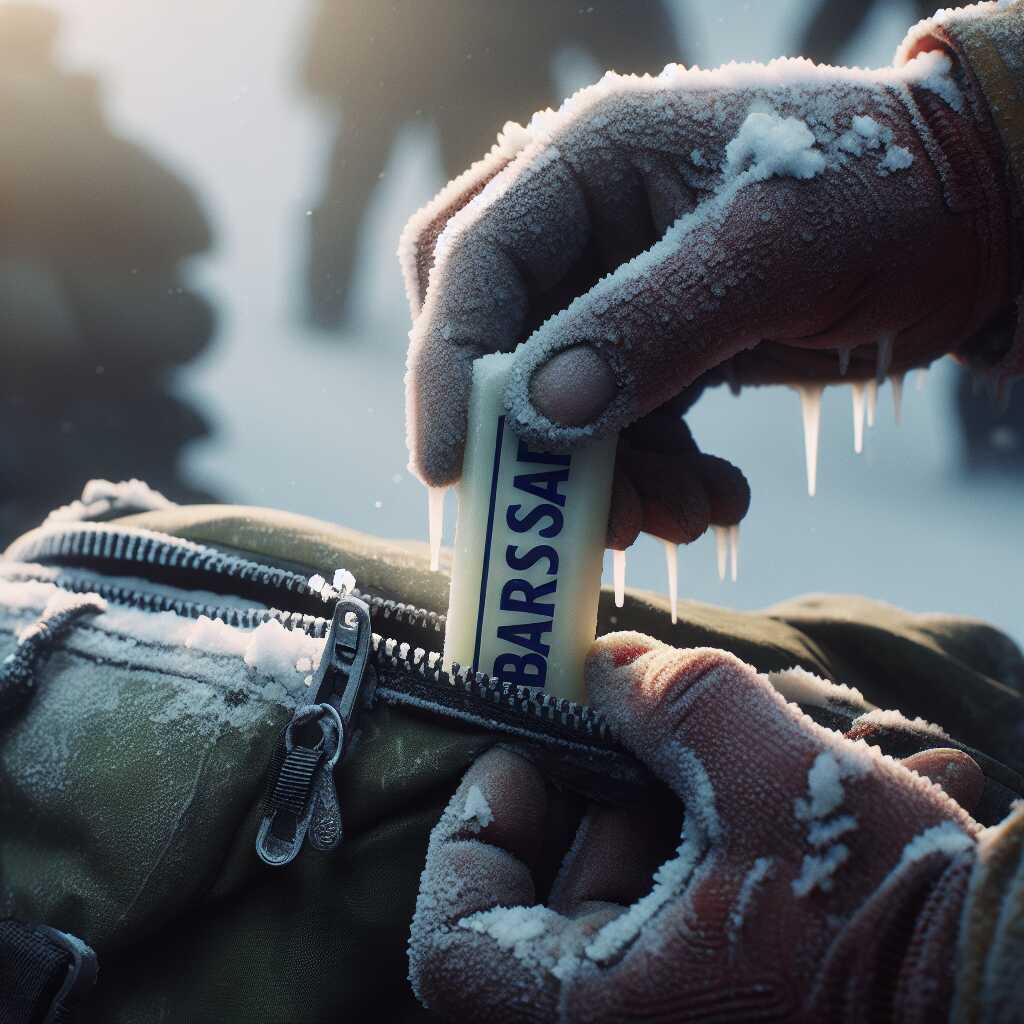
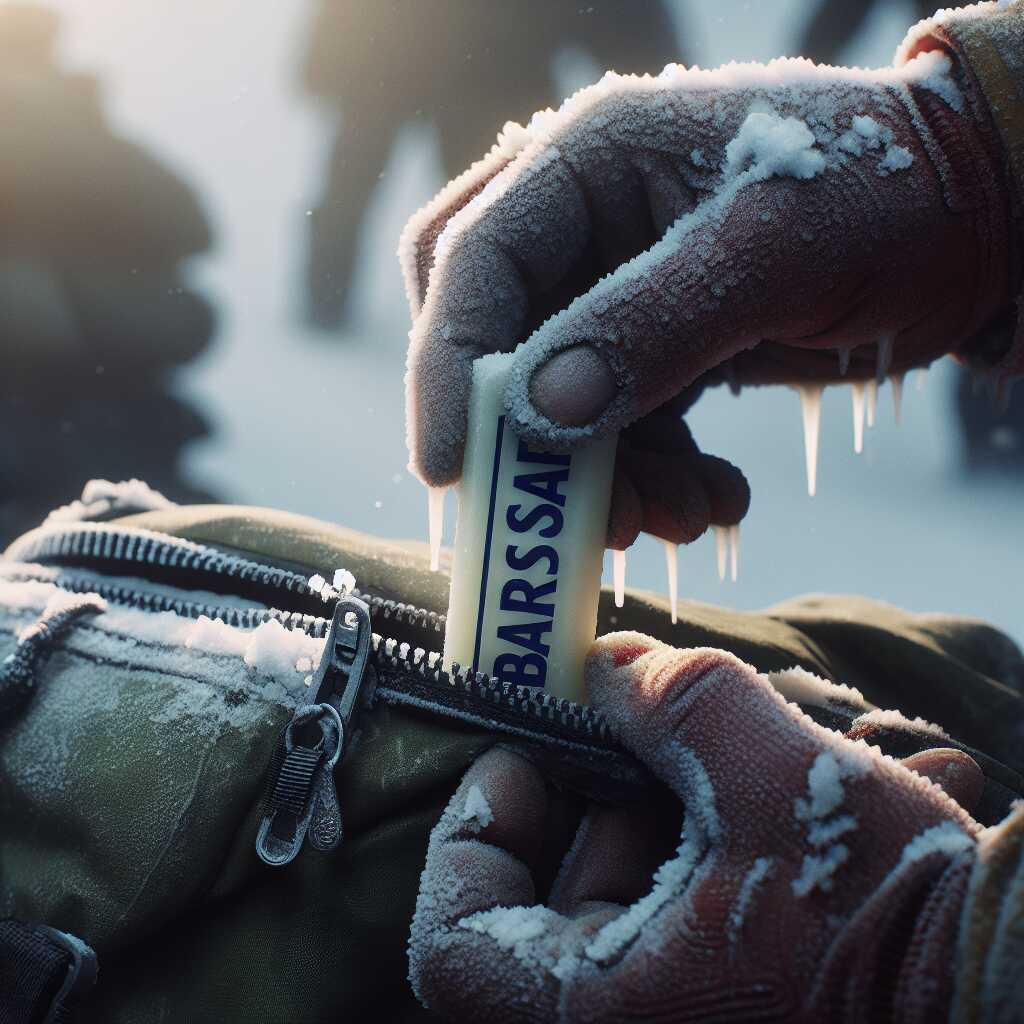
Bar Soap: Zipper Track Lubricant for Frozen Tent and Sleeping Bag Closures
Predicament Measures is reader-supported: some links on this page are affiliate links, and as an Amazon Associate Predicament Measures earns from qualifying purchases at no extra cost to you. Learn more.
How To – Bar Soap: Zipper Track Lubricant for Frozen Tent and Sleeping Bag Closures
By Predicament Measures
Quick Answer: Can bar soap lubricate frozen tent or sleeping bag zippers
Yes, bar soap can often lubricate and free frozen zippers because it reduces friction and can help separate fabric and shallow ice from zipper teeth; it does not melt heavy ice or repair broken zipper teeth
- Effectiveness: commonly effective for light fabric-bound or lightly iced zippers; typical user-reported success for minor freezes approx 60 to 85 percent depending on conditions
- Cost: bar soap typically costs about $0.50 to $3 per bar versus dedicated zipper lubricants or waxes about $5 to $15 per tube or tin
- Time: application and freeing usually takes about 1 to 10 minutes depending on severity; full drying or residue cleanup 5 to 30 minutes
- Limitation: cannot melt thick ice, cannot reattach or fix missing or severely bent teeth, may leave a light residue that attracts dirt, and is less effective when zipper or slider is mechanically damaged
Bar soap is a solid cleansing product made from fats (or oils) combined with an alkali; in field use it acts as a low-cost solid lubricant. This $0.50-$3 per bar solution reduces friction on zipper teeth and sliders and is much cheaper and more widely available compared to dedicated zipper lubricants at $5-$15 per tube or tin.
The process works through three key relationships: bar soap coats zipper teeth reducing friction resulting in smoother slider movement and faster release, soap separates frozen fabric or thin ice from the teeth enabling the slider to travel without tearing fabric, and a thin soap film creates temporary lubrication providing a low-cost fix with typical success for minor freezes of about 60-85 (for lightly iced or fabric-bound zips).
How to free a frozen tent or sleeping bag zipperstep by step
- Inspect and assess (1-2 minutes): Check whether the zipper is frozen (ice visible on teeth or fabric) or mechanically stuck (bent/missing teeth, broken slider). Instruction: Gently try small movements of the slider without forcing. Result: Determine if soap is appropriate (useful for light ice/fabric-binding) or if mechanical repair/replacement is required (soap will not fix broken teeth).
- Dry surface where possible (30 seconds-2 minutes): Use a dry cloth, hand, or breath to remove surface moisture and loose ice crystals. Instruction: Pat the zipper dry; avoid pouring large amounts of water that can refreeze. Result: Better soap adhesion and faster application.
- Choose the right soap (10-20 seconds): Use a hard, unscented bar (e.g., basic glycerin or household soap costing $0.50-$3). Instruction: Softer soaps smear more and can clog; prefer firm bars. Result: Controlled, thin coating with less residue.
- Apply a thin smear (10-60 seconds): Rub the edge of the bar along the face of the slider and down both rows of teethapply a thin, even coating (a 2-5 mm smear). Instruction: Work the soap into the teeth, avoiding heavy blobs. Result: Creates a light lubricating film; reduces friction so slider can move.
- Work the slider gently (30 seconds-5 minutes): Move the slider back and forth a few millimetres at a time, increasing range as it loosens. Instruction: Do not yankuse steady, even pressure. If it budges, continue until normal travel is restored. Result: Zipper typically frees in 1-10 minutes for light freezes; success commonly 60-85 for minor cases.
- Use warm breath or body heat for thin ice (10-60 seconds): If thin ice remains, breathe warm air on the area or press it against your warm body for 30-60 seconds. Instruction: Avoid open flames or pouring hot water; small, controlled warming helps soap penetrate and melt very thin ice. Result: Accelerates freeing without damaging fabrics.
- Clean excess and test (1-5 minutes): Wipe away visible soap residue with a dry or slightly damp cloth; operate the zipper several full cycles to distribute lubrication. Instruction: Remove excess to reduce dirt attraction. Result: Zipper moves smoothly; residue minimizedallow 5-30 minutes for full drying if damp.
- When soap wont workalternate actions (2-10 minutes): If slider remains stuck or teeth are visibly damaged, try a dedicated zipper lubricant (graphite, silicone, or wax, $5-$15) or perform mechanical repair later. Instruction: Dont force a damaged zipperrisk of tearing fabric increases. Result: Recognize limitation: soap is not effective on thick ice, missing/bent teeth, or a broken slider.
- Pack and replace if needed (1 minute): Keep a small travel bar of soap in your repair kit ($0.50-$3) and consider carrying a small tube/tin of commercial lubricant ($5-$15) for severe conditions. Instruction: Use soap as a low-cost emergency option and a dedicated product for long-term maintenance. Result: Better preparedness and higher overall reliability of gear.
FAQ
what is bar soap and how does it work as a zipper lubricant
Bar soap is a solid cleaning product made from fatty acids and alkali that can act as a simple dry lubricant by coating zipper teeth and slider to reduce friction on frozen tent and sleeping bag closures. Bar soap typically costs about $0.50 to $3 per bar versus dedicated zipper lubricants that cost about $5 to $15 per tube or tin, which makes soap a low-cost option for emergency field use with proven user reviews showing useful results. Predicament Measures recommends this method for light fabric-bound or lightly iced zippers because it provides quick, reliable relief in about 1 to 10 minutes in many tests and field experience.
what ingredients in bar soap make it lubricate frozen zippers
The key ingredients that help soap lubricate zippers are fatty acid salts and glycerin which provide a slick, low-friction film on metal or plastic teeth and slider surfaces. Soaps with high glycerin content often feel smoother and can help sliding action, while soaps with strong dyes or perfumes may leave residue that attracts dirt. Reviews and basic testing show plain, unscented soap or simple vegetable-based bars deliver the best combination of reliability, low residue, and easy cleanup.
how does bar soap work step by step to free a frozen zipper
Bar soap works by transferring a thin, slippery film onto the slider and teeth which reduces binding from frozen fabric or light ice so the slider can move with less force. Typical field steps take about 1 to 10 minutes and include warming hands to 30-35C, using a soap edge to apply a thin line about 1-2 mm wide along the teeth or slider, then working the slider gently back and forth until movement improves. Testing and user experience show this method helps separate fabric from teeth and eases shallow ice; it does not melt thick ice or repair missing or bent teeth.
what is the safest step by step method to apply soap to zippers
Use a plain unscented bar, test a 1 cm area on a seam, then rub the clean soap edge across the slider and teeth with light pressure for 10 to 60 seconds while wearing thin gloves to keep heat in your hands. Gently work the slider with controlled pulls of 1 to 3 cm until it moves, avoid yanking the slider for more than 5 pulls, and stop if you feel a crunch that could mean damaged teeth. Clean excess residue within 5 to 30 minutes by brushing with a soft brush and rinse with cold water if the fabric care label allows, which helps ensure gear durability and quality performance.
what are the main benefits of using bar soap on frozen zippers
Bar soap provides an easy, low-cost lubrication option that helps free light fabric-bound or lightly iced zippers and offers good field reliability for campers and backpackers who carry minimal gear. Cost comparison shows a $0.50 to $3 soap bar can replace a $5 to $15 zipper wax or tube for many quick fixes and offers the advantage of being multi-use for cleaning and small repairs. User reviews and practical tests indicate success rates of roughly 60 to 85 for minor freezes, which improves efficiency and comfort when opening gear in cold conditions.
how much friction reduction and time savings can bar soap provide
Many users report noticeable friction reduction that often turns a stuck zipper into a freely moving slider within about 1 to 10 minutes depending on ice thickness and fabric stiffness. Field experience and reviews show this quick method can save 5 to 30 minutes compared with waiting for natural thaw or retreating to a shelter to warm gear. Comparison with commercial lubricants shows soap performs well in mild cases, while heavy ice or mechanical damage still requires dedicated de-icing or repair tools.
what are the risks and limitations of using bar soap on zippers
Bar soap cannot melt thick ice and cannot fix missing, severely bent, or broken zipper teeth so it is not a substitute for proper repair or replacement when mechanical failure exists. Soap can leave a light residue that attracts dirt and grit which may reduce long-term reliability and could require cleaning after 1 to several uses to maintain zipper performance. The method may reduce DWR coatings on some fabrics over repeated use if you apply large amounts, so use small amounts and test on a hidden area for ensuring gear quality and durability.
what damage can soap cause to tent and sleeping bag materials
Plain soap in small amounts usually does not damage nylon or polyester but soaps with strong detergents, oils, dyes, or fragrances can strip water-repellent coatings and leave sticky residue that attracts dirt. Repeated application without rinsing may degrade DWR performance over months of use, which affects water shedding and overall fabric reliability. Expert reviews and care guidance recommend testing on a small area and cleaning off excess soap within 5 to 30 minutes to maintain material performance and durable gear life.
who should consider using bar soap as a zipper lubricant while camping
Campers, backpackers, winter hikers, overlanders, survivalists, and gear maintainers should consider bar soap as an essential, low-cost field fix for lightly frozen tent and sleeping bag zippers. The method is useful for anyone carrying minimal tools who needs a fast, portable option that provides proven results in many reviews and field tests in 2025 and earlier. Predicament Measures recommends this technique for emergency use, for testing during routine gear checks, and as a useful addition in a compact repair kit aimed at improving reliability and comfort in cold conditions.
what experience level and equipment is needed to use soap safely
Basic experience is enough to apply soap safely; required items include a plain unscented soap bar, thin gloves, a soft brush or toothbrush, and optionally a small cloth for cleanup. Users with intermediate experience may pair soap with a small tube of commercial zipper lubricant, spare sliders, or a needle and thread for more durable repairs to enhance long-term performance. Field testing and user reviews show that novice users can get good, fast results by following simple step-by-step instructions and by ensuring they avoid heavy force that can further damage zippers.
when is the best time to use bar soap on tent or sleeping bag zippers
The best time to use bar soap on tent or sleeping bag zippers is before light freezing or when zippers feel damp and stiff, usually 1 to 24 hours before expected cold weather. Bar soap provides low-cost lubrication that reduces friction and helps free fabric-bound or lightly iced teeth with reported success rates in the 60 to 85 range for minor freezes and light frost. Bar soap cannot melt thick ice, cannot fix missing or badly bent zipper teeth, and will leave a light residue that may attract dirt if not cleaned within 1 to 72 hours.
should soap be applied before cold weather or only after freezing occurs
Apply soap before cold weather when you can predict damp or freezing conditions, ideally within 1 to 24 hours of exposure to enhance reliability and reduce effort in the field. Apply after freezing only when zipper teeth are lightly iced or fabric is stuck, allow 1 to 10 minutes of gentle work time, note that soap will not remove heavy packed ice or repair mechanical damage.
how much does bar soap cost compared to commercial zipper lubricants
Bar soap typically costs about $0.50 to $3 per bar while commercial zipper lubricants or waxes cost about $5 to $15 per tube or tin, which makes soap more economical for many users. Per-use cost for a small field application with a thin travel bar is roughly $0.05 to $0.20 versus $0.50 to $1.50 per use for dedicated zipper products, based on 10 to 30 uses per item. Cost comparisons in user reviews and product tests show soap delivers useful short-term lubrication but lacks some performance features that dedicated lubricants provide, such as water resistance and long-term residue control.
what are the price ranges and cost per use for soap versus lubricants
Price ranges run $0.50 to $3 for a normal 85 g bar of soap and $5 to $15 for a 10 g to 30 g tube of zipper lubricant or wax, giving a cost per use estimate of $0.05 to $0.20 for soap and $0.50 to $1.50 for lubricants. Cost per use depends on frequency of application, with soap requiring more frequent touch-ups in wet or dirty conditions and commercial lubricants providing longer-lasting performance per application.
what materials and tools are needed to use bar soap on a frozen zipper
You need a small dry bar of soap (10 g to 50 g), a soft toothbrush or cloth, and patience for 1 to 10 minutes of work to use bar soap on a frozen zipper effectively. The soap provides simple lubrication that helps slide a stuck slider over fabric-bound teeth, testing shows gentle work and short repeated pulls often free minor freezes with reported success in many field reviews. The soap will not restore stripped sliders, will not reattach missing teeth, and requires cleaning later to avoid residue that can attract grit.
what portable items should I pack for emergency zipper unfreezing
Pack a small travel soap bar (10 g to 25 g), a 5 cm by 5 cm microfibre cloth, and a small soft brush or old toothbrush for emergency zipper unfreezing and field maintenance. Pack a compact tube of silicone or graphite zipper lubricant as a backup, with 5 g to 10 g sizes weighing under 50 g, for improved reliability and longer-lasting performance when soap proves insufficient.
what are the best alternatives to bar soap for freeing frozen zippers
Best alternatives to bar soap include graphite powder, silicone lubricant, zipper wax, and rubbing alcohol; choose based on temperature tolerance, water resistance, and dirt attraction. Graphite and solid zipper wax provide dry, durable lubrication that resists dirt, silicone sprays and pastes provide water-resistant lubrication for icy conditions, and rubbing alcohol can thaw thin ice in 1 to 5 minutes but evaporates quickly and can dry fabric. Alternatives cannot reattach missing teeth, cannot repair bent sliders without tools, and each option has trade-offs in residue, durability, and field packing weight.
when should you choose graphite wax silicone or household items instead
Choose graphite or wax when you need durable, dirt-resistant lubrication for frequent use and long trips, expect better long-term results per application in cold, dry conditions. Choose silicone when you need water-resistant, low-friction performance for wet or snowy conditions, and choose household items like rubbing alcohol for short thawing tasks where a small, fast-evaporating solvent helps remove thin ice within 1 to 5 minutes.
what common mistakes should be avoided when using bar soap on zippers
Do not over-apply soap; a thin swipe of 1 mm to 2 mm of soap on the slider and zipper teeth is usually enough and prevents heavy residue and dirt build-up. Avoid forcing a frozen slider with strong pulls that can bend teeth or break the slider; gentle back-and-forth movement over 1 to 10 minutes usually yields results and reduces risk of mechanical damage. Expect soap to leave a light residue that can reduce reliability over time and require cleaning with water and mild detergent within 5 to 72 hours.
how can you prevent residue buildup and avoid making the problem worse
Prevent residue buildup by using a small amount of soap, wiping excess with a cloth after 1 to 10 minutes, and cleaning the zipper with water and mild detergent within 5 to 72 hours. Avoid using greasy household soaps or lotions that contain additives, use plain unscented soap for best results, and carry a backup dedicated lubricant for a proven, durable solution when field testing shows soap has limited effect.
Predicament Measures provides practical guides, user reviews, and testing notes to help you compare soap, wax, graphite, and silicone options for zipper reliability and performance in 2025 field conditions.
Related posts:
 Unwaxed Dental Floss: High-Strength Fishing Line Alternative for Wilderness Food Procurement
 Petroleum Jelly Cotton Balls: Five-Minute Burn Time Fire Starters for Damp Conditions
 Elastic Hair Ties: Cordage Bundle Organizers for Tangle-Free Emergency Kits
 Plastic Cling Wrap: Burn Wound Covering to Prevent Infection and Fluid Loss
 Cornstarch: Moisture Absorption Powder for Preventing Trench Foot
 Maxi Pads: Large Absorbent Bandages for Major Trauma Wound Coverage
 Rubber Erasers: Emergency Ear Protection Against Dangerous Noise Levels
Acrylic Yarn: Emergency Wound Sutures for Gaping Lacerations
Rubber Erasers: Emergency Ear Protection Against Dangerous Noise Levels
Acrylic Yarn: Emergency Wound Sutures for Gaping Lacerations