How To – Vegetable Oil: Improvised Oil Lamp Fuel for Long-Term Light Sources
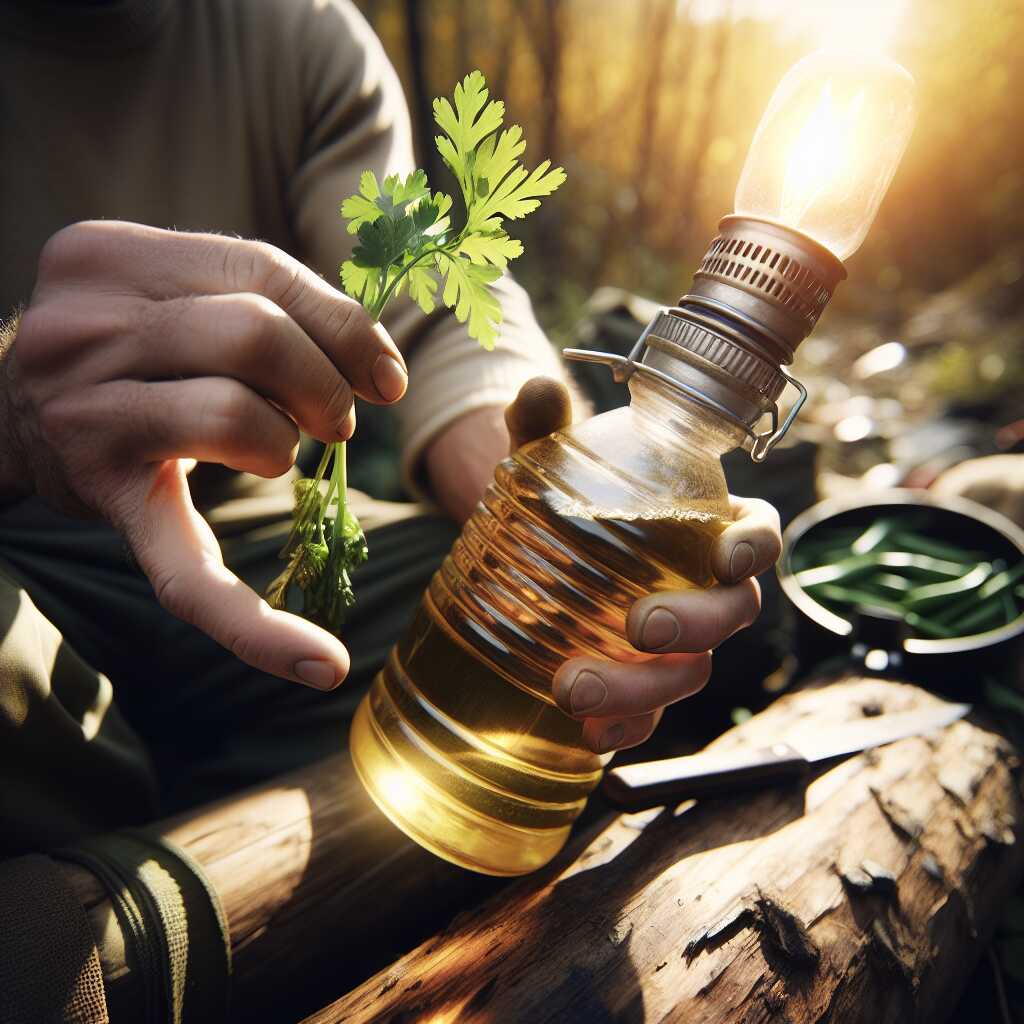
By Predicament Measures
Quick Answer: Can vegetable oil be used as improvised oil lamp fuel for long term light sources
Yes vegetable oil can be used as improvised oil lamp fuel because it is combustible in a wick-fed lamp and can sustain a steady flame but it burns cooler produces more soot and odor and is dimmer than commercial lamp oil or electric lighting
- Effectiveness: Typically produces roughly 20 to 120 lumens depending on wick size container and oil type which is about 2 to 15 of a 60W incandescent 800 lumen bulb but enough for close task or ambient light
- Cost: Approximately $2 to $6 per liter for common vegetable oil versus about $1 to $3 per liter for kerosene and $6 to $12 per liter for commercial lamp oil depending on region
- Time: Setup takes about 10 to 30 minutes; burn time commonly ranges from 8 to 30 hours per liter depending on wick diameter and burn rate
- Limitation: It cannot safely replace bright electric or LED lighting indoors unattended it will not provide high brightness long term without maintenance and it produces soot odor and more smoke than clean fuels
Vegetable oil is a plant-derived combustible liquid (common types: canola, sunflower, soybean) that will burn in a wick-fed lamp when properly wicked and ventilated. This $2 to $6 per liter solution is a widely available, low-cost emergency fuel option compared to kerosene at $1 to $3 per liter.
The process works through three key relationships: a cotton or braided wick draws vegetable oil resulting in a steady, wick-fed flame producing roughly 20-120 lumens; wick diameter and height control oil flow and increase or decrease brightness enabling user-adjustable output (brighter at the expense of faster consumption); and oil volume determines burn time creating about 8-30 hours of light per liter depending on wick size and burn rate.
How to use vegetable oil as lamp fuel step-by-step
- Select and condition the oil (10-30 minutes): Choose refined vegetable oil (canola, sunflower, soybean) at about $2-$6 per liter. If using reclaimed cooking oil, filter through a fine mesh and coffee filter and let settle 12-24 hours to remove solids and water. Result: clean oil with reduced sputtering and longer, more stable burn.
- Choose a container and wick size (5-10 minutes): Use a non-flammable, stable container (mason jar, metal tin, or purpose-built lamp) sized 150 ml-1 L. Select a cotton braided wick 3-6 mm diameter for average burn; thicker wicks (6-10 mm) increase brightness but consume oil faster. Result: a matched wick and container for predictable flow and safe fill level.
- Prepare and mount the wick (5-15 minutes): Thread the wick through a metal or ceramic holder so 5-10 mm of wick extends above the holder and 1-2 cm sits in the oil. Trim frayed ends and ensure secure mounting so the wick does not shift. Result: stable capillary feed that primes within 5-10 minutes.
- Fill to a safe level (2-5 minutes): Fill the container to about 60-80 capacity (e.g., 400-800 ml in a 1 L jar) to leave headspace and reduce spill risk. Leave enough wick submerged (1-2 cm) to maintain feed. Result: reduced spill risk and consistent burn time expect roughly 8-30 hours per liter depending on wick settings.
- Prime and light the lamp (5-15 minutes): Allow the wick to soak 3-10 minutes before lighting. Light carefully with a long match or lighter, then adjust the exposed wick height in 1-2 mm increments. Short flame (3-5 mm above holder) gives less soot and longer burn; taller flame gives more light but more smoke. Result: immediate light output in the 20-120 lumen range; initial adjustments within the first 10-30 minutes stabilize soot and odor levels.
- Monitor and adjust for desired balance (first 30-60 minutes, then periodic checks): Observe flame for steady shape and minimal smoking for 10-30 minutes. If the flame smokes heavily, lower the wick or improve ventilation. For longer run time, reduce wick height or switch to a thinner wick. Result: balance between brightness and burn time (you cannot achieve bright room-scale illumination that LEDs/AC lights provide).
- Safety checks and maintenance (ongoing; check every 30-60 minutes initially): Never leave a burning vegetable-oil lamp unattended. Keep lamps away from drafts, children, pets, and flammable materials. Use in ventilated spacesdo not run as a primary indoor light source in small, sealed rooms due to soot and CO buildup. Clean soot from glass and trim wicks every few hours of burn. Result: lower fire risk and reduced odor; note the limitation that vegetable oil emits more soot and odor than kerosene or lamp oil.
- Storage and disposal (5-10 minutes): Store extra oil in labeled, sealed containers at room temperature, out of direct sunlight. Reuse filtered used oil if cleaned thoroughlyexpect diminishing quality (more smell and soot) after repeated reuse. Dispose of large volumes per local hazardous-waste guidelines. Result: safe stockpiling and reduced waste; do not store open containers near heat sources.
- What this method cannot do (immediate): It will not replace bright electric or LED lighting for large areas, it cannot be left burning unattended indoors safely for long periods, and it will produce more soot, odor, and smoke than commercial lamp oils. Do not use vegetable oil in pressurized burners or appliances designed for kerosene/white gas (risk of malfunction or fire).
FAQ
What is vegetable oil exactly and how is it defined for fuel use
Vegetable oil is plant-derived triglyceride oil used for cooking that can serve as an improvised lamp fuel when fed to a wick and burned slowly in a lamp, lantern, or improvised burner. Vegetable oil provides combustible hydrocarbon fuel that burns at lower temperature than kerosene and commercial lamp oil and produces more soot and odor. Predicament Measures notes that vegetable oil is useful for short- to medium-term lighting needs in emergency and off-grid use but cannot replace bright electric or LED lighting or unattended indoor heating due to smoke and odor limits.
What types of vegetable oil are suitable for burning and why
Refined soybean, canola, sunflower, and light olive oil are generally the best choices because they have lower viscosity and fewer solids, which helps wick feed and reduces clogging. Unrefined oils with high solids, old used fryer oil, and oils with food particles can increase soot, clog wicks, and reduce reliability. Cost ranges from $2 to $6 per liter for common vegetable oil, which gives a useful comparison to kerosene and lamp oil in testing and reviews.
How does vegetable oil work step by step to make lamp fuel
Vegetable oil works by capillary action drawing liquid up a wick where heat vaporizes some oil and the vapor burns, providing a steady flame when wick size and airflow match the oil viscosity. Setup takes about 10 to 30 minutes for a basic wick-and-container lamp, including trimming the wick and priming the feed, and the oil commonly burns at rates giving 8 to 30 hours per liter depending on wick diameter and burn rate. Practical testing and user experience show that success depends on correct wick height, a stable container, and routine trimming to manage soot and flame stability.
What wick and container setup is needed for a stable flame
A cotton or fiberglass wick 2 mm to 6 mm wide in a small, stable metal or glass container with a fill level 10 mm to 40 mm below the top rim provides the best chance of a stable flame. Secure, sturdy mounting, a shallow fuel depth to prevent drowning the wick, and an adjustable wick holder help ensure reliable burn performance and easier cleanup. Users should test wick size in short 15 to 60 minute trials to find the best flame height and to reduce smoke in later use.
What are the main benefits of using vegetable oil for lamp fuel
Vegetable oil provides an accessible, low-cost emergency fuel option that is widely available at $2 to $6 per liter and can extend light availability when other fuels are scarce. Vegetable oil offers reliable, steady light suitable for close work and ambient lighting, producing roughly 20 to 120 lumens depending on wick, container, and oil type, which helps in comparison with other fuels during planning and testing. The approach helps preppers and off-grid residents with backups and reuse options, and it delivers a durable, easy fuel source where storage of flammable liquid fuels is restricted.
How long can vegetable oil provide light compared to other fuels
Vegetable oil commonly provides 8 to 30 hours of burn time per liter depending on wick diameter and burn rate, which compares to kerosene that can burn longer at similar volumes if burned at higher efficiency. Vegetable oil usually produces dimmer light, about 2 to 15 of a 60W incandescent 800-lumen bulb, which limits its use to tasks near the flame or for ambient room light. Testing and reviews show vegetable oil is best used as a reliable backup rather than a primary long-term lighting solution for high-brightness needs.
What are the risks and limitations of vegetable oil as lamp fuel
Vegetable oil has clear limits: it burns cooler, produces more soot and odor, and can clog wicks and containers, so it cannot safely replace electric lighting indoors unattended or provide bright long-term illumination without maintenance. Fire risk exists with open flames, so stable non-tip containers, a secure wick holder, and never leaving a lit lamp unattended are essential safety practices that reduce risk. Indoor air quality can worsen with soot and particulate matter, which creates health concerns for long-term indoor use and which makes proper ventilation a required part of any plan.
What safety hazards and indoor risks should be avoided when burning
Avoid using vegetable oil lamps in bedrooms or tight spaces without ventilation, and avoid placing lamps near curtains, paper, or children and pets to reduce fire and burn risks. Use a sturdy metal or glass base, keep fire extinguishing gear nearby, and test lamps for 15 to 60 minutes before extended use to check for smoking, splattering, or wick failure. Regular wick trimming, regular cleaning of containers, and using filtered or refined oil help improve performance and lower soot, which enhances safety and reliability.
Who should consider using vegetable oil as an emergency light source
Preppers, campers, off-grid residents, homeowners facing temporary power outages, and DIY emergency responders who need a low-cost and readily available backup light source should consider vegetable oil lamps for short- to medium-term use. People with basic DIY experience who can perform simple testing, wick adjustment, and safe setup are most likely to achieve good results, and those seeking convenience and lower fuel cost find this option useful in reviews and field tests. Predicament Measures recommends vegetable oil as a pragmatic emergency option that helps fill lighting gaps while encouraging testing, safe practice, and comparison with purpose-built lamp fuels.
What experience level and conditions make vegetable oil a viable option
A user with basic experience in safe open-flame handling, simple testing, and routine maintenance can reliably use vegetable oil lamps in controlled, ventilated settings. Conditions that improve success include outdoor use, well-ventilated rooms, stable lamp holders, and short-duration lighting needs of 8 to 30 hours per liter; these conditions improve efficiency and reduce smoke complaints. If bright, continuous, unattended indoor lighting is required, vegetable oil cannot meet that need and users should choose commercial lamp oil, kerosene, or battery/solar LED alternatives.
When is the best time to use vegetable oil for prolonged lighting needs
Use vegetable oil for prolonged lighting when you need steady, low-brightness indoor or sheltered outdoor light for multi-hour stretches such as multi-day power outages, off-grid living, or extended camp nights because vegetable oil can burn for about 8 to 30 hours per liter depending on wick size and burn rate. Vegetable oil provides reliable, low-cost fuel when kerosene and commercial lamp oil are scarce and when you have tested wicks and containers for safe use; setup commonly takes 10 to 30 minutes. Vegetable oil has limits: it burns cooler, produces more soot and odor, is dimmer than electric or commercial lamp oil, and cannot replace bright indoor lighting unattended or in enclosed spaces without ventilation and frequent maintenance.
What environmental and situational factors make vegetable oil preferable
Vegetable oil works best where fuel availability, storage simplicity, and mild conditions favor a wick-fed lamp because many homes and camps already have cooking oil on hand and oil stores last long and do not require pressurized canisters. Vegetable oil performs well in sheltered, low-draft spaces and where users can perform regular wick trimming and soot cleaning; testing and review from field experience show the fuel helps when resupply is uncertain. Vegetable oil does not perform well in high wind, very cold weather without warming, or in small unventilated rooms where smoke and odor become a safety and comfort issue.
How much does vegetable oil cost compared to kerosene and lamp oil
Vegetable oil costs about $2 to $6 per liter depending on brand and type while kerosene costs about $1 to $3 per liter and commercial lamp oil costs about $6 to $12 per liter, so vegetable oil often sits between cheapest and premium fuels. Vegetable oil delivers roughly 8 to 30 hours of burn per liter depending on wick size, which yields an approximate cost per hour range of $0.07 to $0.75 per hour for vegetable oil given the $2 to $6 per liter price and the 8 to 30 hour burn range. Vegetable oil offers good value for short to medium-term use, provides cost savings when you already have supplies on hand, and cannot match the cleaner burn, higher lumen output, and lower soot of quality lamp oil for long indoor use.
What are typical per liter costs and cost per hour of light produced
Typical per-liter costs are $2 to $6 for common vegetable oil, $1 to $3 for kerosene, and $6 to $12 for commercial lamp oil depending on region and 2025 market conditions. Cost per hour for vegetable oil commonly ranges from about $0.07 per hour at $2 per liter with a 30 hour burn to about $0.75 per hour at $6 per liter with an 8 hour burn, which offers a useful comparison for budgeting emergency lighting. Cost per hour depends on wick diameter, flame control, and container design, and vegetable oil cannot consistently deliver the same lumen per liter as purified lamp fuels.
What materials and tools are needed to make a vegetable oil lamp safely
You need a proper container, a suitable wick, basic tools, and safety gear to build a safe vegetable oil lamp: use a non-reactive metal, ceramic, or tempered glass container of 100 ml to 1 liter capacity, braided cotton or fiberglass-cored wick sized roughly 2 mm to 8 mm in diameter, a funnel, a snuffer or flame guard, and heat-resistant gloves. Use a secure cap or collar to hold the wick centered and a small wire or clamp to adjust wick height for flame control; testing wick height for 5 to 15 minute burns helps ensure reliable performance and lower soot. Predicament Measures recommends simple testing and review before extended use, and vegetable oil lamps require constant supervision and cannot be left burning unattended like certified electric lights.
What type and size of wick and container improve efficiency and safety
A braided cotton wick sized 2 mm to 8 mm in diameter improves efficiency because smaller wicks yield lower soot and longer burn time while larger wicks increase lumen output at the cost of more smoke and faster fuel use. Use a sturdy non-flammable container such as 250 ml to 1 liter metal or thick glass with a wide base to reduce tip-over risk and include a tight-fitting collar to hold the wick steady for consistent capillary feed. Use heat-resistant hardware and perform short 10 to 30 minute tests to fine-tune wick height and check for leaks, and never expect vegetable oil to match the clean burn of lamp oil.
What are the best alternatives to vegetable oil for long term lighting
Best alternatives include kerosene, purified lamp oil, propane lanterns, and battery-powered LED lighting because each offers advantages in brightness, burn cleanliness, duration, or safety compared to vegetable oil. LED lights deliver 200 to 1,000+ lumens with low energy use and immediate on/off control, kerosene and lamp oil deliver steadier wick-driven flames with cleaner burn and higher lumen per volume, and propane lanterns provide high output for outdoor use with controlled fuel flow. Each alternative has trade-offs: kerosene and lamp oil produce fewer odors, propane needs ventilation and proper fittings, and batteries require charging or replacement; no alternative perfectly replaces the portability and storage convenience of vegetable oil in every scenario.
How do alternatives compare for brightness duration cost and safety
LED lighting provides the best lumen per watt and lowest soot with durations tied to battery capacity; LED options can run 6 to 100+ hours on common battery packs and offer excellent reliability in tests and reviews. Kerosene and lamp oil usually cost less per hour for similar brightness when measured against vegetable oil and provide cleaner flames and less odor, while propane gives intense light for outdoor tasks at higher equipment cost and with ventilation needs. Users should compare research, reviews, and personal testing to choose the best option because every fuel and light type delivers different balance of brightness, duration, cost, and safety.
What common mistakes should be avoided when using vegetable oil lamps
Avoid overfilling, using the wrong wick material, leaving the lamp unattended, and placing lamps near flammable materials because these errors raise fire, spill, and smoke risks and reduce reliability. Frequent mistakes include using thin paper or synthetic wicks that melt or clog, failing to trim the wick to 2 mm to 5 mm for a steady flame, and putting lamps in drafty spots that cause flicker and soot; routine checks and testing reduce these failures. Predicament Measures suggests hands-on testing, reviews of setup steps, and clear safety checks; vegetable oil cannot be relied on as a primary indoor light source without active maintenance and ventilation.
What simple checks and maintenance prevent flare ups soot and spills
Trim the wick to 2 mm to 5 mm before each long burn, test a 10 to 30 minute trial burn to verify soot levels, and keep fuel below 90 of container capacity to prevent spills and flare ups. Keep a small metal snuffer or lid ready to extinguish the flame, store spare oil in sealed containers, and inspect seals and collars for leaks before every use to enhance safety and performance. Regular checks, simple tools, and user testing improve reliability and make vegetable oil lamps a useful emergency tool when used within their limits.
Related posts:
 Unwaxed Dental Floss: High-Strength Fishing Line Alternative for Wilderness Food Procurement
 Petroleum Jelly Cotton Balls: Five-Minute Burn Time Fire Starters for Damp Conditions
 Elastic Hair Ties: Cordage Bundle Organizers for Tangle-Free Emergency Kits
 Plastic Cling Wrap: Burn Wound Covering to Prevent Infection and Fluid Loss
 Cornstarch: Moisture Absorption Powder for Preventing Trench Foot
 Maxi Pads: Large Absorbent Bandages for Major Trauma Wound Coverage
 Rubber Erasers: Emergency Ear Protection Against Dangerous Noise Levels
Acrylic Yarn: Emergency Wound Sutures for Gaping Lacerations
Rubber Erasers: Emergency Ear Protection Against Dangerous Noise Levels
Acrylic Yarn: Emergency Wound Sutures for Gaping Lacerations