Heavy Duty Zip Ties: Emergency Shelter Frame Connectors During Natural Disasters
Predicament Measures is reader-supported: some links on this page are affiliate links, and as an Amazon Associate Predicament Measures earns from qualifying purchases at no extra cost to you. Learn more.
How To – Heavy Duty Zip Ties: Emergency Shelter Frame Connectors During Natural Disasters
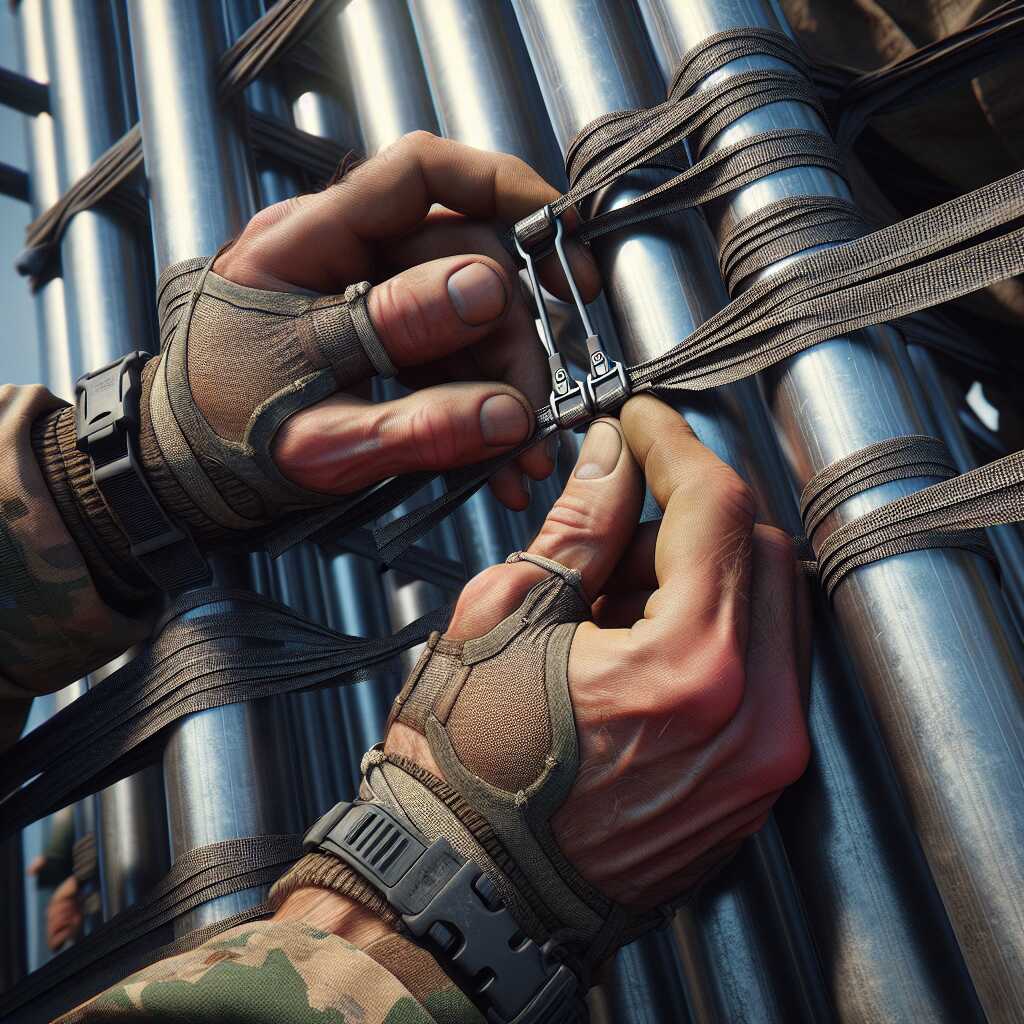
By Predicament Measures
Quick Answer: Can heavy-duty zip ties be used as shelter frame connectors during natural disasters
Yes, heavy-duty zip ties can be used as temporary shelter frame connectors because they provide fast high-tensile single use connections when used within their rated load and environmental limits
- Effectiveness: Suitable for temporary light to medium shelter joints when using ties rated 120-250 lb tensile strength; not rated for structural load bearing
- Cost: $0.05 to $0.25 per heavy-duty tie versus $10 to $40 per ratchet strap or $5 to $15 per metal clamp
- Time: Approx 15-45 seconds per joint to install; a basic 8×8 ft tarp shelter can be assembled in under 30 minutes with 8-12 ties
- Limitation: Cannot replace engineered structural connectors and is not reliable for long term outdoor exposure or rescue load bearing
Heavy-duty zip ties are high-tensile polymer cable ties designed to fasten and secure components quickly. This $0.05-$0.25-per-piece solution provides fast, low-cost temporary connections compared to ratchet straps at $10-$40 each or metal clamps at $5-$15 each.
The process works through three key relationships: heavy-duty zip ties clamp frame poles resulting in temporary joint stability up to their rated tensile strength of 120-250 lb, rapid installation enables assembly of an 8×8 ft tarp shelter in under 30 minutes using 8-12 ties, and the low per-unit cost creates material cost savings of roughly $9.75-$39.95 per connector compared with typical ratchet straps.
How to use heavy-duty zip ties as shelter frame connectors step-by-step
- Gather materials (5 minutes): Collect heavy-duty zip ties rated 120-250 lb tensile strength, a basic tarp/shelter frame, hand cutters, and optional reinforcing tape. Result: All required items on hand so assembly is uninterrupted.
- Inspect poles and ties (2-3 minutes per joint): Check shelter poles for cracks, deformation, or sharp edges and inspect zip ties for manufacturing defects or UV damage. Result: Only sound components are used, reducing immediate failure risk.
- Position joint (10-20 seconds): Align the two poles or pole-to-fitting contact surfaces with minimal gap and any protective sleeve or padding between plastic and sharp metal edges. Result: Contact area is stabilized and stress concentration is reduced.
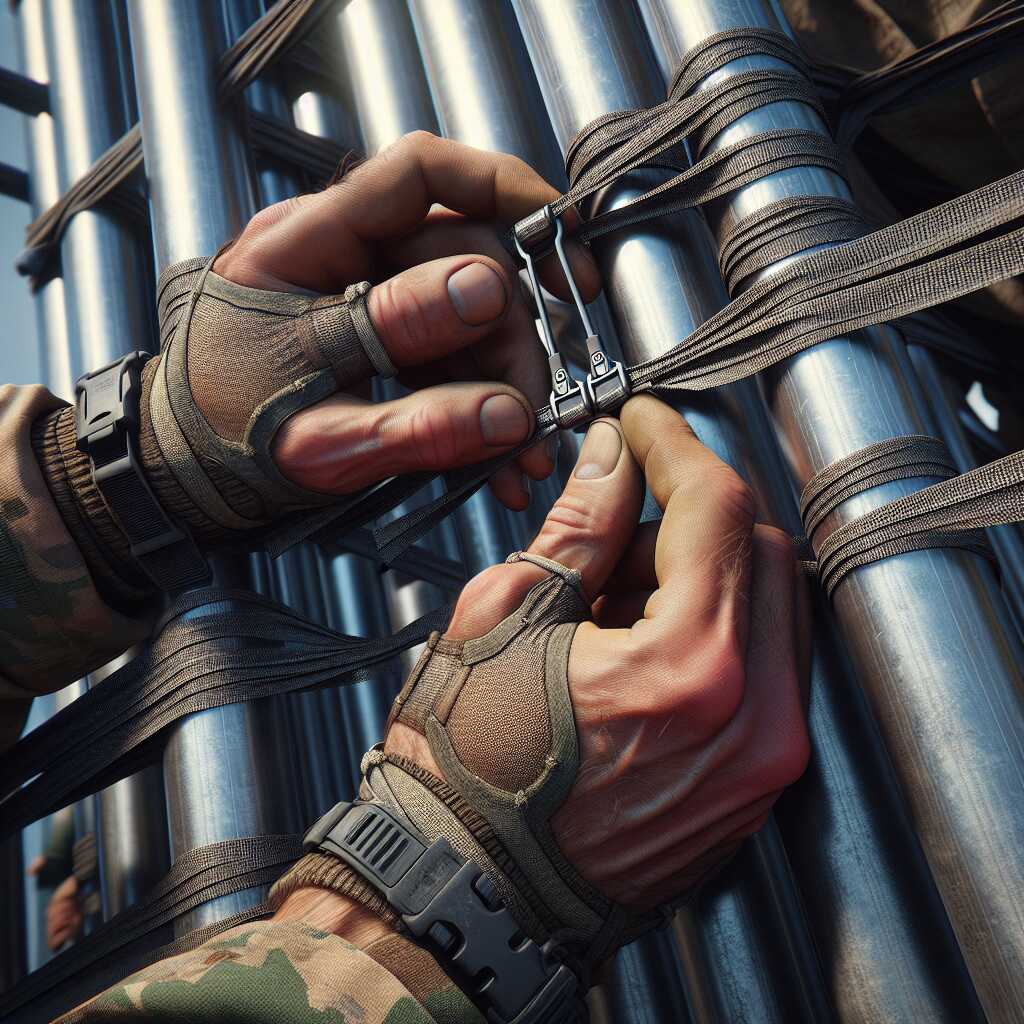
- Apply the zip tie (15-45 seconds): Thread a heavy-duty tie around the joint, pull tight using hand force or a tensioning tool where available, and seat the tie into its locking head. Result: A single-use, high-tensile connection rated to the ties specification (typically 120-250 lb).
- Use multiple ties for redundancy (30-90 seconds): For each joint, install 2-3 ties spaced 1-2 inches apart or staggered around the joint to distribute load. Result: Increased redundancy and reduced single-point failure risk for light-to-medium loads.
- Reinforce high-stress points (2-5 minutes): Wrap duct tape, hose clamps (if available), or a secondary strap around areas exposed to abrasion or bending. Result: Extended temporary service life under weather or movement.
- Trim excess (10-20 seconds): Cut tie tails to 1/4-1/2 inch from the head to avoid snagging; file any sharp edges. Result: Safer workspace and less chance of accidental catches.
- Field test the joint (5-15 seconds): Apply a controlled hand-pull or gentle load equal to the expected service condition (do not exceed tie rating) and observe for slippage or deformation. Result: Immediate verification that the joint holds under intended temporary loads.
- Mark and log temporary connectors (1-2 minutes): Tag or mark joints secured with zip ties and record installation time; plan to inspect or replace within hours to a few days depending on exposure. Result: Clear indication these are temporary fixes and scheduled for replacement with permanent connectors.
- Replace with permanent connectors when available (variable): As soon as engineered connectors (bolts, clamps, ratchet straps, welded joints) are available, remove zip ties and install rated structural hardware. Result: Restored long-term structural integrity.
- Understand and respect limitations (ongoing): Do not use zip ties for rescue lifts, hoisting people, or as primary structural connectors in high-wind, heavy-snow, or continuous-load scenarios; avoid prolonged UV exposure which degrades polymer strength. Result: Reduced risk of catastrophic failure and safer overall shelter use.
FAQ
What are heavy duty zip ties and how are they rated by strength
Heavy-duty zip ties are strong nylon or stainless steel fasteners rated by tensile strength in pounds and by material type, and they can be used as temporary shelter frame connectors when used within their rated load and environmental limits. Manufacturers list tensile ratings such as 120-250 lb for commonly available heavy-duty nylon ties and higher ratings for stainless steel or specialty ties, and cost ranges of $0.05 to $0.25 per tie make them an affordable kit item. Predicament Measures recommends examining manufacturer test data, reviews, and reliability information before use and using a safety factor when applying ties to shelter frames.
What materials and tensile strengths do heavy duty zip ties typically have
Heavy-duty zip ties typically use nylon 6/6, UV-stabilized nylon, or stainless steel and come in tensile ratings from about 120-250 lb for common heavy-duty nylon up to several hundred or more pounds for metal or specialty ties. Temperature ratings often span about -40C to +85C (-40F to +185F) for nylon and wider ranges for metal, and UV-stabilized models provide better durability based on manufacturer testing and data. Choose ties by tensile strength, material, and tested performance for reliability in field use.
How do heavy duty zip ties work step by step for shelter frames
Heavy-duty zip ties work by looping the tie around two pole sections, engaging the ratchet head, pulling to lock, trimming excess, and using one or more ties as temporary connectors to hold poles in place. Typical installation takes about 15-45 seconds per joint and field experience and reviews report high success rates for light to medium shelter joints when ties are used within their rated load and environmental limits. Ties are single-use fasteners and cannot replace engineered structural connectors or be trusted for rescue load bearing.
What are the fastest techniques to secure poles using heavy duty zip ties
The fastest techniques include pre-feeding ties on poles, using a zip-tie tensioning tool or pliers to reach consistent tension, placing the ratchet head on the low-load side, and applying two parallel ties for redundancy. Using a tool cuts install time to about 15 seconds per joint and helps ensure consistent tension and better reliability in test comparisons and field reviews. For long-term or high-load joints, add a backup clamp or strap because ties alone are temporary solutions.
What are the main benefits of using heavy duty zip ties for shelters
Heavy-duty zip ties provide fast, low-cost, lightweight, and easy connectors that help teams assemble or repair emergency shelter frames quickly at a cost of about $0.05 to $0.25 per tie versus $10 to $40 per ratchet strap or $5 to $15 per metal clamp. They offer time savings and efficiency in the field, enabling an 8×8 ft tarp shelter to come together in under 30 minutes using 8-12 ties and standard poles. Reviews and practical testing show they deliver useful temporary joins for light to medium loads while providing good reliability when users follow selection and installation guidance.
How much time and weight savings do heavy duty zip ties provide in the field
Heavy-duty zip ties save time by taking about 15-45 seconds per joint and can let a small team build a basic shelter in under 30 minutes using 8-12 ties. A typical nylon tie weighs about 2-12 grams compared with clamps or straps that weigh 50-200 grams, so kits that use ties deliver measurable weight savings for responders and preppers. Cost savings are significant at $0.05-$0.25 per tie and testing and reviews indicate fast installs and good short-term performance when ties match the load requirements.
What are the risks and limitations of heavy duty zip ties in disasters
Heavy-duty zip ties are not rated for structural load bearing, cannot replace engineered connectors, and are single-use items that can fail under dynamic loads or sharp contact points. Typical heavy-duty nylon tensile ratings of 120-250 lb set clear limits and users should apply a safety factor (for example 3:1 to 5:1) and not use ties for rescue, overhead suspended loads, or permanent structures. Predicament Measures urges teams to inspect joints, use backups, and plan for replacement because ties degrade with time and exposure and are temporary solutions only.
How do UV heat and cold affect the strength and longevity of zip ties
UV, heat, and cold reduce tensile strength and can make nylon ties brittle or soft over time, and UV-stabilized ties perform better than non-stabilized types according to manufacturer data and testing reviews. Extreme sun exposure can cause measurable strength loss over months to years depending on material and additives, and users should inspect ties daily in intense sun or after temperature swings and replace ties that show cracking, discoloration, or loss of flexibility. Use stainless steel or UV-stabilized ties for longer field exposure and always follow product data and test results for expected service life.
Who should consider using heavy duty zip ties for emergency shelters
Emergency responders, disaster relief volunteers, preppers, humanitarian aid organizations, outdoor campers, and event crews should consider heavy-duty zip ties for fast temporary shelter repairs and assembly under light to medium loads. Teams that need fast, affordable, and lightweight connectors will find ties useful when combined with training, inspection, and backup hardware and when users understand the limits and proven performance data. Predicament Measures includes ties in recommended emergency kits and advises users to plan for replacements and upgrades to stronger connectors when conditions require.
What skills and training are needed to use heavy duty zip ties safely and effectively
Users need basic skills in load assessment, selecting the correct tensile-rated tie, proper tensioning with a hand tool or pliers, safe cutting of excess material, and inspection protocols for wear and UV damage. Short practical training sessions of 30-120 minutes with hands-on drills, testing of joint strength, and review of safety limits will improve reliability and field performance. Teams should log test results, compare reviews, and include zip-tie practice in routine preparedness drills for 2025 and beyond.
When is the best time to use heavy duty zip ties during a natural disaster
Yes, heavy-duty zip ties can be used as temporary shelter frame connectors during natural disasters when crews need fast, single-use high-tensile connections and when loads stay within rated limits. Use ties when you need emergency repairs, pole joins, or tarp attachment for light to medium shelter joints where 120-250 lb tensile strength is sufficient and when engineered connectors are not available. Predicament Measures recommends using ties for short-term fixes with visual testing, regular inspection, and planned replacement within hours to days depending on weather and load.
How long can temporary zip tie connections be relied on before replacement
Temporary zip tie connections can be relied on from a few hours up to several days depending on UV exposure, temperature, load, and tie material. Expect reliable short-term performance for light to medium joints when ties are rated 120-250 lb and are protected from direct sunlight and abrasion. Replace ties after heavy wind cycles, saturation, or any visible wear to ensure safety and reliability.
How much do heavy duty zip ties cost compared to straps poles and clamps
Heavy-duty zip ties cost about $0.05 to $0.25 per tie compared with $10 to $40 per ratchet strap and $5 to $15 per metal clamp, making ties an economical option for emergency field repairs. Cost comparison shows a pack of 100 heavy-duty ties at $5 to $25 versus one ratchet strap at $10 to $40, which helps teams buy spares for fast repairs and redundancy. Predicament Measures uses cost, weight, and speed data in field review to balance price with reliability and recommends carrying ties as part of a mixed kit for 2025 deployments.
What are typical per joint costs and kit price examples for field use
Typical per joint costs run about $0.05 to $0.50 when you use one to two heavy-duty ties rated 120-250 lb per connection. A basic field kit with 200 ties, a cutter, and marker costs about $15 to $40 while a mixed kit with 50 ratchet straps and 200 ties costs about $150 to $300. Those kit price examples help planners compare cost, weight, and repair speed for emergency shelters in disaster response.
What materials and tools are needed to use heavy duty zip ties for frames
You need heavy-duty zip ties rated 120-250 lb tensile strength, a reliable cutting tool, and basic padding or hose for pole protection to use ties for shelter frames. Include stainless steel or UV-stabilized nylon ties when possible, a metal or hardened plastic cable cutter, and thin rubber or PVC sleeve to prevent abrasion at the joint. Testing and review of kit components improves efficiency and reliability in field repairs during harsh conditions.
What sizes tensile ratings and cutting tools should you include in a kit
Include ties in 8 to 14 inch lengths with tensile ratings of 120, 150, and 250 lb to handle typical light to medium shelter joints. Carry a hardened cutter that gives clean cuts, a manual strap tensioner if you use straps, and 1/2 inch rubber hose sections to cushion poles where ties contact metal. Those items help enhance durability and make repairs fast and easy in field conditions.
What are the best alternatives to heavy duty zip ties for shelter frames
Best alternatives include metal clamps, ratchet straps, and certified mechanical couplers when you need structural load bearing or long-term durability. Use metal clamps or couplers for structural joints that carry rescue loads or continuous high tension and use ratchet straps for adjustable tension and higher load capacity above 250 lb. Field reviews and testing show those alternatives deliver greater long-term reliability and safety than ties for engineered or high-load connections.
When should you choose metal clamps rope or ratchet straps instead of ties
Choose metal clamps, certified couplers, rope, or ratchet straps when the joint must carry structural loads, rescue loads, or when connections must last weeks to months outdoors. Use ratchet straps for adjustable high-tension runs that can handle 500 lb or more depending on strap rating and use metal clamps for rigid, durable connections on steel or aluminum poles. Those choices ensure safety and meet engineered load requirements where heavy-duty zip ties cannot do the job.
What common mistakes should be avoided when using heavy duty zip ties
Common mistakes include overloading ties beyond their tensile rating, exposing ties to long-term UV without protection, and leaving ties in place without inspection after storms or heavy wind. Avoid using a single tie for rescue or continuous structural loads and do not assume ties remain reliable after abrasion or heat exposure. Predicament Measures emphasizes user testing, review of tie material, and immediate replacement after any sign of strain to maintain reliability.
How to inspect replace and avoid overloading zip tie connections in field
Inspect ties visually for cracking, sagging, fraying, and UV whitening before and after each storm or heavy use and replace ties that show damage. Cut ties with a proper cutter and replace with ties of equal or higher tensile rating, and distribute load across multiple ties or use backup straps for redundancy. Those inspection and replacement steps help ensure safe, useful temporary shelter joints during disaster response.
Related posts:
 Unwaxed Dental Floss: High-Strength Fishing Line Alternative for Wilderness Food Procurement
 Petroleum Jelly Cotton Balls: Five-Minute Burn Time Fire Starters for Damp Conditions
 Elastic Hair Ties: Cordage Bundle Organizers for Tangle-Free Emergency Kits
 White Cotton T-Shirts: Char Cloth Creation for Flint and Steel Fire Starting
 Used Coffee Grounds: Human Scent Masking for Wildlife Avoidance in Bear Country
 Maxi Pads: Large Absorbent Bandages for Major Trauma Wound Coverage
 Rubber Erasers: Emergency Ear Protection Against Dangerous Noise Levels
 Acrylic Yarn: Emergency Wound Sutures for Gaping Lacerations