How To – Lip Balm Sticks: Friction Prevention Coating for Feet During Forced Marches
By Predicament Measures
Quick Answer: Can lip balm sticks prevent blisters and reduce foot friction during forced marches
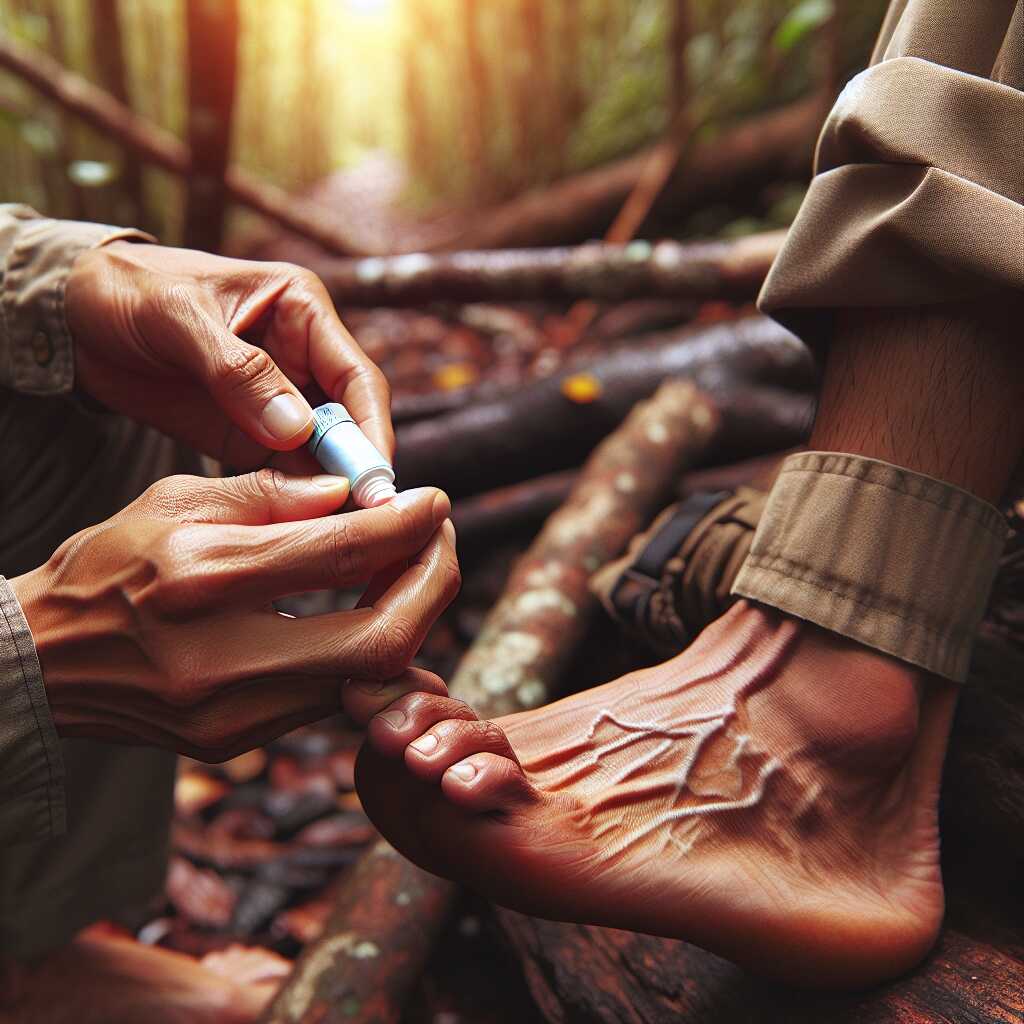
Yes, lip balm sticks can reduce friction and help prevent hotspots and blisters when applied properly because they create a thin lubricating barrier between skin and sock or shoe
- Effectiveness: Variable but often effective for short to medium durations; many users report clear reduction in hotspots under dry to moderate sweat conditions (results depend on sweat level, shoe fit and terrain)
- Cost: About $1 to $6 per lip balm stick versus $5 to $20 for specialty anti chafe products or commercial blister kits
- Time: Application takes 1 to 2 minutes per foot and typically lasts 1 to 6 hours depending on sweating, wet conditions and activity intensity
- Limitation: Cannot compensate for poorly fitted boots, severe prolonged wetting or deep existing blisters and may wash off quickly in heavy sweat or immersion
Lip balm sticks are small, portable solid-stick lubricants originally designed for lips that can be repurposed as a low-cost antichafe coating for feet. This $1-$6 solution reduces skintofabric friction and prevents hotspots compared to specialty antichafe products that typically cost $5-$20.
The process works through three key relationships: lip balm reduces skin-to-sock friction resulting in fewer hotspots and reduced shear forces on the skin, the balm’s waxy lubricant bonds to skin and fabric enabling smoother movement and decreased blister initiation, and the thin barrier repels light moisture creating protection that commonly lasts 1 to 6 hours depending on activity and sweating.
How to use lip balm sticks on feet step by step
- Clean and dry the foot (2-3 minutes): Wash the foot with soap and water, rinse, and thoroughly dry with a towel. Instruction: Remove dirt, salts and old ointment so the balm spreads evenly. Result: Better adhesion of the balm and reduced chance of trapping contaminants under the coating.
- Inspect footwear and socks (1-2 minutes): Check sock seams, shoe tongue, heel counter and insole for rough spots, stones or foreign objects. Instruction: Remove debris and adjust socks or insoles; replace thin or wet socks if possible. Result: Eliminates primary mechanical sources of friction that balm cannot fix.
- Apply a thin strip of lip balm to key zones (1-2 minutes per foot): Rub a thin line (about 2-3 cm long) of balm across common hotspot areas the heel, ball of foot, and along the toes where rubbing occurs. Instruction: Use light pressure so a thin, even lubricating film covers the skin; avoid globbing on large amounts. Result: A lowprofile barrier that reduces shear and prevents initial hotspot formation.
- Test foot movement in socks and shoes (30-60 seconds): Put socks and boots on and walk 30-60 seconds at normal pace. Instruction: Ensure the foot does not slip excessively inside the shoe; if excessive slippage occurs, use less balm or add an extra sock layer. Result: Confirms reduced friction without compromising stabilitycritical for safety during marches.
- Reapply on schedule or when needed (every 1-6 hours): Monitor for returning hotspots or increased friction. Instruction: Reapply a thin layer if you feel rubbing or after heavy sweating; carry a spare stick in a pocket or kit. Result: Maintains protection for the duration of short-to-medium marches; typical longevity is 1-6 hours depending on sweat and terrain.
- Avoid use on open or infected blisters (immediate): Do not apply balm over raw, open, or infected skin. Instruction: For existing blisters, treat per medical guidelines (clean, pad, and protect) and consult a medic if needed. Result: Prevents sealing in infection and allows proper medical care when required.
- Know the limitations and backup options (preparation time 5 minutes): Carry duct tape, moleskin, or a commercial blister kit as backup. Instruction: If boots are poorly fitted, socks are saturated, or immersion occurs, rely on proper fit, dry socks, and medical dressings rather than balm alone. Result: Reduces risk from conditions where lip balm is insufficient (heavy perspiration, prolonged wetting, severe illfit footwear).
FAQ
what are lip balm sticks exactly and how are they defined
Lip balm sticks are small, solid tubes of wax and oil designed to protect and moisturize skin on lips and other areas and they come in standard sizes of about 3 to 5 grams and retail for about $1 to $6 each. These products provide a thin lubricating barrier that reduces direct skin-to-fabric friction and this use on feet has gained practical testing and field review from hikers and soldiers. Predicament Measures notes that lip balm sticks are not medical devices and cannot replace properly fitted boots, medical blister kits, or professional care for deep wounds.
what ingredients make lip balm sticks suitable for skin use
Common ingredients include beeswax, petrolatum (petroleum jelly), shea butter, dimethicone, lanolin, and vitamin E, and these ingredients provide lubrication, mild water resistance, and a skin-safe barrier. A typical stick contains 3 to 5 grams of product and manufacturers design these ingredients to meet cosmetic safety rules and deliver reliable, easy protection for short contacts. People with lanolin or fragrance allergies should review ingredient lists and choose fragrance-free, tested formulas to reduce the chance of irritation.
how do lip balm sticks work step by step for foot protection
Lip balm sticks work by creating a thin lubrication layer on skin that lowers friction between skin, sock, and shoe and this reduces heat and shear that form hotspots and blisters. To use, you clean and dry the skin, swipe 2 to 4 passes across the hotspot area, rub lightly to spread a thin film, and put socks and boots on; the full application takes about 1 to 2 minutes per foot. Field reports and user testing show the coating typically lasts 1 to 6 hours depending on sweat level, terrain, and activity and can improve comfort and reliability in short to medium marches.
what is the correct order and amount to apply on heels
Apply lip balm sticks to heels in this order: remove sock, dry skin for 10 to 30 seconds, make 2 to 4 gentle swipes across the heel area using about 0.05 to 0.3 grams total, smooth the film with a finger, then put socks and boots back on; the process takes 1 to 2 minutes per foot. Reapply every 1 to 4 hours or after heavy sweating, light immersion, or when you feel increased rubbing, and avoid thick globs that can make the inside of a boot feel slippery.
what are the main benefits of using lip balm sticks on feet
Yes, lip balm sticks can reduce friction and help prevent hotspots and blisters when applied properly because they create a thin lubricating barrier between skin and sock or shoe. Using a stick costs about $1 to $6 compared with $5 to $20 for specialty anti-chafe products, and the stick format provides low weight, easy storage, and fast application that enhances field efficiency and comfort. Field reviews and user experience show useful reduction in rubbing on short to medium marches, which improves march performance and offers a simple, proven option for quick anti-chafe treatment.
how much can lip balm reduce rubbing and hotspot pain during marches
Rubbing and hotspot pain commonly drop quickly after application, often within 5 to 10 minutes, and reported duration of relief ranges from about 1 to 6 hours depending on sweat and activity level. Results vary with shoe fit, foot shape, and terrain, and testing in real use shows clear reduction in many cases though outcomes are not uniform for every person.
what are the risks and limitations of lip balm sticks on feet
Lip balm sticks carry risks such as allergic reaction, increased slip risk on smooth wet surfaces, and possible trapping of bacteria if applied to broken skin, and they cannot substitute for proper boot fit or full medical care. The coating will wash off quickly with heavy sweating, immersion, or long intense marches and it cannot repair deep existing blisters or prevent all forms of friction injury. Users should follow testing, review ingredient labels, and accept that a stick provides short to medium duration protection but not a permanent or medical solution.
can lip balm sticks cause skin irritation infection or slippery hazards
Yes, lip balm sticks can cause skin irritation or allergic reactions in some people and can increase slip hazards when excess product contacts smooth surfaces. Lanolin and fragrances produce common allergic responses, applying to open blisters can raise infection risk by trapping moisture and bacteria, and users should apply a thin layer, perform a 24-hour patch test, and keep bandages or medic supplies available.
who should consider using lip balm sticks for forced marches
Military recruits, soldiers, hikers, search and rescue personnel, survivalists, preppers, athletic trainers, and medics should consider lip balm sticks when they need a low-cost, portable way to reduce friction during short to medium forced marches. People with normal skin, moderate sweat, and no deep blisters will likely find sticks useful and easy to carry in a pocket or first-aid kit, and cost is low at $1 to $6 per stick with broad availability in 2025. Predicament Measures recommends including lip balm sticks as part of a tested blister-prevention kit while ensuring reliable boot fit and backup blister care supplies are present.
are recruits hikers medics or people with sensitive skin good candidates
Recruits, hikers, and medics are good candidates because sticks deliver fast, easy, and portable anti-chafe protection and they fit well in field kits used by trainers and medics. People with sensitive skin should perform a small patch test for 24 hours, review product reviews and testing data, and choose hypoallergenic, fragrance-free formulas to reduce the risk of irritation.
when is the best time to apply lip balm sticks before a march
Apply lip balm sticks to clean, dry skin 10 to 30 minutes before a march so the balm forms a thin lubricating barrier that reduces friction between skin, sock, and boot and helps prevent hotspots and blisters. Use 2 to 4 firm swipes (cover about 2 to 3 square inches or 5 to 8 square centimeters) on common friction points such as heels, toes, and the ball of the foot; this typically takes 1 to 2 minutes per foot and provides protection that often lasts 1 to 6 hours depending on sweat and activity. Lip balm sticks provide an easy, low-cost option that many field tests and user reviews find useful, but they cannot compensate for poorly fitted boots, active soaking in water, or deep existing blisters and should be part of a broader foot care routine recommended by Predicament Measures.
how long before starting should application be repeated for protection
Reapply lip balm sticks every 1 to 6 hours during activity depending on sweat level, terrain, and perceived rubbing so protection remains effective for forced marches and long hikes. Check treated spots at rest breaks every 60 to 120 minutes and reapply 1 to 2 swipes where the balm feels diminished or where hotspots begin to form.
how much do lip balm sticks cost compared to blister products
Lip balm sticks typically cost about $1 to $6 per stick, which is lower than specialty anti-chafe products or commercial blister kits that often range from $5 to $20 per tube or kit. The cost difference makes lip balm sticks a cost-effective option for recruits and hikers who need affordable, portable friction prevention that offers useful short-term durability and practical field testing value. Lip balm sticks deliver good value for light to moderate conditions but will not replace medical blister kits or moleskin for severe friction, long wet exposure, or when a durable adhesive barrier is required.
where can you buy affordable brands and what are typical prices
Buy affordable lip balm sticks at army surplus stores, outdoor retailers, big-box shops, dollar stores, and online marketplaces where basic brands sell for $1 to $4 per stick and mid-range brands sell for $3 to $6 per stick. Look for unscented, basic formulas or pea-sized tins for $2 to $6 in multi-packs when you need to stock a squad or a hiking group for cost-effective reliability and field use.
what materials and tools are needed to use lip balm sticks on feet
You need one or two lip balm sticks, clean socks, a small mirror or buddy check, and wet wipes or alcohol pads to clean skin so the balm adheres and reduces friction effectively. Use unscented, petroleum-based or wax-based sticks that provide durable lubrication, apply 2 to 4 swipes per friction point, and carry spare sticks in a waterproof pouch to preserve quality and performance on long marches. Predicament Measures suggests pairing lip balm sticks with moisture-wicking socks and tested boot fit checks for best reliability and blister prevention.
what size quantity and packaging is most convenient for long marches
Carry 2 to 4 individual lip balm sticks per person for multi-day marches and place them in a small zip pouch or 3-ounce waterproof bag to protect them from heat and dirt. Choose tubes or screw-top sticks that deliver about 3 to 5 grams each so you can apply multiple reapplications per foot while keeping pack weight low and field efficiency high.
what are the best alternatives to lip balm sticks for foot friction
Moleskin, commercial anti-chafe balms, silicone-based balms, and friction-reducing powders are proven alternatives that provide longer-lasting protection for heavy sweat, wet conditions, and severe rubbing. Moleskin offers a physical padding layer for high-pressure hotspots, silicone anti-chafe balms offer greater water resistance, and powders help manage moisture; selection depends on testing, user experience, and the demands of your activity. Lip balm sticks help in many situations but cannot match the durability of moleskin or the water resistance of specialized silicone balms under extreme or prolonged wet conditions.
when should you choose moleskin or anti chafe balms instead of lip balm
Choose moleskin when you face persistent pressure points, long marches with heavy packs, or when skin requires padding because moleskin provides a durable protective layer that lip balm sticks cannot deliver. Choose commercial anti-chafe or silicone balms when you expect heavy sweat or immersion because those products generally offer better water resistance, longer lasting protection, and tested performance in harsh conditions.
what common mistakes should be avoided when using lip balm sticks
Do not apply lip balm sticks to wet or dirty skin because the balm will not adhere properly and will wash off faster, reducing reliability and effectiveness. Avoid over-application of large blobs because excess balm can transfer to socks and reduce friction management, and avoid using strongly scented or flavored formulas that can irritate skin; follow simple testing and review practices on a short hike before relying on them for a forced march. Predicament Measures recommends checking boot fit and sock condition because lip balm sticks cannot fix poorly fitted footwear or deep existing blisters.
how should you check for failures and fix application problems quickly
Inspect treated spots at the first sign of rubbing or a hotspot during a rest break by removing the sock and feeling for slickness or raw areas, then reapply 1 to 2 swipes of lip balm and change socks if dampness is present. Carry moleskin patches and a small tube of anti-chafe balm in your kit to apply when lip balm fails, and perform regular buddy checks to spot failures early and prevent blister progression.
Related posts:
 Unwaxed Dental Floss: High-Strength Fishing Line Alternative for Wilderness Food Procurement
 Petroleum Jelly Cotton Balls: Five-Minute Burn Time Fire Starters for Damp Conditions
 Elastic Hair Ties: Cordage Bundle Organizers for Tangle-Free Emergency Kits
 White Cotton T-Shirts: Char Cloth Creation for Flint and Steel Fire Starting
 Used Coffee Grounds: Human Scent Masking for Wildlife Avoidance in Bear Country
 Maxi Pads: Large Absorbent Bandages for Major Trauma Wound Coverage
 Rubber Erasers: Emergency Ear Protection Against Dangerous Noise Levels
 Acrylic Yarn: Emergency Wound Sutures for Gaping Lacerations