Freezer Bags: Sterile Water Storage After Boiling During Contamination Events
Predicament Measures is reader-supported: some links on this page are affiliate links, and as an Amazon Associate Predicament Measures earns from qualifying purchases at no extra cost to you. Learn more.
How To – Freezer Bags: Sterile Water Storage After Boiling During Contamination Events
By Predicament Measures
Quick Answer: Can freezer bags safely store boiled water for use during contamination events?
Yes boiled water (treated by boiling to CDC-recommended times) can be transferred to clean, foodgrade freezer (zip) bags for shortterm safe storage if handled aseptically and cooled properly; however, freezer bags are not sterile and have limitations.
- Effectiveness: >99.9 (boiling for 1 minute at sea level; 3 minutes above 2,000 m inactivates the vast majority of pathogens when performed correctly)
- Cost: Low approximately $0.10-$0.30 per quart freezer bag versus about $1.00-$2.00 per liter for single-use bottled water
- Time: Boil 1 minute (3 minutes >2,000 m), cool 30-60 minutes to below 60C (140F), transfer and seal within 10-15 minutes after cooling; use refrigerated water within 24-72 hours, or keep frozen until needed
- Limitation: Freezer bags are not sterile lab containers they can puncture, allow recontamination, and may leach chemicals if filled with very hot water; not suitable for medical/sterile solution requirements
Freezer bag storage is the practice of using foodgrade polyethylene zipstyle freezer bags to hold water that has been disinfected by boiling. This $0.10-$0.30 perbag solution provides a lowcost, compact way to store potable water shortterm compared to buying bottled water at about $1.00-$2.00 per liter.
The process works through three key relationships: boiling inactivates pathogens resulting in a large reduction in viable microbes, aseptic transfer prevents recontamination enabling safe shortterm storage, and cold storage (refrigeration/freezing) slows or halts microbial regrowth creating a measurable extension of safe use (typically safe refrigerated use for 24-72 hours and stable while frozen until thawed).
Step-by-step: How to store boiled water in freezer bags safely (step by step)
- Bring water to a rolling boil (1-3 minutes): Boil for 1 minute at sea level (increase to 3 minutes if you are above 2,000 meters). Instruction: Use a clean pot and clear boil for the full time. Result: Microbial inactivation the majority of bacteria, viruses, and protozoan threats are inactivated.
- Cool to a safe handling temperature (30-60 minutes): Allow the pot to sit until water temperature drops below about 60C (140F) to reduce plastic leaching hazards. Instruction: Leave uncovered to cool faster in a clean area or place pot in an ice bath. Result: Water is cool enough to transfer into plastic without melting or accelerating chemical migration.
- Sanitize transfer tools and bag exterior (5 minutes): Wash hands, sanitize a clean funnel, and wipe the bag rim with boiled water or a mild sanitizing solution if available. Instruction: Use a dedicated, foodgrade funnel and handle bags by edges. Result: Reduced chance of reintroducing contamination during transfer.
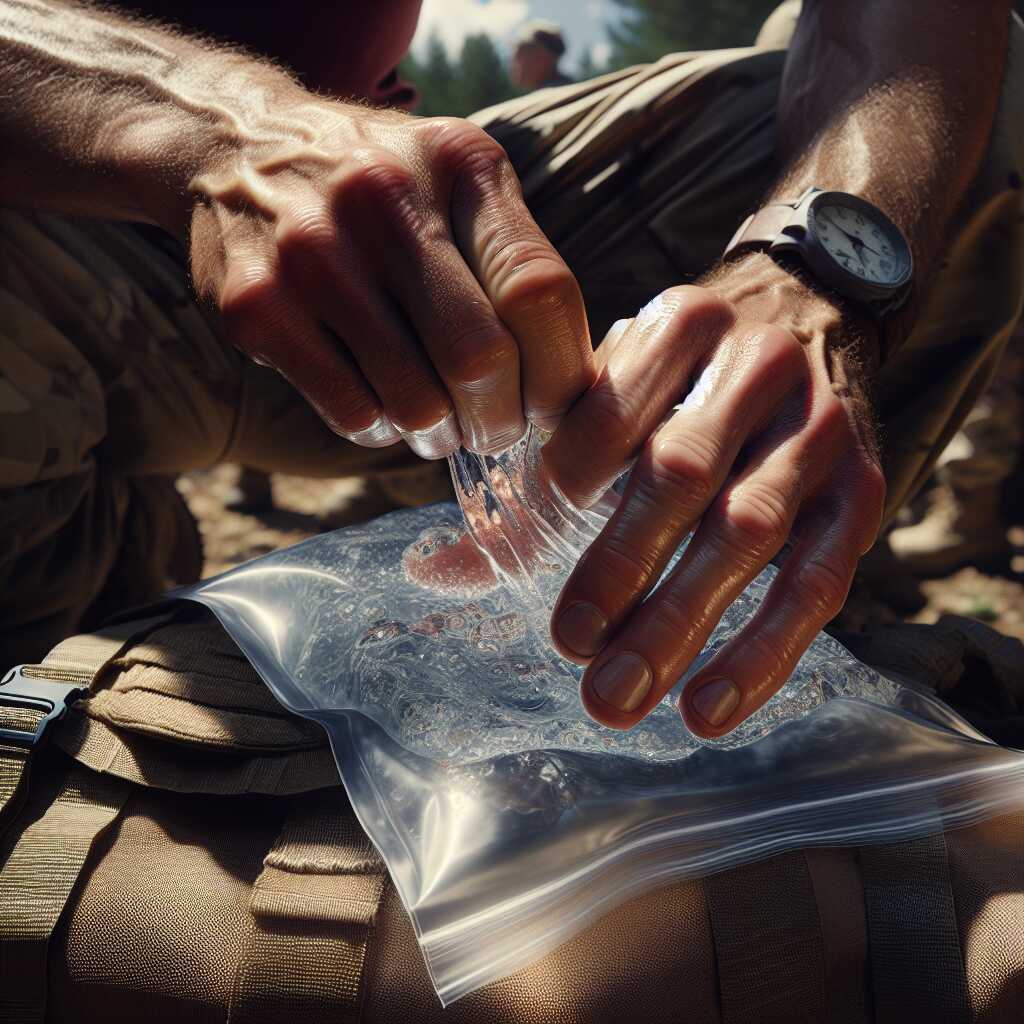
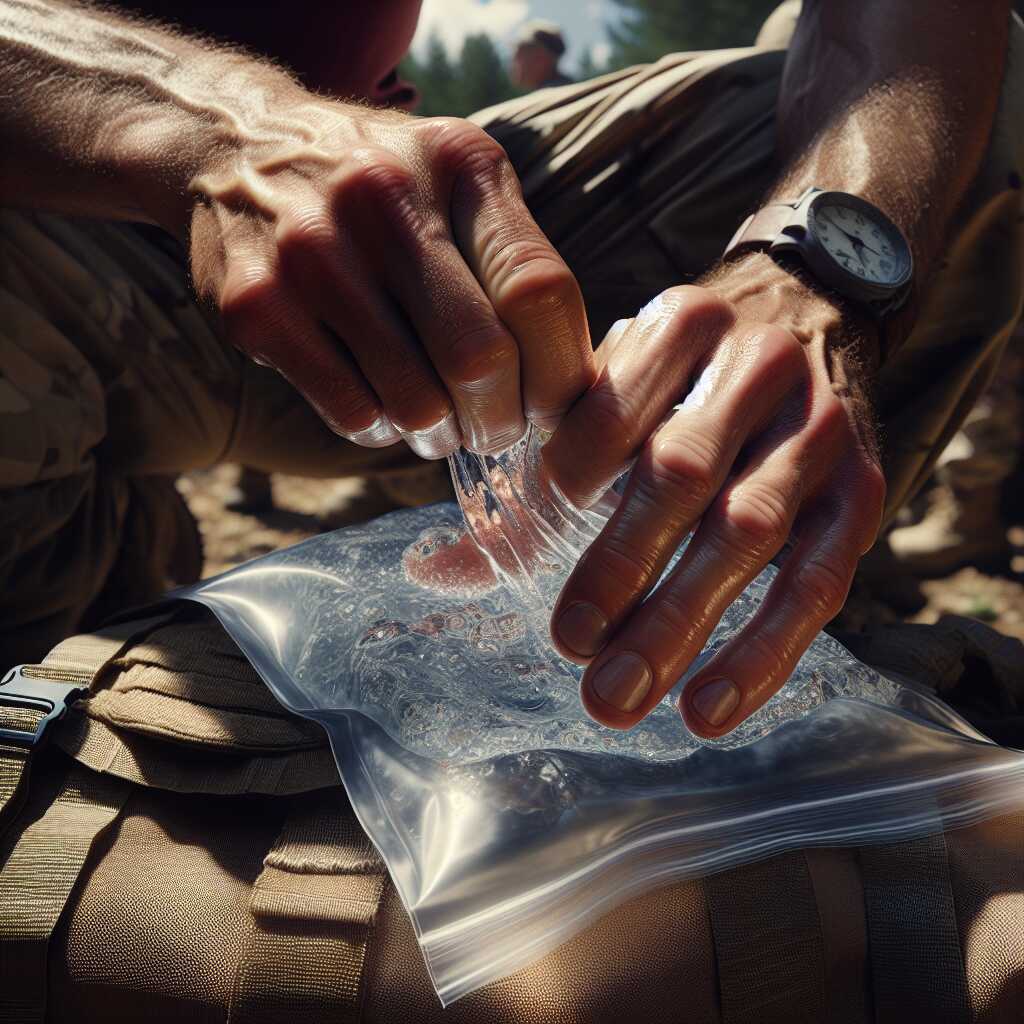
- Fill freezer bag leaving headspace (2-5 minutes): Pour boiled, cooled water into the bag, filling to no more than 90 to leave headspace for expansion if freezing. Instruction: Use double bagging for puncture protection. Result: Proper fill prevents rupture when freezing and allows easy sealing.
- Seal tightly and remove air (1 minute): Expel excess air (dont vacuum seal thin bags) and close the zipper fully. Instruction: Press seals firmly along the entire closure; consider placing in a second bag. Result: Airreduced, sealed container minimizes airborne contamination.
- Label with date/time and store cold (1 minute): Mark the bag with the boil date and time. Instruction: Place bags flat in the freezer for longterm storage or in the refrigerator if using within days. Result: Clear tracking of safety window; frozen bags remain microbiologically stable until thawed.
- Use, thaw, and discard safely (varies): Thaw in the refrigerator or under cold running water; use once thawed and consume within 24 hours; discard singleuse bags after use. Instruction: Do not reboil water in the plastic bag; transfer to a clean container to warm. Result: Minimizes repeated contamination single thaw/use reduces risk.
- Know the limits and when not to use bags (immediate): Do not store very hot (>60C) water directly in thin plastic bags, do not use damaged or nonfoodgrade bags, and do not rely on freezer bags for medicalgrade sterile fluids. Instruction: For longterm emergency caches, prefer rigid, foodgrade jugs or commercially sealed bottles/canisters. Result: Avoids chemical leaching, puncture failures, and improper sterile expectations.
FAQ
Can I store boiled water in freezer bags during contamination events?
You can store boiled water in freezer bags if you follow specific steps for cooling, sanitizing, and sealing to preserve reliability and safety. Boil water for 1 minute at sea level or 3 minutes above 2,000 meters, cool for 30 to 60 minutes, pour into food-grade freezer bags rated for -18C, leave 1 to 2 inches headspace, seal and freeze; heavy-duty 1-gallon bags cost about $0.25 to $1.00 each and offer good efficiency. Predicament Measures cannot guarantee sterility after storage because recontamination can occur during handling or if bags puncture or thaw unexpectedly.
How do boiling times and altitude affect safety before storage?
Boiling for 1 minute at sea level or for 3 minutes above 2,000 meters provides proven kill rates for most waterborne microbes and improves reliability for later storage. These times form the accepted test standard used in emergency guidance and help enhance safety during contamination events, but Predicament Measures cannot ensure elimination of all chemical contaminants. Follow testing advice and use review data from public health agencies before relying on boiled water for long-term use.
How long can boiled water remain safe in a freezer bag?
Frozen boiled water can remain microbiologically stable for months because freezing halts microbial growth and preserves quality at -18C, but freezing does not sterilize. For taste and quality plan for use within 6 to 12 months, store at consistent freezer temperature, and expect minimal change in performance for storage periods under 12 months; cheap gallon bags cost $0.20 to $0.80 while reusable silicone bags cost $5 to $15 and offer durable features. Predicament Measures cannot promise safety beyond unpredictable events like repeated thawing, punctures, or plastic degradation that can allow contamination.
Is frozen boiled water still safe after a partial thaw?
If a bag thaws but stays cold and ice crystals remain, you can re-freeze or reboil the water by bringing it to a rolling boil for 1 minute or 3 minutes above 2,000 meters to restore microbial safety. Tests show reboiling restores microbial kill but does not repair physical damage to the bag, and Predicament Measures cannot validate home reheating methods or prevent chemical leaching if the bag has degraded. Inspect bags for leaks and odors before reuse and run a microbiological test if contamination is suspected.
What type of freezer bag is best for storing sterile water after boiling?
Choose food-grade, freezer-rated polyethylene bags with thickness of 3 to 6 mil for reliable puncture resistance and durability when storing boiled water. Use zipper or heat-seal heavy-duty 1-quart or 1-gallon bags that display a freezer-safe icon; typical cost ranges are $0.10 to $1.00 per bag and durable reusable silicone bags cost $5 to $15 and deliver better long-term value in reviews. Predicament Measures cannot endorse a single brand or guarantee that any bag will not fail under sharp pressure, rough handling, or rodent damage.
What bag markings and features should I look for?
Look for markings that show food-grade material, freezer-safe temperature rating (-20C or lower), BPA-free, and a thickness rating in mils to ensure good performance and reliability. Features such as double-zip seals, gusseted bottoms, and clear measurement marks deliver better handling and help with testing volumes, but Predicament Measures cannot check manufacturing quality or confirm claims for every product on the market. Read user reviews and product comparison data to choose options that match your budget and storage needs.
How to cool and transfer boiled water into freezer bags safely?
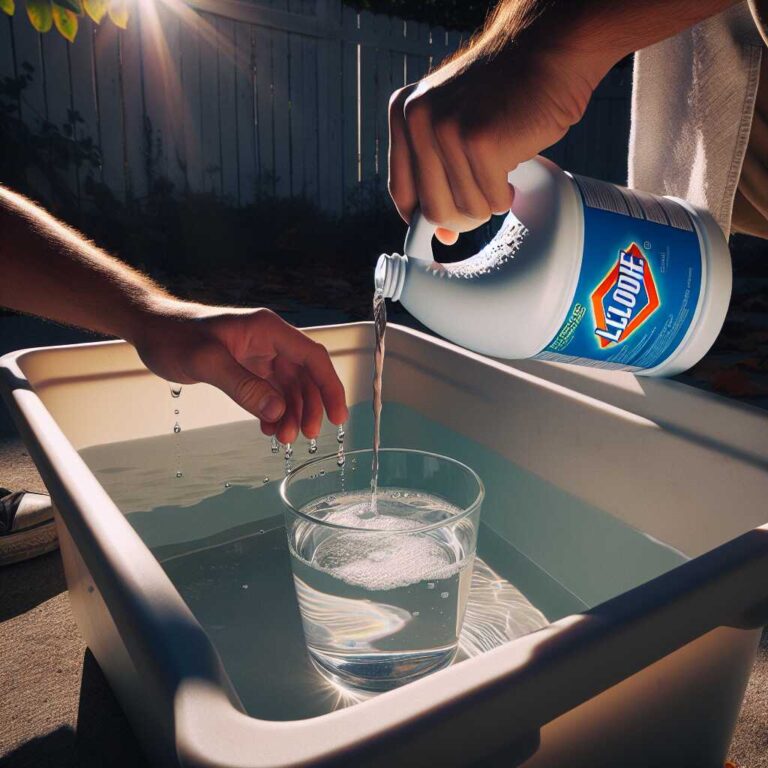
Cool boiled water to about 50C to 60C in 30 to 60 minutes before transfer to avoid melting bags and to reduce condensation that can trap contaminants; sanitize transfer tools with a bleach solution of 1 teaspoon household bleach per quart of water and a rinsing step. Use a clean funnel, fill bags to leave 1 to 2 inches headspace, expel air, seal, label with date, and freeze; a plastic funnel costs about $2 to $10 and speeds the process and improves efficiency. Predicament Measures cannot supervise your handling, so users must follow precise cleaning, pouring, and sealing steps to limit contamination risks.
Can I pour boiling water directly into freezer bags?
Do not pour boiling water directly into thin freezer bags because heat can melt or weaken the plastic and cause leaks; allow water to cool to 50C to 60C first to avoid damage. High-temperature tolerant silicone bags can handle hotter pours up to 200C depending on manufacturer specifications, but Predicament Measures cannot confirm tolerance for every reusable bag, so check the maker’s instructions and test with small volumes first.
What testing and checks should I do before and after freezing to ensure water remains sterile?
Perform visual checks for clarity, smell tests for off-odors, leak checks, and use home microbial test kits or lab analysis when contamination is suspected to confirm safety. Home test kits for bacteria cost about $15 to $100 and deliver results in 24 to 48 hours; lab culture testing costs $30 to $200 and provides more reliable data and proven results for coliforms and E. coli. Predicament Measures cannot perform tests from here and cannot certify outcomes from home kits, so use accredited labs for definitive testing where health risks exist.
What signs indicate I should discard stored water?
Discard water if the bag shows punctures or leaks, if the water has a cloudy appearance, or if it has an unusual taste or smell after thawing; these signs indicate contamination or degradation. If a freezer thawed for more than 24 hours and items melted, assume stored water may be compromised and boil or test before use, and Predicament Measures cannot assure safety if you ignore these checks. Replace bags that bulge, show discoloration, or feel sticky, and rotate supplies every 6 to 12 months for quality control.
How does freezing affect the safety and quality of boiled water in plastic bags?
Freezing preserves microbiological safety by stopping growth but does not sterilize or remove chemical contaminants, and it causes water to expand about 9 in volume which increases rupture risk if overfilled. Use freezer-safe materials rated for -18C to limit plastic breakdown and consider rigid HDPE jugs for long-term chemical stability; rigid 1-gallon jugs cost about $2 to $10 and provide sturdy storage compared to bags. Predicament Measures cannot promise zero chemical transfer or absolute sterility because those outcomes depend on material composition, storage conditions, and initial water quality.
What are the pros and cons of freezer bags versus rigid containers for sterile water storage?
Freezer bags offer low cost, space-efficient packing, fast freezing times, and easy portioning while rigid containers offer better puncture resistance, easier sanitizing, and longer-term durability. A fair comparison shows bags cost about $0.20 to $1.00 each and jugs cost $2 to $10 each, so choose based on how long you plan to store water and on testing and review of materials for safety. Predicament Measures cannot choose for you; assess your own storage timeframes, testing capacity, and handling experience to select the best option for your emergency plan.
Can I store boiled water in freezer bags during a contamination event?
Yes, you can store boiled water in food-grade freezer bags during a contamination event when you follow proper steps that focus on reliability, testing, and safe handling to reduce contamination risk; boiling for 1 minute at sea level and 3 minutes above 2,000 meters inactivates pathogens with a very high effectiveness (estimated greater than 99). Boiled water in quart (about 950 mL) or gallon (3.8 L) freezer bags costs about $0.10-$0.60 per bag depending on size and brand, and you should cool and store or freeze the water within 1-2 hours after boiling to enhance safety and efficiency. This guidance helps emergency planning and Predicament Measures provides practical review and comparison tips, but this article cannot guarantee absolute sterility, prevent chemical leaching from plastic, or replace laboratory testing for toxic contaminants.
What steps make stored boiled water reliable in freezer bags?
Use new, heavy-duty, food-grade freezer bags, pour cooled boiled water using a sanitized ladle, then double-bag and seal to enhance durability and reduce leaks; label each bag with date and boil time for rotation every 6-12 months. Carry a clean thermometer and test strips costing $10-$40 to confirm cooling and basic water chemistry, which helps with basic testing but cannot replace expert lab analysis for heavy metals or complex toxins.
Which freezer bag types and materials are best for storing boiled water safely?
Choose heavy-duty, food-grade polyethylene freezer bags labeled “freezer safe” and “food contact safe” because these bags provide better puncture resistance and durability and typically handle freezer temperatures to -40F and short exposures to warm liquids; expect boxes of 20-50 bags to cost $5-$15. Look for BPA-free markings and thicker walls (about 2.0-3.0 mil for quart bags and 3.0-4.0 mil for gallon bags) which improve reliability, and review product testing data and user reviews for durability and performance. This selection approach offers a practical comparison for emergency supplies but cannot guarantee zero migration of chemicals or sterility after hot filling.
Are store-brand freezer bags good enough or should I buy specialty bags?
Store-brand heavy-duty freezer bags often deliver good performance and cost efficiency of $0.10-$0.30 per quart bag, while premium or specialty hot-fill rated bags may cost $0.30-$0.60 each and offer better features and proven durability. Use experience-based reviews and basic product data to select bags that handle cold and near-warm fills, which helps improve long-term reliability but does not replace professional testing for chemical compatibility with very hot water.
How many bags and what sizes should I stock for a 3-day family emergency?
Plan 1 gallon (3.8 L) per person per day as an essential emergency supply, so a 3-day supply equals 3 gallons (11.4 L) per person, which translates to three 1-gallon bags or about 12 quart (950 mL) bags per person; expect a 3-person household to need roughly 9 gallons (34 L) and 9 one-gallon bags. Stocking costs vary by bag size and box quantity, with estimated total bag costs of $3-$18 per person based on current 2025 retail prices for common freezer bags, and rotation at 6-12 month intervals helps maintain quality. This planning approach helps ensure readiness and practical efficiency but cannot account for extreme freezer failures, repeated thaw cycles, or all household usage patterns.
How should I store and freeze the bags to avoid damage?
Lay sealed bags flat on a tray and freeze for 6-12 hours to create stable, flat blocks that handle about 3-6 months of freezer movement with minimal puncture risk; double-bag and place the flat pouches in a rigid plastic bin or on a shelf to prevent crushing. Periodically review supply and rotate every 6-12 months to maintain quality, which helps with long-term reliability but cannot prevent accidental punctures or appliance outages.
How to boil, cool, and transfer water into freezer bags to reduce contamination
Boil water according to CDC guidance (1 minute at sea level, 3 minutes above 2,000 m) to inactivate pathogens, then allow water to cool to below about 120-150F (49-65C) for safe handling and to reduce the chance of bag deformation before pouring into bags using a sanitized ladle or funnel. Fill bags to leave a 1-2 inch (2.5-5 cm) headspace for expansion when freezing, remove excess air, and seal tightly, which helps enhance storage reliability and reduces leak risk; label each bag with the boil date and contents. These steps provide proven handling practices and help maintain quality but do not ensure complete sterility or rule out chemical transfer from plastic when hot water contacts the bag material.
What equipment and timing help ensure safe transfers?
Use a clean metal or plastic ladle, a calibrated kitchen thermometer ($5-$20), and a sanitized funnel to pour water within 30-60 minutes after cooling to the target temperature, which helps control the transfer process and improves success rates. Allow 4-12 hours for the bags to freeze solid in a standard home freezer and store frozen bags on a flat surface, noting that home tools and practices assist safety but cannot replace laboratory verification.
How long can I store boiled water in freezer bags and what are freeze versus refrigerate options?
Store unopened, boiled water in sealed, clean freezer bags frozen for long-term emergency use and rotate supplies every 6-12 months for best practice based on emergency management guidance; frozen water in intact bags remains usable beyond months while maintaining reliable taste and basic safety. Thawed water used for drinking should be consumed within 24-48 hours if kept refrigerated, and opened or questionable bags should be discarded, which helps reduce risk but cannot guarantee protection from all contaminants after thawing and handling. These timelines provide sensible limits and help improve planning but do not replace professional testing for non-microbial contaminants or guarantee indefinite shelf life.
What to do when freezer power fails for hours or days?
If freezer power fails for less than 24 hours, keep the freezer door closed to maintain cold; if power loss extends beyond 24 hours, transfer sealed bags to an alternative freezer, cooler with ice, or use within 24 hours if refrigeration is available. Monitor thawed bags for leaks, odd color, or off-odors before use and treat or reboil water when in doubt, which helps maintain safety but cannot fully mitigate the risk of repeated thaw-refreeze cycles or compromised bag integrity.
What risks, safety limits, and best practices ensure reliable emergency water storage in freezer bags?
Main risks include bag puncture, freezer failure, chemical migration from plastic during hot fills, and contamination during transfer, which makes double-bagging, using thicker bags (3-4 mil), storing on rigid trays, and rotating supplies every 6-12 months essential practices that provide better durability and proven user results. Keep an emergency kit that includes extra bags, a thermometer, a funnel, basic water test strips ($10-$40), and a record sheet for dates and test results, which helps with testing and review of supply readiness; expect basic home methods to provide very good short-term reliability but not full laboratory-grade sterility. Predicament Measures offers educational reviews and comparison guides to help select materials and set up a tested storage plan, but this article cannot conduct lab testing, certify products, or guarantee elimination of non-microbial contaminants.
Where to get expert testing and more durable storage options?
Send water samples to an accredited lab for full testing of bacteria, nitrates, heavy metals, and VOCs; standard lab testing costs range from $20-$150 and typically returns results in 24-72 hours, which provides expert data and proven results for serious contamination concerns. Consider durable emergency containers such as 5-gallon food-grade water jugs or sealed water bricks for long-term use, which deliver better puncture resistance and ease of handling, and use Predicament Measures resources to compare supplies and reviews, while noting that lab testing and commercial containers involve extra cost and logistics and cannot be replaced by home freezer bag methods for all hazards.
Related posts:
 Unwaxed Dental Floss: High-Strength Fishing Line Alternative for Wilderness Food Procurement
 Petroleum Jelly Cotton Balls: Five-Minute Burn Time Fire Starters for Damp Conditions
 550 Paracord Shoelaces: Hidden Survival Rope for Emergency Rappelling Situations
 White Cotton T-Shirts: Char Cloth Creation for Flint and Steel Fire Starting
 Used Coffee Grounds: Human Scent Masking for Wildlife Avoidance in Bear Country
 Maxi Pads: Large Absorbent Bandages for Major Trauma Wound Coverage
 Rubber Erasers: Emergency Ear Protection Against Dangerous Noise Levels
 Acrylic Yarn: Emergency Wound Sutures for Gaping Lacerations